When Street Carts Go Digital: Small Vendors Syncing POS Hardware with Subscription Tools
Casey Zimmermann · May 16, 2026
When Street Carts Go Digital: Small Vendors Syncing POS Hardware with Subscription Tools
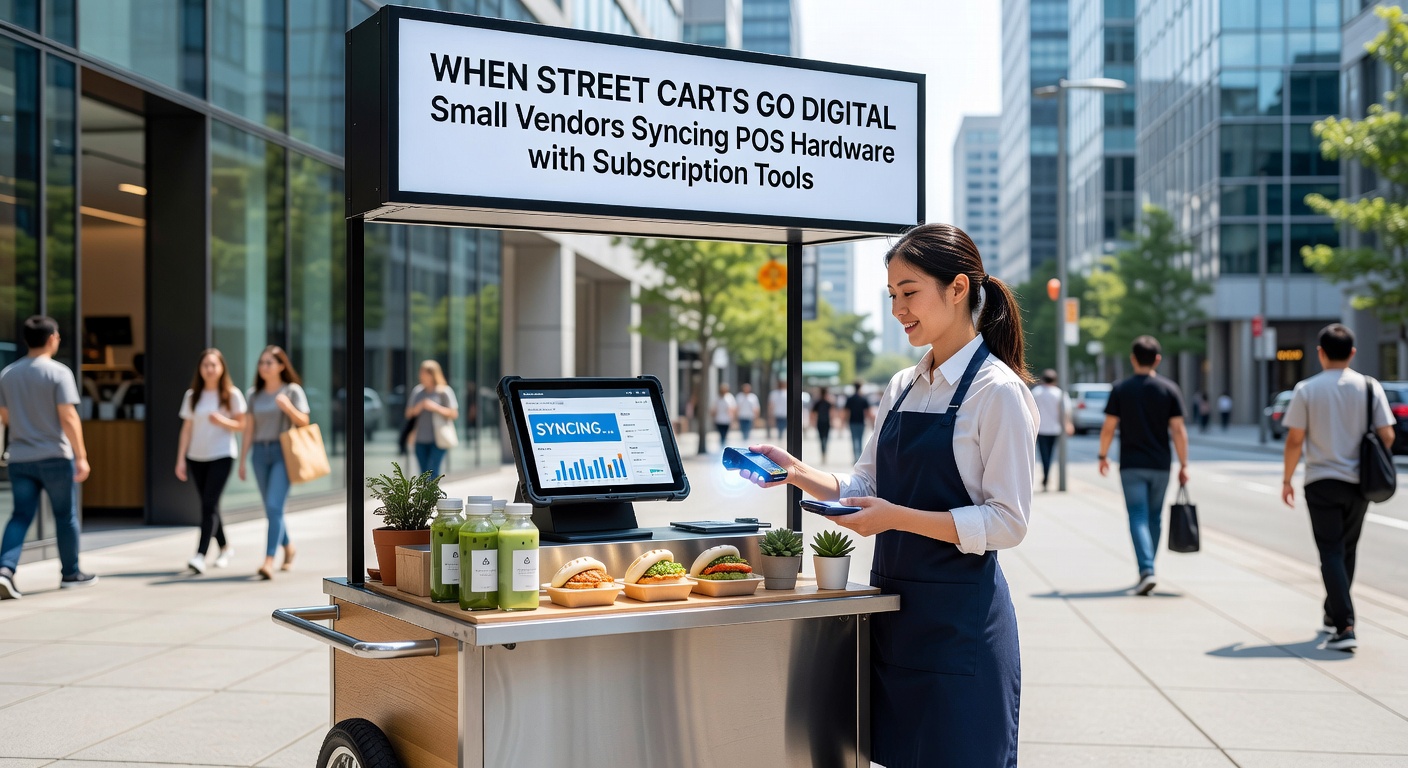
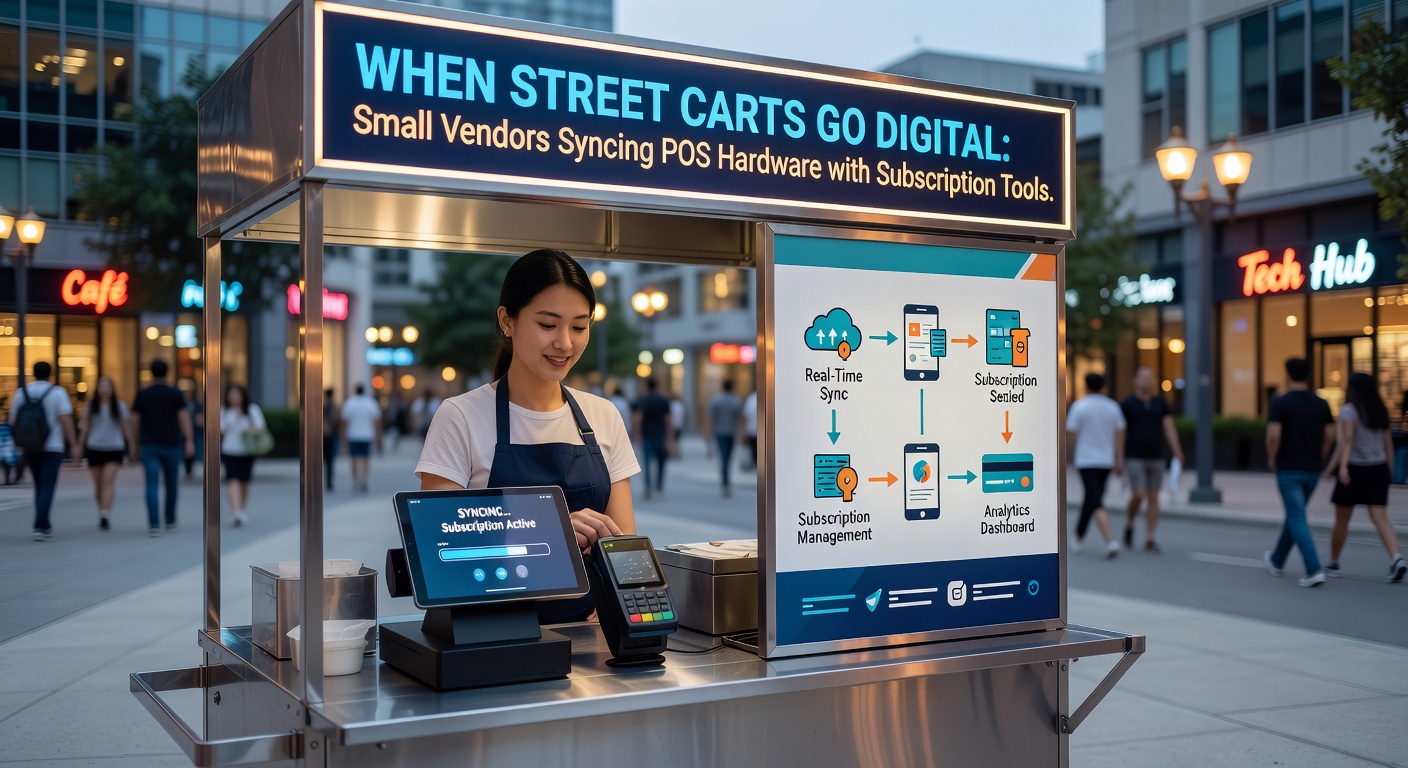
Street vendors and food cart operators have begun integrating portable point-of-sale hardware with subscription management platforms, shifting from cash-only models toward connected systems that handle both one-time sales and recurring customer commitments. These setups allow small operators to accept card payments on location while automatically enrolling patrons in ongoing services such as weekly produce boxes or monthly beverage deliveries. Hardware devices from established providers sync in real time with cloud dashboards, pulling inventory data and updating customer profiles without requiring separate manual entry. Data from the U.S. Small Business Administration shows that micro-businesses with fewer than five employees increased their adoption of mobile payment terminals by 28 percent between 2023 and 2025, with street-level food vendors accounting for a growing share of that growth. The same figures reveal that vendors who added subscription features saw average monthly revenue stability improve by roughly 15 percent compared with those operating on daily cash cycles alone. Integration typically occurs through APIs that link compact card readers to billing engines, enabling automatic renewals and prorated adjustments when customers pause or modify plans.Hardware and Software Connections in Practice
Portable terminals equipped with cellular connectivity or Bluetooth pairing transmit transaction details directly to subscription software running on vendor smartphones or tablets. Once a customer scans a QR code or provides an email address at the cart, the system creates a profile that stores payment credentials and delivery preferences. This linkage eliminates the need for printed loyalty cards or handwritten order lists, since the platform tracks usage patterns and triggers reminders for upcoming charges. One vendor operating in the Pacific Northwest documented a transition in which a single handheld reader replaced both a basic cash box and a paper notebook; within three months the operator reported that recurring orders accounted for nearly 40 percent of total volume. Observers note that such transitions often begin with basic inventory modules before expanding to full subscription tiers, allowing vendors to test pricing structures without committing large upfront capital. The process relies on standardized payment protocols that comply with data security requirements, ensuring card information never resides on the local device for extended periods.Market Trends Extending into 2026
By May 2026 industry analysts project continued expansion of these hybrid systems among urban and suburban street vendors, driven by lower hardware costs and broader availability of cellular networks in public spaces. Research from the European Commission on digital single market initiatives indicates that small food service businesses across member states increased digital transaction volumes by 22 percent year-over-year through late 2025, with subscription add-ons contributing measurably to that rise. Similar patterns appear in reports covering Australian markets, where local councils have documented higher compliance rates among vendors using traceable digital records rather than cash ledgers. Vendors gain access to automated tax calculations and sales reporting features that feed directly into accounting software, reducing end-of-month reconciliation time. Subscription tools also enable targeted promotions, such as discounted renewals for frequent buyers, which data shows can lift retention without requiring additional marketing spend. The combination of real-time hardware and backend subscription logic creates a closed loop where each sale updates both immediate stock counts and future revenue forecasts.