Vendors on the Move: Blending Mobile Payments and Payment APIs for Secure Recurring Transactions in Dynamic Markets
Casey Zimmermann · May 19, 2026
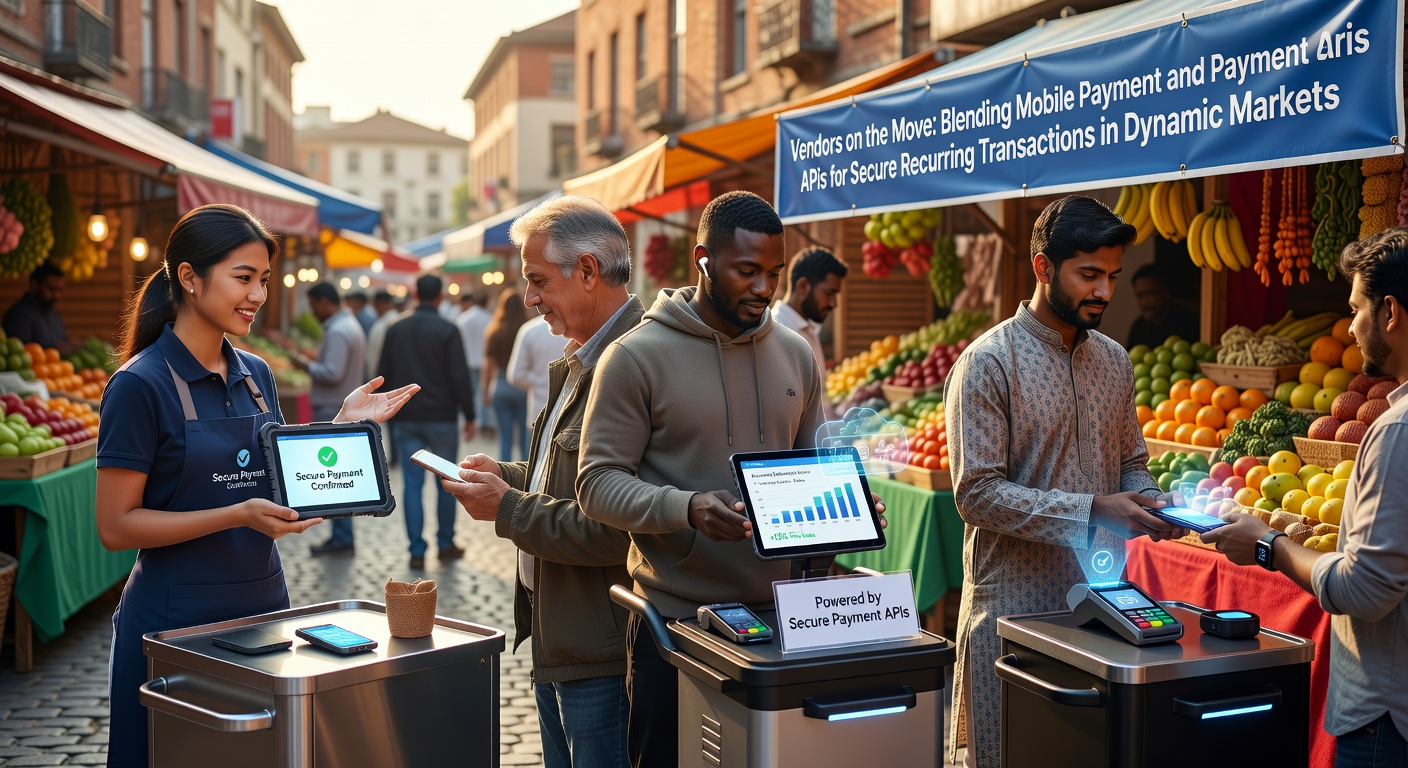
Vendors on the Move: Blending Mobile Payments and Payment APIs for Secure Recurring Transactions in Dynamic Markets
Street vendors and small operators across dynamic markets continue integrating mobile payment tools with payment APIs, and this combination supports secure recurring transactions while adapting to shifting consumer habits and regulatory requirements. Data from recent industry analyses shows mobile transaction volumes rising steadily through 2025, with projections extending into May 2026 as more regions update digital commerce frameworks.
Merchants who operate food trucks, pop-up stalls, and service kiosks rely on smartphones and tablets to accept payments on location, yet recurring billing adds layers of complexity that demand reliable API connections for subscription renewals and scheduled charges. Research indicates that tokenization methods embedded in these APIs reduce exposure of card details during repeat processing cycles, while mobile wallets contribute additional layers of authentication through device-specific biometrics and one-time codes.
API Structures Supporting Mobile Recurring Flows
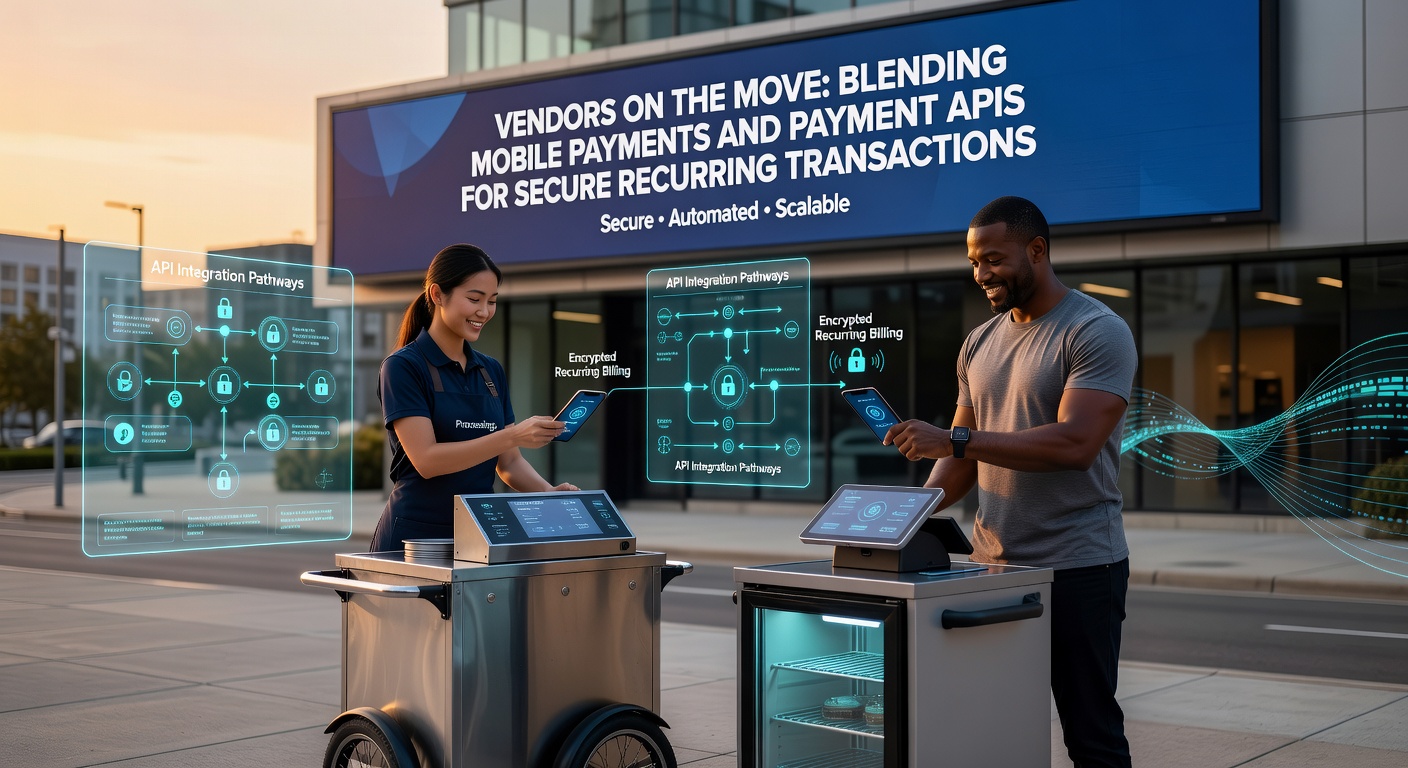
Payment APIs function as connectors between vendor devices and financial networks, allowing real-time authorization alongside scheduled pulls for recurring amounts. Observers note that vendors configure these APIs to handle variable pricing models common in dynamic markets, where service fees or product bundles change based on demand or inventory levels. Integration often occurs through SDKs that embed directly into existing point-of-sale applications, enabling seamless switches between one-time sales and ongoing customer agreements.
Take operators in urban food scenes who noticed patterns in customer preferences for weekly meal subscriptions; they linked mobile terminals to API endpoints that automatically trigger charges on designated dates while logging each interaction for compliance records. Such setups draw from standards outlined in reports by the Bank for International Settlements, which detail cross-border consistency in API security protocols.
Security Measures in Mobile and API Combinations
Secure recurring transactions depend on encryption during data transmission plus ongoing monitoring for anomalies in transaction patterns. Vendors who adopt these blended systems implement multi-factor verification at the mobile interface, and APIs enforce additional checks such as velocity limits and geographic restrictions before approving repeat payments. Figures from regulatory updates in Canada and Australia reveal declining fraud rates among merchants using tokenized mobile recurring setups compared to legacy card-on-file methods.
Dynamic markets introduce variables like temporary network disruptions at outdoor venues, yet modern API designs incorporate offline caching that syncs once connectivity returns, preserving transaction integrity without manual intervention. Those who studied adoption trends through 2025 observed that vendors prioritize solutions offering end-to-end visibility into each recurring cycle, including failed attempt notifications and automatic retry logic governed by predefined rules.
Market Adaptations and Regulatory Context by Mid-2026
As preparations advance for May 2026 regulatory shifts in several jurisdictions, vendors adjust their mobile-API configurations to align with updated data protection mandates and open-banking requirements. European frameworks emphasize consumer consent mechanisms for recurring authorizations, while similar guidelines in Asia-Pacific regions focus on interoperability between different mobile carriers and financial institutions. Research from academic sources tracking these transitions shows vendors gaining operational flexibility when APIs support modular compliance features that update without full system overhauls.
Examples surface in seasonal markets where vendors handle both daily sales and membership programs; they route mobile captures through APIs that segment data flows according to transaction type, ensuring recurring elements meet stricter audit trails. This approach avoids overlap with static hardware dependencies and instead leverages cloud-based orchestration that scales with vendor mobility.
Implementation Patterns Among Mobile Operators
Practical deployments often start wth testing API endpoints in controlled environments before full rollout to field devices. Vendors frequently begin by mapping customer consent flows on mobile interfaces, then connect those flows to backend recurring engines that manage billing calendars and proration adjustments. Data shows higher retention when these systems deliver transparent receipt options via SMS or app notifications immediately after each scheduled charge.
And patterns emerge where smaller operators collaborate with regional processors to customize API parameters for local currencies and tax calculations, maintaining accuracy across fluctuating market conditions without constant manual recalibration.
Conclusion
Blending mobile payments with payment APIs equips vendors operating in dynamic markets to manage secure recurring transactions through standardized yet adaptable technical layers. Evidence from ongoing studies and regulatory documents continues to track adoption metrics, highlighting measurable improvements in transaction reliability and data protection as systems evolve toward May 2026 benchmarks. Those monitoring the space report sustained interest in configurations that prioritize both mobility and automated security controls.