Vendor Support Networks and Their Role in Aligning Onboarding with Encryption Benchmarks for Recurring Mobile Charge Operations
Yves Brooks · Jun 18, 2026
Vendor Support Networks and Their Role in Aligning Onboarding with Encryption Benchmarks for Recurring Mobile Charge Operations
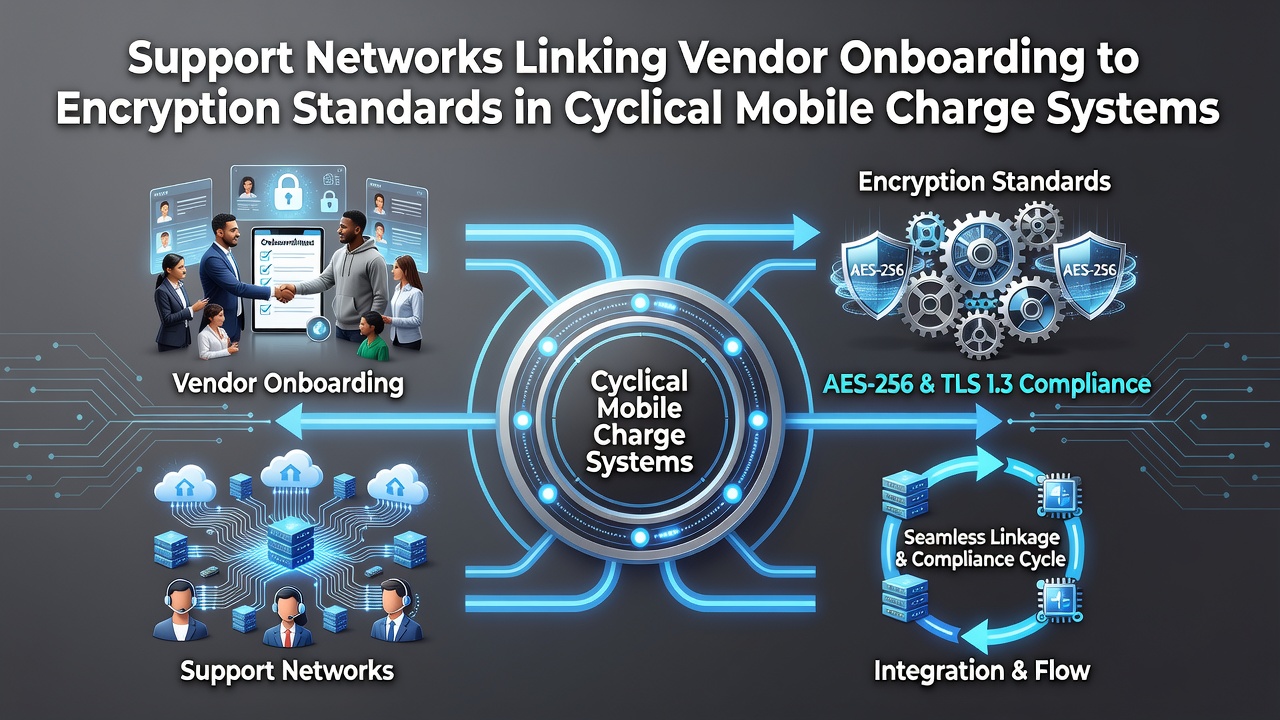
Support networks connect vendor onboarding procedures directly to encryption standards that govern cyclical mobile charge systems, and these connections help maintain consistent data protection across recurring transaction flows. Research from industry reports indicates that mobile point-of-sale devices handling subscription-based payments require structured onboarding steps that incorporate cryptographic protocols from the initial setup phase onward. Observers note that without coordinated assistance channels, vendors often encounter delays when implementing standards such as AES-256 for data at rest and TLS 1.3 for data in transit during periodic billing cycles.
Those who manage vendor integration programs report that support teams guide merchants through verification processes that verify encryption key management practices before any recurring charge authorization occurs. Data shows that in June 2026 several regional payment processors updated their onboarding checklists to include mandatory encryption audits for mobile terminals used in subscription models, and this adjustment aligned with broader shifts in compliance expectations across multiple markets. Experts have observed that such updates reduce instances where vendors activate devices without proper key rotation schedules, which can expose recurring payment streams to interception risks.
Core Elements of Onboarding Support Tied to Cryptographic Requirements
Vendor assistance programs typically begin with device registration that links each mobile terminal to specific encryption certificates, and this step ensures that cyclical charges transmit only through authenticated channels. Studies reveal that support staff walk merchants through the configuration of secure element chips embedded in portable readers, which store keys used for both initial authorization and subsequent recurring deductions. But here's the thing: many small operators discover during these sessions that failing to map encryption protocols to their billing frequency leads to transaction declines once the first renewal cycle triggers.
Support networks also provide documentation that outlines how to integrate payment APIs with existing mobile hardware while preserving end-to-end encryption, and this guidance covers everything from tokenization of cardholder data to handling of dynamic keys during subscription renewals. Research indicates that vendors who complete these guided sessions experience fewer compliance flags when processors review authorization routes for recurring transactions. What's interesting is that organizations in different regions adopt slightly varied approaches, with Canadian frameworks emphasizing key escrow procedures and Australian guidelines focusing on real-time monitoring of encryption integrity during mobile charge cycles.
Encryption Protocol Integration During Vendor Training Cycles
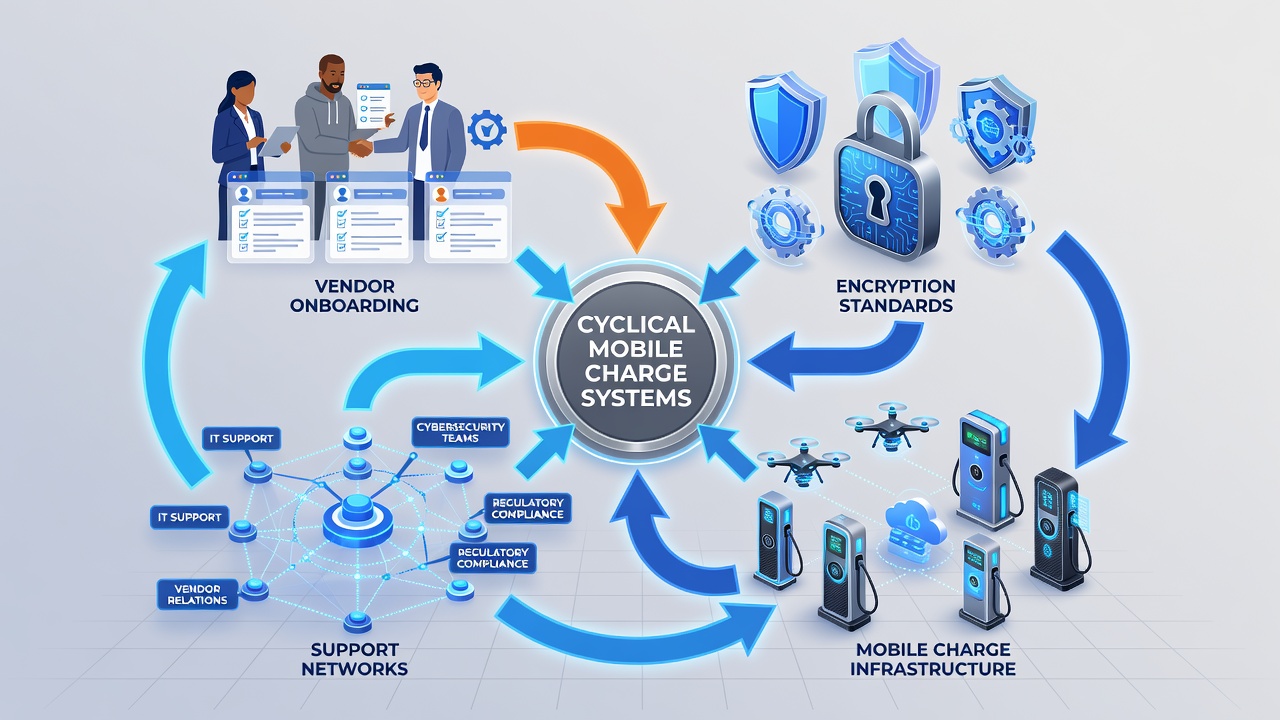
Training modules delivered through support networks demonstrate how to apply encryption standards across the full lifecycle of a cyclical mobile charge, starting with the first customer enrollment and continuing through each renewal. Those who've examined implementation data note that vendors receive step-by-step instructions on rotating encryption keys at intervals that match their subscription periods, which prevents stale keys from remaining active during extended billing sequences. According to the PCI Security Standards Council, proper key rotation forms a foundational requirement that support teams reinforce during onboarding to protect recurring revenue streams processed on portable devices.
Support personnel further assist vendors in configuring secure communication pathways between mobile terminals and backend gateways, and these pathways rely on certificate pinning techniques that block man-in-the-middle attempts during periodic charge authorizations. Evidence suggests that merchants who follow the prescribed onboarding sequence maintain higher rates of successful recurring transactions because encryption mismatches get identified and resolved before live operations begin. And yet some vendors initially overlook the connection between onboarding checklists and ongoing encryption maintenance, which support networks address through follow-up resources delivered after initial device activation.
Regional Variations in Support Delivery for Encryption Compliance
Assistance frameworks differ by jurisdiction yet consistently tie vendor onboarding milestones to encryption verification checkpoints for mobile cyclical systems. European operators often reference guidelines from the European Data Protection Board that require documented encryption impact assessments during merchant registration, while North American programs focus on mapping support resources to specific PCI DSS requirements for recurring payment environments. Observers note that these regional approaches converge on the principle that encryption standards must be embedded in onboarding rather than treated as a later add-on.
Support networks also maintain knowledge bases that detail common encryption failures encountered by mobile vendors handling subscription charges, and these resources help new operators avoid repeating documented issues such as improper initialization vectors in AES implementations. Research from academic studies on payment security shows that structured assistance during onboarding correlates with improved adherence to encryption benchmarks across diverse vendor types and geographic locations.
Conclusion
Support networks serve as the connective tissue between vendor onboarding activities and the encryption standards that secure cyclical mobile charge systems, and this linkage supports consistent protection of recurring transaction data from device activation through ongoing operations. Data indicates that continued refinement of these assistance pathways, particularly around key management and protocol verification, will remain central to vendor success as mobile subscription models expand in 2026 and beyond. Those who study these systems find that well-coordinated support reduces friction while reinforcing the cryptographic foundations required for secure recurring payments.