Vendor Ecosystem Dynamics: Synchronizing Support Channels with Fraud Algorithms in Mobile Subscription Processing
Casey Zimmermann · Jun 30, 2026
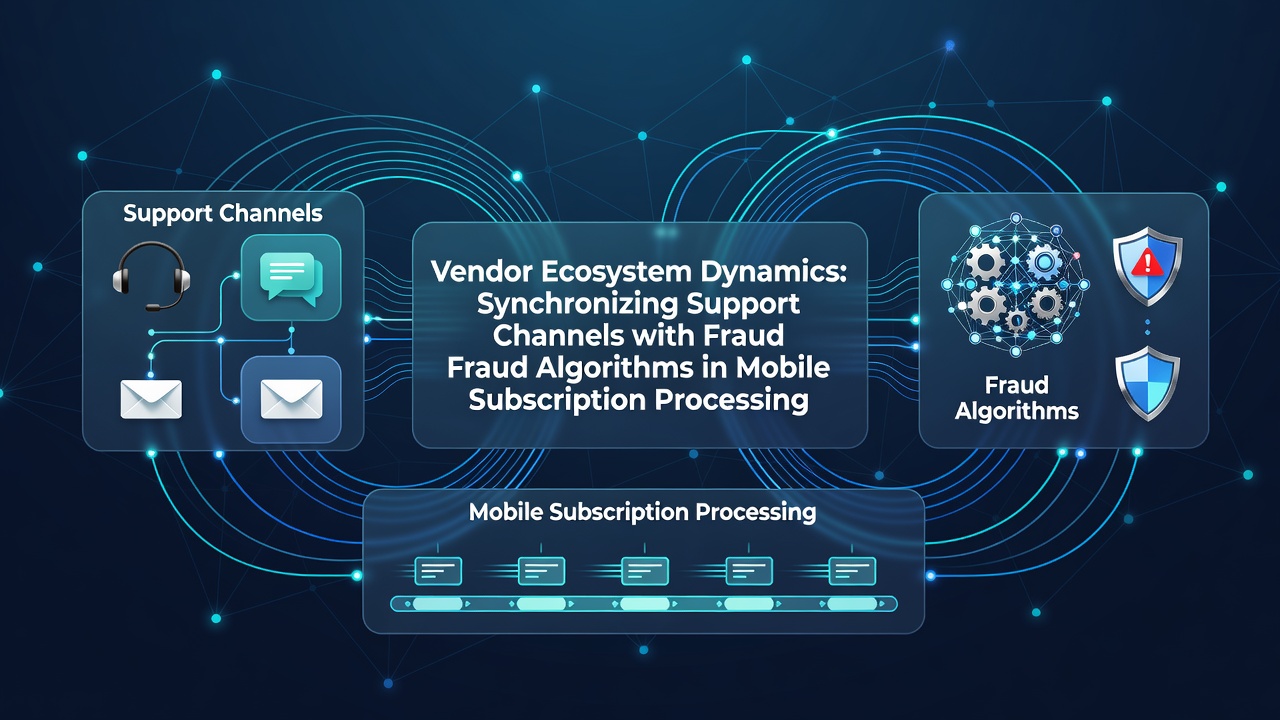
Vendor Ecosystem Dynamics: Synchronizing Support Channels with Fraud Algorithms in Mobile Subscription Processing
Modern vendor networks rely on tightly coordinated processes where support channels align directly with fraud detection systems to handle mobile subscription transactions, and this coordination has become essential as independent operators expand recurring payment models across portable terminals. Data from industry reports indicates that synchronized workflows reduce false positives in fraud alerts while maintaining compliance standards for recurring charges processed through mobile point-of-sale devices.
Core Components of Vendor Ecosystem Integration
Vendor ecosystems in mobile subscription processing combine hardware terminals, API gateways, and backend analytics platforms that exchange real-time signals between fraud algorithms and human support teams, whereas earlier setups treated these elements as separate silos. Researchers at payment technology institutes have documented how support agents now receive filtered outputs from machine learning models that flag anomalous subscription patterns such as unusual geographic shifts or velocity spikes in recurring deductions. This setup allows agents to intervene with vendors before disputes escalate into chargebacks, and the approach draws on data streams that update continuously throughout each billing cycle.
Support channels in these ecosystems include dedicated portals, live chat interfaces, and escalation hotlines that pull contextual information directly from fraud scoring engines, while vendors operating in dynamic markets like street-level services benefit from instant notifications when an algorithm detects potential account takeover attempts. Figures from regulatory filings show that operators who adopt these linked systems report fewer interruptions in subscription revenue streams compared with those relying on manual review queues alone.
Fraud Algorithm Mechanics in Mobile Environments
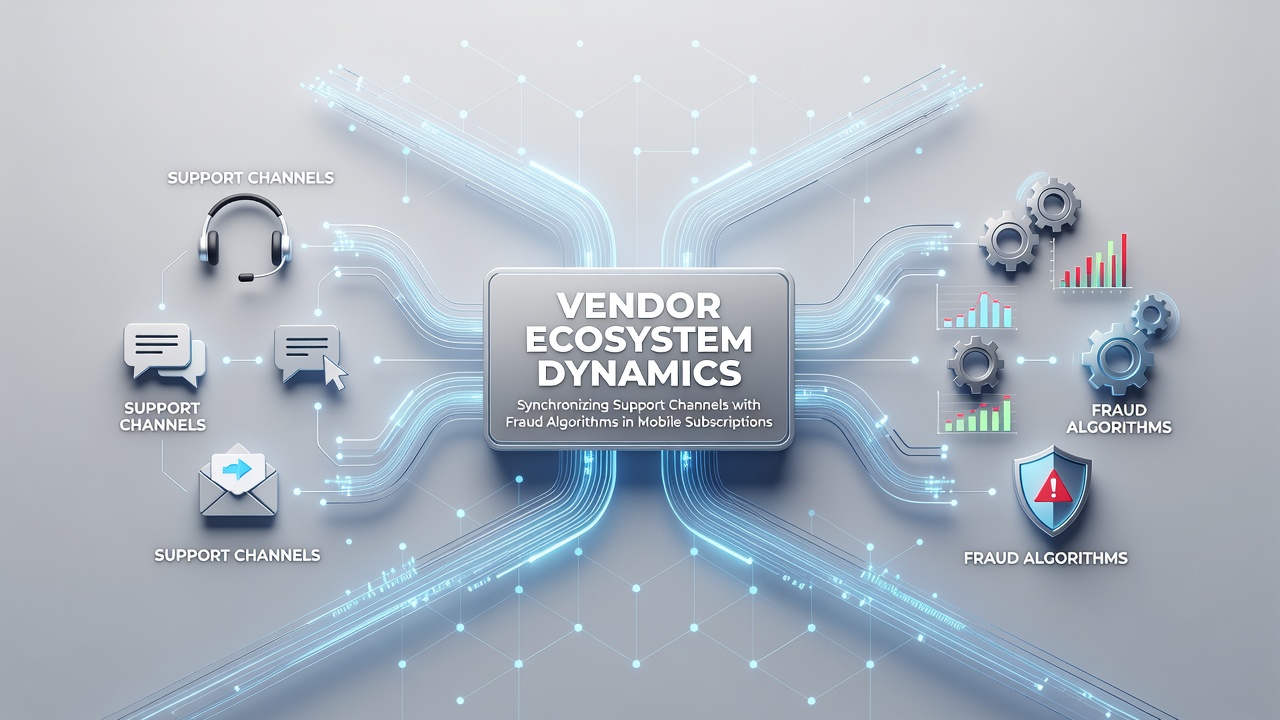
Fraud algorithms deployed for mobile subscriptions analyze transaction metadata including device fingerprints, IP geolocation consistency, and historical subscription tenure to assign risk scores before each recurring charge processes, and these models incorporate feedback loops that incorporate outcomes from prior support interventions. When an algorithm assigns elevated risk, the system routes the case to support personnel equipped with vendor-specific context such as typical transaction volumes and regional compliance requirements. Observers note that this routing happens within seconds, which keeps authorization pathways open for legitimate recurring payments while isolating suspicious activity for review.
Studies conducted across North American and European markets reveal that integration of behavioral analytics with support ticketing systems improves detection accuracy for subscription fraud by incorporating vendor feedback into model retraining cycles. In June 2026 several regional payment networks plan to roll out enhanced API endpoints that will allow support teams to push verified transaction data back into fraud engines even faster, tightening the synchronization further.
Regulatory Alignment and Data Protection Standards
Compliance frameworks such as those outlined by the European Central Bank and the Canadian Payments Association require that support channels handling fraud-related inquiries maintain audit trails that link every agent action to the originating algorithm decision, and these requirements extend to mobile subscription setups where terminals collect recurring payment data. Vendors must ensure that encryption protocols remain consistent across both the fraud detection layer and the support communication channels to prevent data leakage during escalation processes.
One documented case involved a network of local operators who synchronized their support dashboards with algorithm outputs to meet PCI guidelines for recurring mobile charges, resulting in streamlined onboarding for new subscription services. The process demonstrated how regulatory adherence and operational efficiency can advance together when support teams operate from a unified data view.
Practical Implementation Across Vendor Networks
Implementation typically begins with mapping authorization routes so that fraud signals reach support agents equipped with tools to verify vendor identity and transaction legitimacy without delaying settlement times, while subsequent phases involve training programs that teach agents to interpret algorithm outputs in the context of specific mobile subscription use cases. Industry organizations such as the Australian Payments Network have published guidelines that encourage this level of synchronization to support small vendors managing recurring revenue on portable hardware.
Take one regional processor that linked its merchant helpdesk directly to fraud scoring outputs, allowing agents to advise vendors on adjusting subscription parameters when patterns suggested elevated risk, and the result was measurable declines in declined legitimate transactions. Similar patterns appear in reports covering independent operators who adopted these integrated systems during the expansion of mobile subscription offerings.
Conclusion
Vendor ecosystem dynamics continue to evolve as support channels and fraud algorithms achieve tighter synchronization in mobile subscription processing, and this development supports both operational resilience and regulatory compliance across diverse markets. Ongoing refinements scheduled for 2026 will likely accelerate data exchange between these components, providing vendors with more responsive assistance while maintaining robust protections for recurring transactions.