Tokenized Systems Reshaping Community Supported Agriculture Programs
Casey Zimmermann · Jun 27, 2026
Tokenized Systems Reshaping Community Supported Agriculture Programs
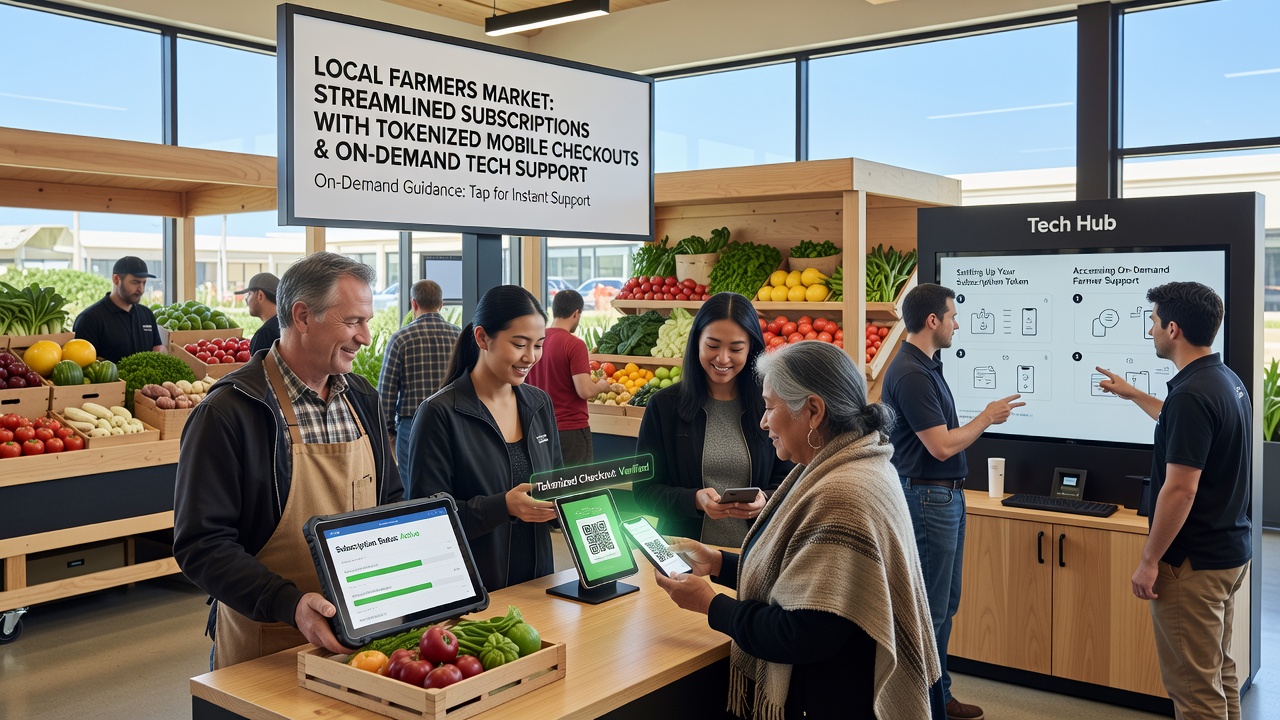
Local farmers markets across various regions have adopted tokenized mobile checkouts to manage subscription models for produce boxes and seasonal shares, and this shift connects recurring customer commitments with secure digital payment flows while technical guidance arrives on demand through integrated support channels. Data from agricultural extension services shows that participation in Community Supported Agriculture programs increased by 18 percent between 2023 and 2025 in several North American states, prompting vendors to seek streamlined tools that reduce administrative overhead at weekly stalls.
Tokenization replaces card details with unique digital tokens during each mobile transaction, which limits exposure of sensitive information and aligns with standards set by the PCI Security Standards Council, and market operators report that checkout times at subscription pickup points have shortened by an average of 40 seconds per customer since implementation began in pilot locations during early 2025.
Mechanics of Tokenized Mobile Checkouts in Market Settings
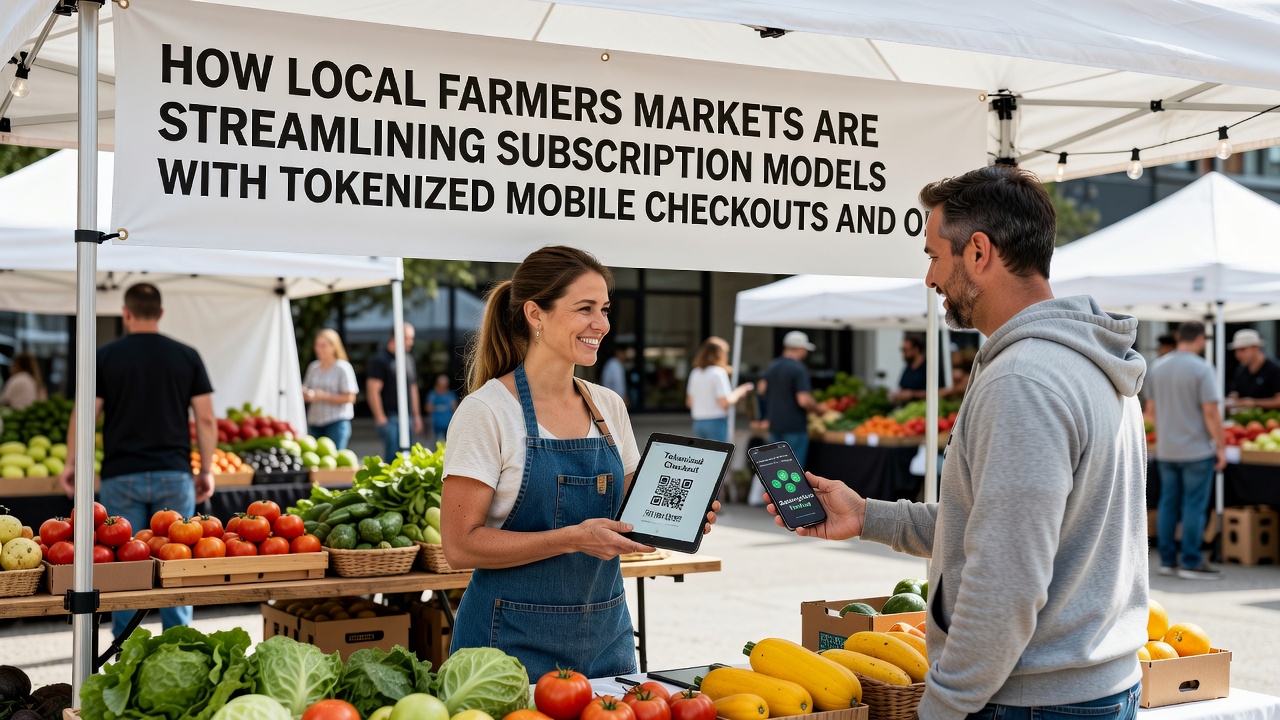
Vendors load subscription details into mobile applications that generate tokens on the spot, so customers authorize recurring deductions without re-entering payment information at each pickup, and the system handles frequency adjustments through simple interface toggles that update token parameters in real time. Research conducted by the University of Guelph in Canada indicates that farms using these tokenized flows experienced a 22 percent reduction in failed recurring charges compared with traditional card-on-file methods, because tokens automatically adapt to updated expiration dates or account changes without manual intervention.
Integration with existing point-of-sale hardware allows the same device to process both one-time purchases and subscription renewals during busy market hours, while backend platforms route authorization requests through secure gateways that comply with regional data protection rules such as those outlined in the European Union's payment services directives. Observers note that this dual functionality keeps lines moving efficiently even when hundreds of subscribers arrive within a two-hour window on Saturday mornings.
On-Demand Technical Guidance Supporting Adoption
Technical support teams now deliver assistance through in-app video calls and chat modules that activate within minutes of a vendor flagging an issue, and this immediacy has helped smaller operations avoid downtime that previously disrupted weekly distributions. Figures released by the Australian Bureau of Agricultural and Resource Economics reveal that farms receiving same-day guidance on token configuration completed setup processes 35 percent faster than those relying on scheduled consultations alone.
Guidance covers everything from initial token provisioning to troubleshooting connectivity drops during outdoor market events, and providers often schedule brief remote sessions timed around peak harvest periods so operators gain confidence before high-volume weekends arrive. Those managing multiple market locations have found that centralized dashboards let support staff view transaction logs across sites simultaneously, which speeds diagnosis when a single subscription batch fails to process correctly.
Impact on Subscription Retention and Cash Flow
Subscription models tied to tokenized systems show improved retention rates because customers receive automated reminders and can pause or modify shares through the same mobile interface used for checkout, and this flexibility reduces cancellations that once occurred when schedules changed unexpectedly. A 2025 study from Wageningen University in the Netherlands tracked 120 farms and found that tokenized recurring options correlated with a 15 percent higher renewal rate over six-month cycles compared with paper-based sign-ups.
Cash flow stabilizes as tokens enable predictable weekly or bi-weekly deductions that align with harvest schedules, allowing producers to plan seed purchases and labor more accurately without waiting for manual collections at each market. Vendors who combined these tools with on-demand guidance reported fewer accounting discrepancies at the end of each month, since automated reconciliation features flag mismatches before they compound across multiple locations.
Regional Examples and Implementation Patterns
In the Pacific Northwest, several markets rolled out tokenized checkouts during the spring 2026 season to handle increased demand for flower and herb subscriptions, and participating farms noted that mobile token generation integrated smoothly with existing inventory apps already used for crop planning. Meanwhile, operators in the Midwest leveraged guidance portals to train seasonal staff quickly, ensuring consistent handling of token-based renewals even when experienced managers were occupied with customer questions.
European markets have incorporated similar systems under updated payment regulations that took effect in 2024, and early reports suggest that cross-border CSA programs benefit when tokens remain valid across different currency zones without requiring separate authorizations for each region. The pattern shows that smaller producers gain the most when technical support scales alongside the technology rather than arriving after problems have already affected customer experience.
Conclusion
Tokenized mobile checkouts paired with responsive technical guidance have created measurable efficiencies for subscription programs at farmers markets, and ongoing data collection through 2026 continues to track how these tools affect both vendor operations and customer participation rates across diverse agricultural regions. As more markets adopt the approach, patterns emerge around training needs and integration timelines that future operators can reference when planning their own transitions.