Tokenization's Role in Modernizing Fraud Prevention for Recurring Mobile Transactions Among Local Vendors
Casey Zimmermann · Jul 23, 2026
Tokenization's Role in Modernizing Fraud Prevention for Recurring Mobile Transactions Among Local Vendors
Tokenization replaces cardholder data with unique identifiers that hold no value if intercepted, and this approach has gained traction in subscription models running on mobile terminals used by regional vendors since early 2025. Merchants in local markets often process recurring charges through portable devices that connect to payment networks, and tokenization limits exposure during each billing cycle by ensuring actual account details never travel across the system more than once at setup.
Core Mechanics Behind Token Mapping
Systems generate tokens through vaults managed by processors or acquirers, and these tokens map back to original credentials only within secure environments that meet established encryption benchmarks. Regional vendors benefit because the process allows mobile terminals to store and transmit tokens instead of primary account numbers, which reduces the data footprint on devices that move between locations and connect to various networks. Studies from the European Central Bank indicate that token adoption in recurring payment streams cut certain fraud vectors by measurable margins in pilot programs completed before July 2026.
Implementation typically starts with an initial authorization where the card details enter the vault once, after which the terminal receives a token that it reuses for subsequent charges. This flow supports subscription economies where vendors collect monthly or weekly payments without repeated entry of sensitive information on portable hardware.
Integration Patterns Across Mobile Networks
Regional operators link their mobile point-of-sale units to gateway platforms that handle token provisioning, and these connections often involve API calls that request fresh tokens when subscriptions renew or when customers update payment methods. Data shows that terminals equipped with token support maintain compliance during routine audits because they avoid retaining card numbers locally, and this separation proves useful for vendors operating across multiple jurisdictions with differing data residency rules.
One case involved a network of food cart operators who adopted token-based recurring billing in spring 2026, and their systems recorded fewer unauthorized attempts after switching from stored card details to tokenized references. The shift required updates to authorization pathways but allowed seamless handling of variable billing amounts tied to subscription tiers.
Fraud Detection Enhancements Through Token Layers
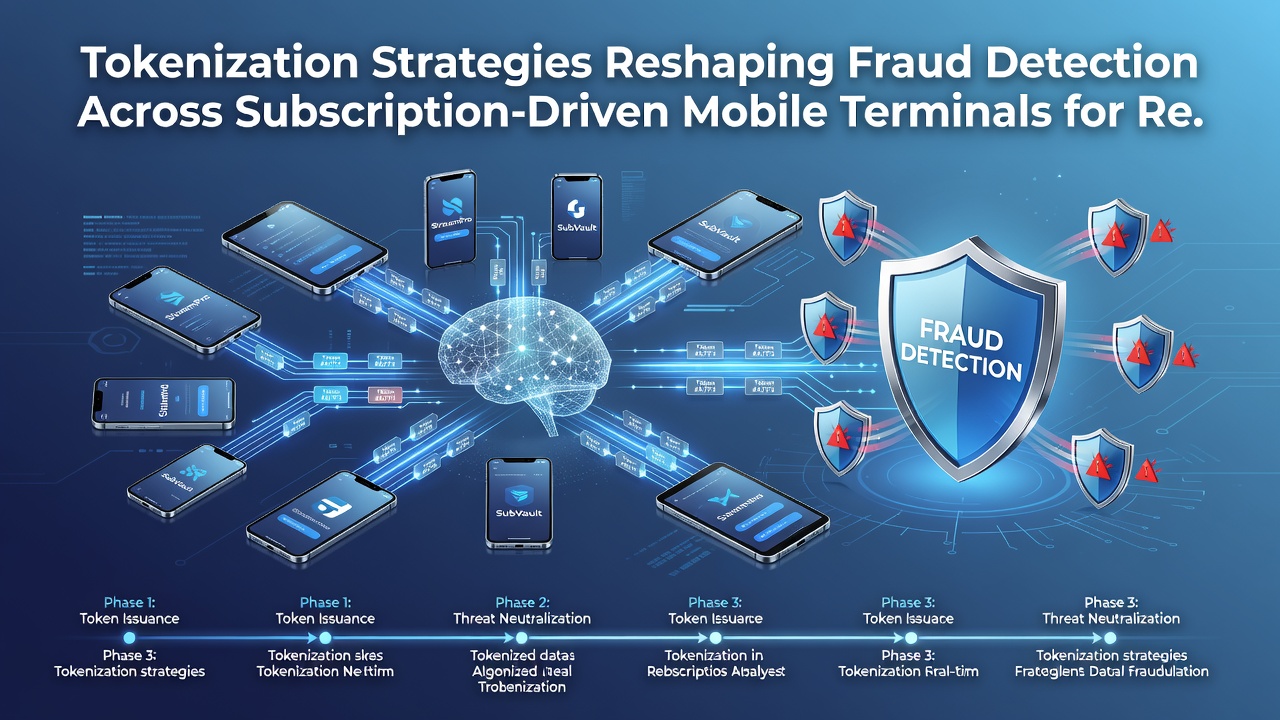
Tokenization works alongside machine learning models that flag anomalies in transaction patterns, and the combination lets detection engines focus on behavioral signals rather than raw card data. When a token appears in an unexpected location or at unusual intervals, systems can trigger reviews without exposing underlying account information, which speeds response times for regional vendors who lack dedicated security teams. Research from academic groups at institutions in Canada has highlighted how tokenized datasets enable clearer pattern recognition because they eliminate noise from compromised card numbers circulating on dark web markets.
July 2026 marked a period when several regional payment processors expanded token support to include dynamic tokens that change with each billing event, and this added layer further narrowed opportunities for replay attacks in subscription streams. Vendors using these updated terminals reported steadier approval rates because issuers viewed tokenized requests as lower risk during automated scoring.
Considerations for Area-Based Merchants
Local vendors must coordinate with acquirers to ensure their mobile terminals support token standards such as those outlined by industry groups, and training focuses on proper vault enrollment during customer onboarding. Observers note that smaller operations gain from reduced liability exposure under card network rules when tokens replace stored credentials, although initial setup costs for compatible hardware remain a factor in adoption curves. Figures from Australian regulatory summaries reveal gradual uptake among independent operators handling recurring services like equipment rentals or membership fees through portable devices.
Encryption key management pairs with token strategies because terminals rotate keys periodically while tokens stay independent of those keys, and this dual approach keeps data protected even if a device faces physical compromise. Regional networks that adopted both measures saw sustained declines in dispute volumes tied to recurring charges.
Conclusion
Tokenization continues to reshape how fraud detection operates within subscription-driven mobile terminals for regional vendors by limiting data exposure and enabling focused monitoring of transaction behaviors. As processors refine provisioning methods and detection models incorporate tokenized signals, local merchants gain tools that align with compliance requirements while supporting steady recurring revenue streams. The patterns observed through mid-2026 point to broader integration of these strategies across varied market segments that rely on portable payment hardware.