Tokenization Structures and Settlement Schedules in API-Driven Recurring Payments for Small Retail Businesses
Yves Brooks · Aug 20, 2026
Tokenization Structures and Settlement Schedules in API-Driven Recurring Payments for Small Retail Businesses
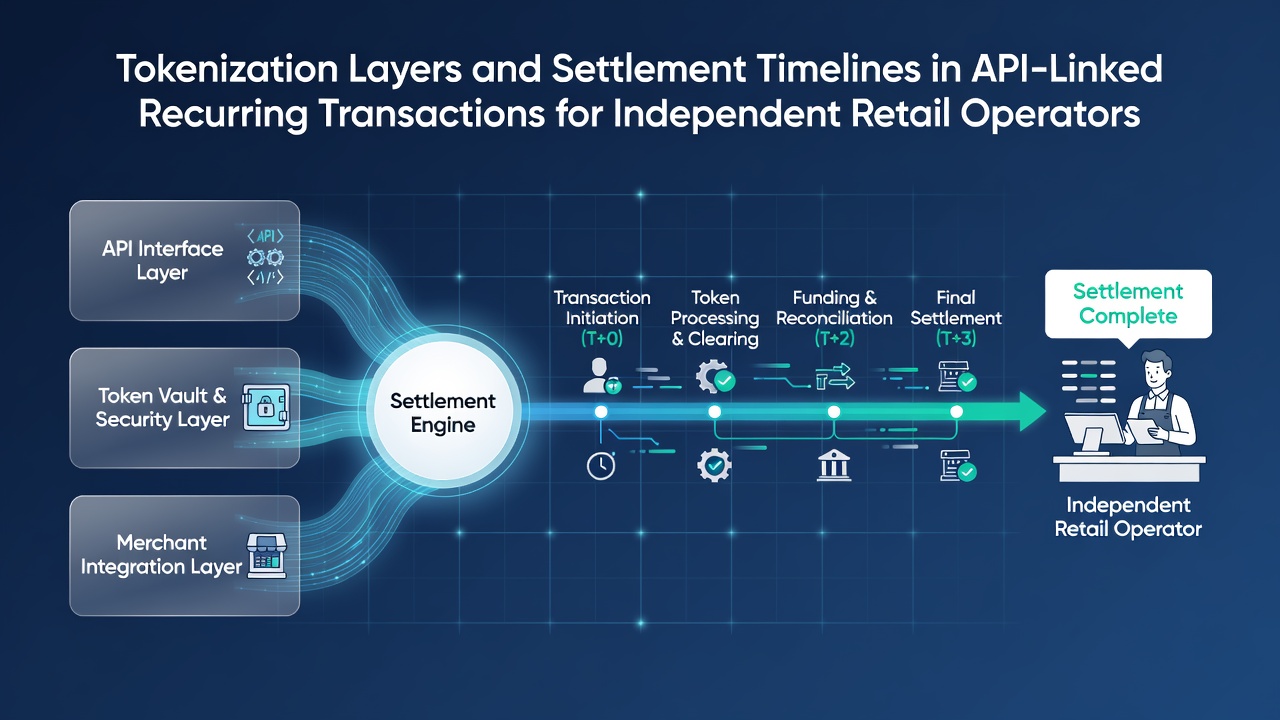
Independent retail operators who rely on recurring transactions through API connections encounter distinct requirements around tokenization structures and settlement schedules, since these elements determine both security and cash flow timing. Tokenization replaces sensitive card details with unique tokens at multiple levels, while settlement timelines dictate when funds reach merchant accounts after each recurring cycle completes. Data from payment networks shows that small businesses processing subscriptions or repeat purchases often see settlement windows ranging from one to three business days, depending on processor agreements and risk profiles.
Core Layers in Tokenization Systems
Tokenization operates across several distinct layers that build upon one another to protect recurring payment data. The first layer generates a network token directly from the card issuer, the second creates a processor-level token for internal routing, and the third produces an application-specific token that the merchant system stores for future API calls. Each layer maintains its own mapping service, which means a single recurring transaction can trigger multiple token exchanges before authorization completes. Observers note that this multi-layer approach reduces exposure because even if one token becomes compromised, the underlying card details remain inaccessible without the corresponding mapping keys.
API-linked systems for independent operators integrate these layers through standardized request formats that include token references instead of raw card numbers. When a customer sets up recurring billing, the initial API call captures the card, generates the layered tokens, and returns only the merchant-facing token for storage. Subsequent billing cycles then reference that token through the API without re-entering card data, which streamlines operations while maintaining compliance with data protection rules.
Settlement Timelines and Their Variables
Settlement timelines in recurring API transactions depend on authorization timing, risk assessment results, and processor batching schedules. Most systems batch authorizations nightly, after which funds move through the card networks and reach the merchant's account within one to two business days for standard cases. Independent retailers often encounter longer windows when their transaction volume falls below certain thresholds or when chargeback ratios trigger additional review steps. Figures from the Federal Reserve indicate that average settlement periods for small merchants hovered around 48 hours during recent reporting periods, though individual experiences vary based on account history and product category.
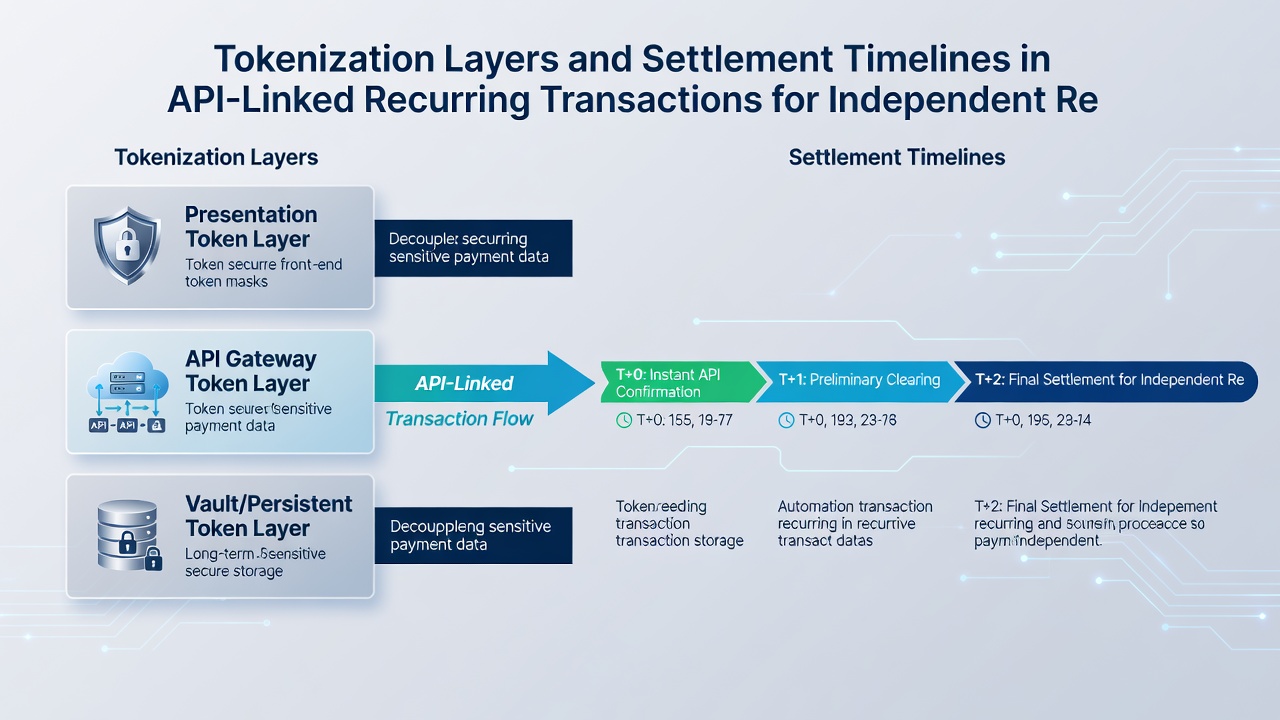
Tokenization layers influence settlement speed because each additional mapping check can introduce small processing delays. Systems that cache tokens locally and validate mappings in real time tend to complete authorization faster, which in turn accelerates the overall settlement sequence. Yet when a token requires cross-layer verification during peak hours, the authorization step may extend by several seconds, pushing the entire batch into the next settlement window.
Practical Integration for Independent Retail Operators
Small retail businesses that connect their point-of-sale or subscription platforms to payment APIs must coordinate token generation with their recurring billing logic. One common pattern involves triggering the initial tokenization during customer signup, then scheduling API calls at fixed intervals that align with settlement cutoffs. Retailers who align their billing dates with processor batch times often see more predictable fund arrivals, since the authorization and settlement processes flow without interruption from weekend or holiday delays.
Research from the Bank of Canada highlights how token caching strategies can reduce settlement variability for merchants handling recurring charges. When tokens remain valid across multiple cycles without re-verification, authorization success rates improve and funds clear on more consistent schedules. Operators who monitor their API response codes and settlement reports can identify patterns where token expiration or mapping failures cause unexpected delays.
Compliance and Operational Considerations
Regulatory frameworks require that tokenization layers meet specific encryption and access control standards before deployment in recurring transaction environments. Independent operators must ensure their API providers document how each token layer handles data at rest and in transit. Settlement reporting also falls under these rules, since merchants need clear records showing when authorizations converted to settled funds. As of August 2026, updated guidance from the European Central Bank emphasizes consistent timestamp logging across token exchanges to support audit trails for recurring payment streams.
Those who manage their own subscription platforms often discover that combining tokenization with automated retry logic helps maintain steady settlement flows even when initial authorizations fail. The retry window typically sits within the same settlement batch if executed promptly, which preserves cash flow predictability for businesses with tight operating margins.
Conclusion
Tokenization layers and settlement timelines intersect at every stage of API-linked recurring transactions for independent retail operators. Multi-level token systems protect card data while influencing authorization speed, and settlement schedules determine when cleared funds become available. Retailers who understand these connections can configure their API integrations and billing calendars to align security requirements with operational cash needs. Ongoing monitoring of token validity and batch timing remains essential as payment networks continue to refine their standards.