Street-Level Subscriptions: How Mobile POS Systems and API Integrations Are Powering Fraud-Resistant Recurring Revenue for Local Vendors
Casey Zimmermann · May 21, 2026
Street-Level Subscriptions: How Mobile POS Systems and API Integrations Are Powering Fraud-Resistant Recurring Revenue for Local Vendors
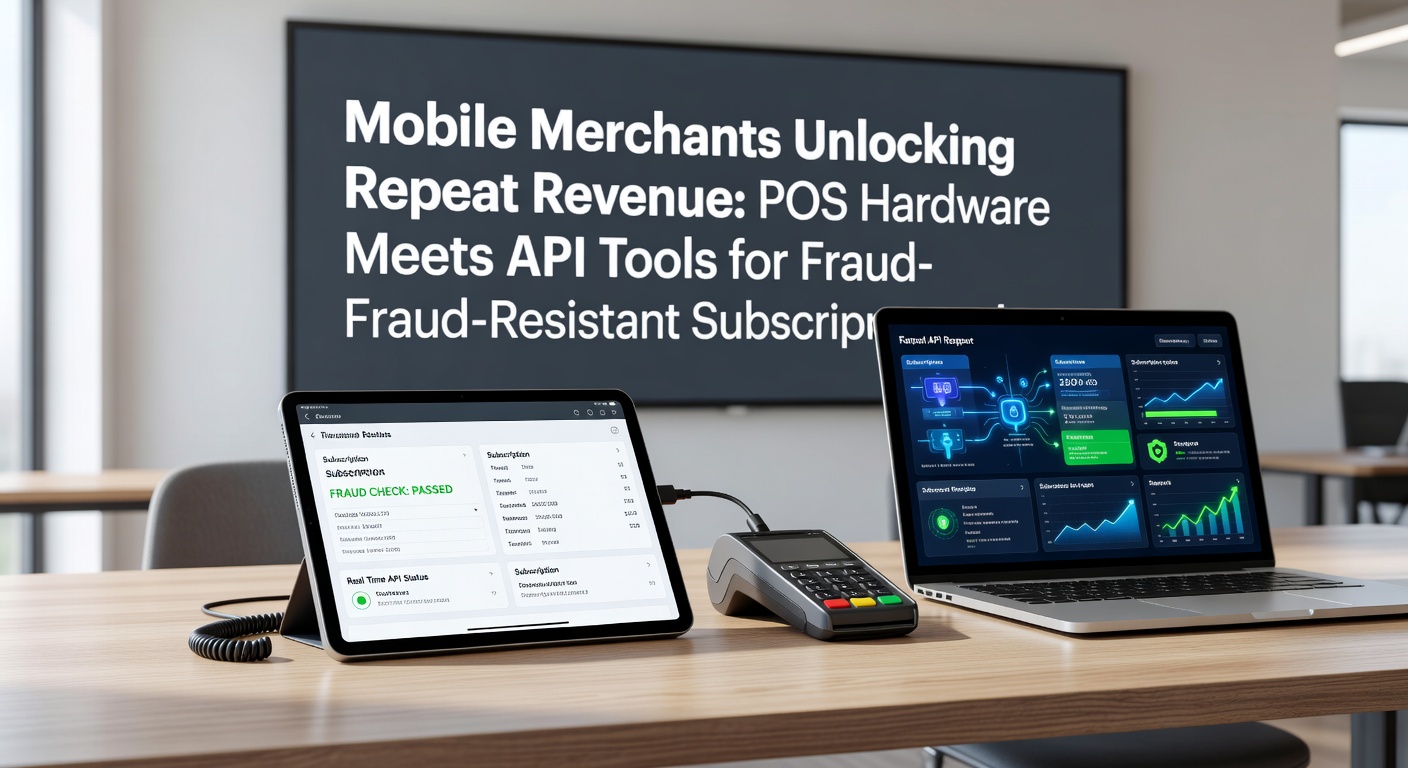
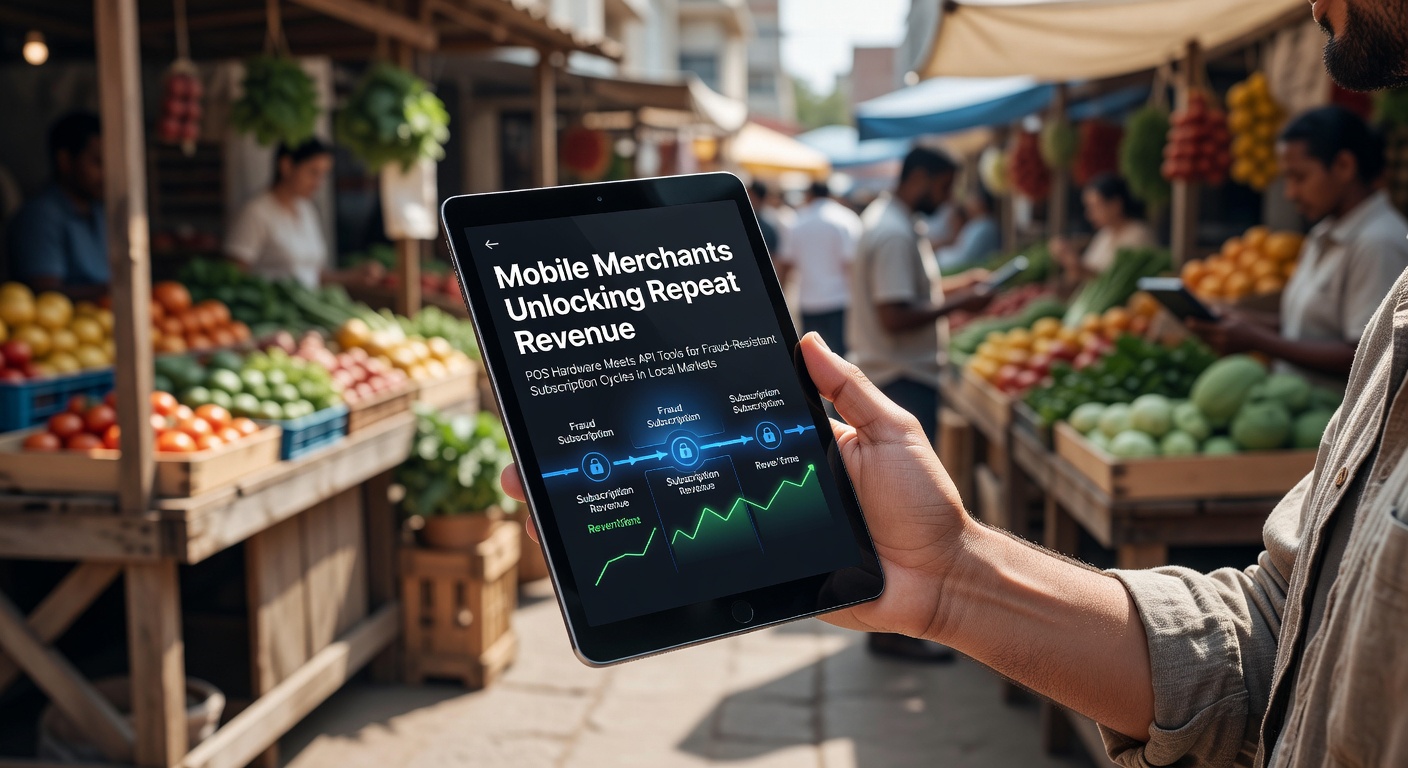
Local vendors have started pairing compact POS terminals with backend APIs to create subscription models that generate steady income while limiting exposure to fraudulent transactions. These setups allow small businesses such as food trucks and neighborhood service providers to accept recurring payments directly from customers who carry smartphones or cards. Data from industry reports indicate that such combinations have expanded across urban and suburban areas since the mid-2020s, driven by improvements in both hardware portability and software connectivity. Merchants often begin with handheld devices that read contactless payments and connect instantly to cloud platforms. Once linked, the hardware transmits transaction details to APIs that manage billing cycles, customer profiles, and automated renewals. Observers note that this process reduces manual follow-ups because the system handles reminders and retries according to predefined rules set by the business owner.Hardware Capabilities in Everyday Use
Modern POS units feature built-in encryption chips and biometric verification options that verify each payment attempt at the point of sale. Researchers at payment technology firms have documented how these devices maintain functionality in outdoor environments where temperatures and connectivity fluctuate. One study from 2025 showed that terminals equipped with dual-SIM support kept processing subscriptions even during network outages by switching carriers automatically. Vendors who operate weekly markets or delivery routes rely on battery life that lasts full shifts without recharging. The same devices log inventory data alongside payment records, which gives owners a single dashboard for tracking both stock levels and revenue streams. Figures reveal that businesses adopting these units reported fewer dropped transactions compared with older card readers that lacked API hooks.API Tools That Secure Subscription Flows
Application programming interfaces handle the scheduling of charges, storage of tokenized card data, and real-time fraud scoring before funds move. When a customer signs up for a monthly produce box or recurring equipment rental, the API assigns a unique token that replaces sensitive account numbers. This token travels back to the POS terminal for future taps, limiting the merchant's direct exposure to full card details. In May 2026, several regional banks updated their developer portals to include new endpoints that let local vendors set custom dunning sequences and velocity checks. These updates coincided with broader efforts by the European Central Bank to standardize secure tokenization practices across member states. Merchants who integrated the revised endpoints observed quicker approval rates for repeat charges because the system flagged unusual patterns before authorization requests reached the card networks.Reducing Fraud in Local Recurring Models
Fraud attempts in subscription services often involve stolen credentials used for small, repeated charges that evade initial detection. API-driven scoring engines now cross-reference device location, purchase history, and behavioral signals at each cycle. When a transaction originates from an unexpected geographic area, the system can pause the charge and prompt the customer through a secondary verification channel such as a push notification. Local case examples illustrate the impact. A Toronto-based coffee subscription service that combined countertop terminals with cloud APIs cut its chargeback ratio by more than half within six months of deployment. Similar results appeared among Australian market stall operators who adopted the same stack after guidelines from the Australian Payments Network encouraged stronger device-level authentication. The approach keeps revenue predictable while meeting compliance expectations set by card brands.