Seasonal Operators Address Tokenization Protocols for Temporary POS Units Linked to Subscription APIs Amid Evolving Security Standards
Theo Powell · Aug 6, 2026
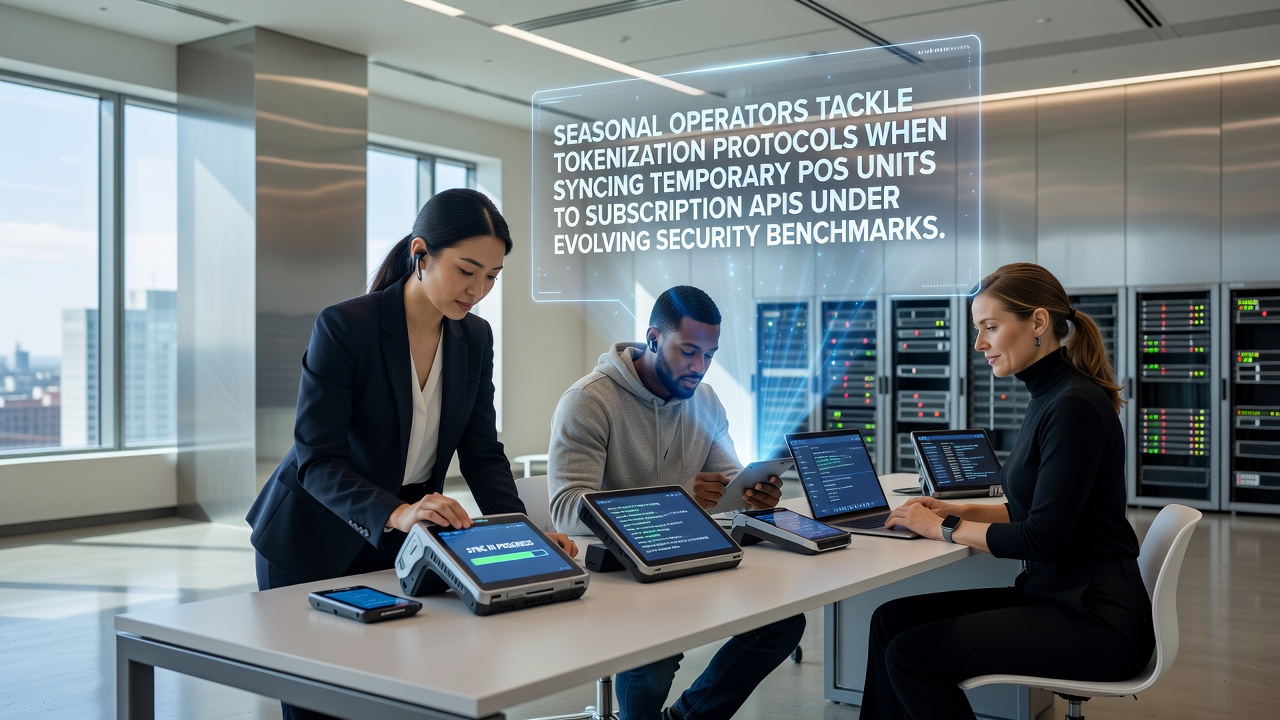
Seasonal Operators Address Tokenization Protocols for Temporary POS Units Linked to Subscription APIs Amid Evolving Security Standards
Seasonal operators manage temporary point-of-sale units that connect to subscription APIs, and they encounter specific requirements around tokenization protocols as security benchmarks continue to shift. These setups appear in markets, festivals, and pop-up locations where vendors collect recurring payments for services such as equipment rentals or membership access. Research from the PCI Security Standards Council shows that tokenization replaces sensitive card data with unique tokens, which reduces exposure during transmission between mobile terminals and backend systems.
Operators often synchronize devices that operate only during peak seasons, and the process demands careful mapping of authorization flows under current compliance frameworks. Data from industry reports indicate that temporary units must generate tokens that remain valid across multiple billing cycles while adhering to encryption standards that evolve with new threat vectors. In August 2026, updates to these benchmarks are scheduled to emphasize stronger key management practices for devices that connect intermittently to cloud-based subscription platforms.
Tokenization Mechanics in Temporary Environments
Tokenization works by generating a surrogate value that stands in for primary account information, and seasonal teams apply this method when linking portable readers to APIs that handle recurring deductions. The approach allows devices to process initial authorizations and then store tokens for later charges without retaining full card details on local hardware. Studies from the European Payments Council reveal that this separation limits data breach risks in locations where equipment moves frequently between sites.
Integration steps include configuring the POS unit to request tokens through secure channels, verifying that the subscription API accepts the token format, and confirming that each transaction meets authentication rules. Experts note that temporary setups face added complexity because network conditions vary at outdoor venues, which requires fallback procedures that still maintain token integrity. One case involved vendors at summer events who used pre-provisioned tokens to avoid real-time connectivity issues during high-traffic periods.
Security Benchmark Shifts and Compliance Adjustments
Evolving security benchmarks require operators to update encryption methods and authentication layers regularly, particularly when temporary units interact with subscription services that span multiple jurisdictions. These changes often involve rotating encryption keys on a defined schedule and ensuring that API endpoints validate tokens against current revocation lists. Figures from regulatory bodies show increased focus on multi-factor verification for devices that operate outside fixed retail environments.
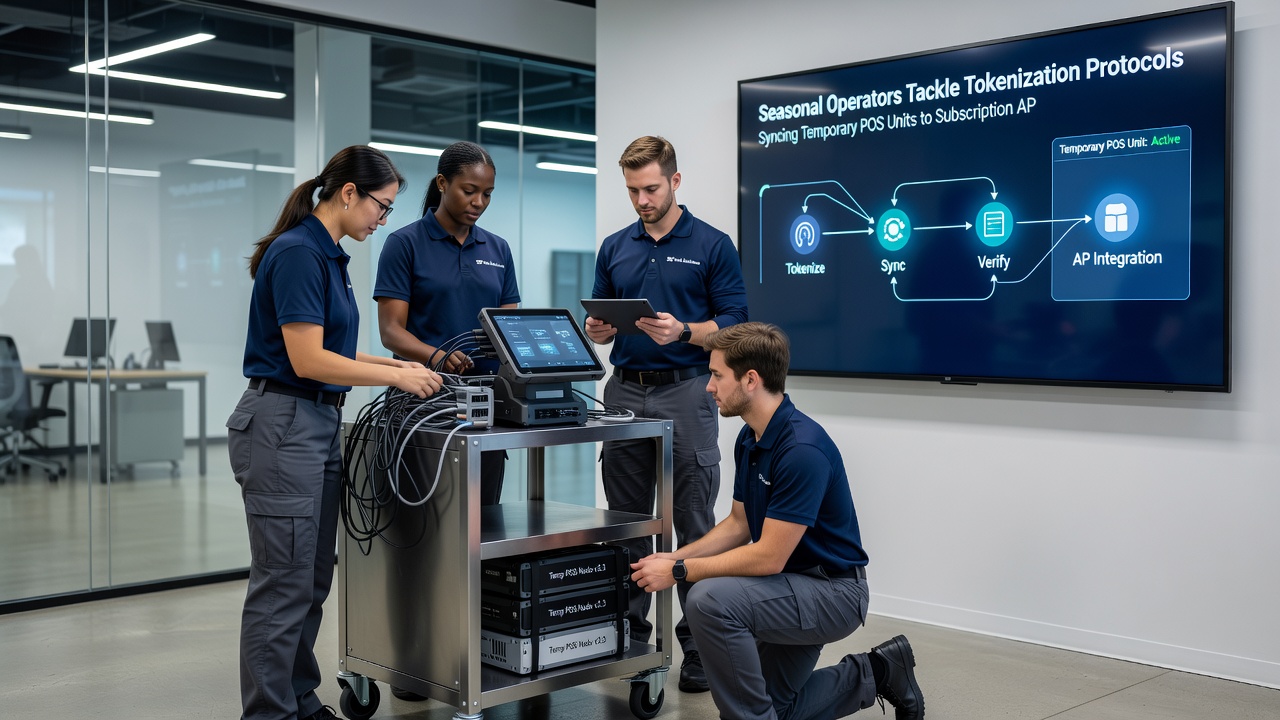
Seasonal operators review these benchmarks ahead of each operating cycle, and they adjust device firmware or software connectors accordingly. Research indicates that alignment with updated standards helps prevent transaction declines caused by outdated security profiles. Those who coordinate with gateway providers receive guidance on implementing new protocols without disrupting service during short operational windows.
Practical Integration Steps for Seasonal Teams
Teams begin by selecting POS hardware certified for tokenization support, then they establish secure connections to the chosen subscription API. The next phase involves testing token generation and storage workflows under simulated load conditions that mirror festival or market traffic. Observers report that successful deployments include documentation of every authorization route so that compliance audits can trace each step from device to backend.
Additional measures cover data protection techniques such as end-to-end encryption during token exchange and regular scans for vulnerabilities on portable units. Operators coordinate with support networks to align onboarding timelines with the latest encryption benchmarks, which ensures recurring charge operations remain uninterrupted. A report from the Australian Payments Network highlights how regional vendors adapted similar systems for seasonal tourism services while maintaining regulatory alignment across borders.
Challenges in Dynamic Market Conditions
Mobile terminals encounter variable connectivity and power constraints that influence how tokens are requested and refreshed. Seasonal operators address these factors by configuring devices to cache limited token metadata locally while relying on APIs for full validation when connections return. This balance helps sustain subscription billing even when networks fluctuate during events.
Compliance documentation plays a central role, and operators maintain records that demonstrate adherence to tokenization standards throughout each deployment period. Data shows that proactive preparation reduces the time needed to resolve integration issues when benchmarks receive updates. Those coordinating multiple temporary sites often share configuration templates that incorporate lessons from prior seasons.
Conclusion
Seasonal operators continue to refine their approaches to tokenization as temporary POS units link with subscription APIs under changing security requirements. The combination of protocol updates, device certification, and coordinated support enables these setups to function reliably across varied operating conditions. Ongoing adjustments keep systems aligned with benchmarks that reflect current risk profiles and technological capabilities.