Pop-Up Events Merging Quick Sales and Recurring Commitments via Handheld Payment Devices
Casey Zimmermann · Jul 25, 2026
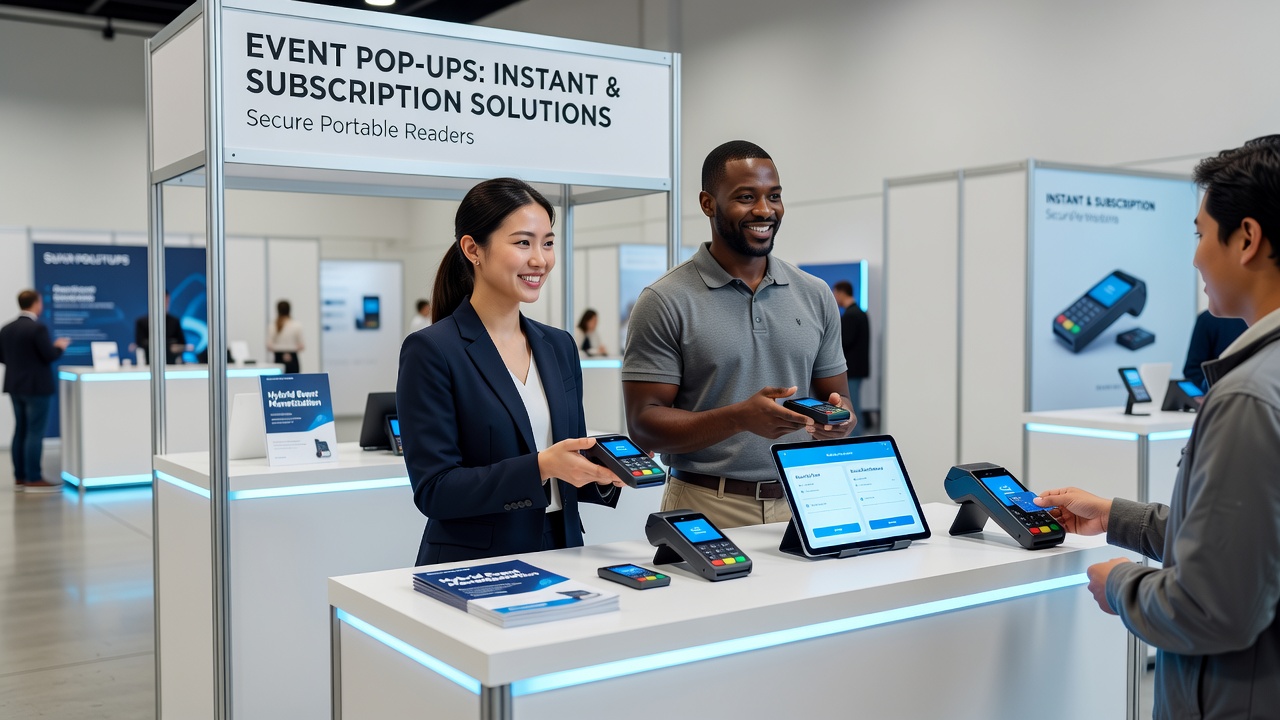
Pop-Up Events Merging Quick Sales and Recurring Commitments via Handheld Payment Devices
Event organizers and vendors at temporary gatherings have turned to secure portable readers to handle both one-time purchases and subscription sign-ups in the same transaction flow, and this approach gained wider traction by July 2026 as hardware capabilities expanded across festivals, farmers markets, and trade shows. These compact devices connect to mobile networks or Wi-Fi, allowing operators to process instant card payments while simultaneously capturing recurring billing details without separate equipment or lengthy paperwork.
Core Mechanics of Hybrid Payment Processing
Portable readers from multiple manufacturers now support dual-mode operations where a single card swipe or tap triggers an immediate charge for goods or entry fees and enrolls the customer in a follow-up subscription for related services such as monthly newsletters, loyalty programs, or repeat deliveries. The system routes the initial authorization through standard payment networks while storing tokenized subscription data on secure servers that comply with established encryption protocols. Vendors at pop-up locations benefit because the same terminal handles both transaction types, reducing the need to switch between apps or devices during busy periods.
Security Features Embedded in Field Hardware
Manufacturers integrate end-to-end encryption, EMV chip support, and biometric verification options directly into the portable units so that customer card details never reside on the device itself after processing completes. Data transmission occurs over encrypted channels that align with PCI DSS requirements, and many units include tamper-resistant modules that disable functionality if physical interference is detected. Observers note that these built-in protections allow operators at temporary sites to maintain compliance even when operating in areas without fixed internet connections, since offline modes store encrypted records until reconnection occurs.
Integration with Subscription Platforms
Software layers on the readers link directly to recurring billing services through APIs that standardize data exchange between the hardware and backend systems. When a customer consents during checkout, the device collects email addresses or phone numbers alongside payment credentials, then initiates a tokenized subscription profile that handles future deductions automatically. Research from industry reports shows adoption rates rising among small vendors because the setup time per customer averages under thirty seconds once the initial configuration is complete. And this speed matters at crowded events where lines form quickly.
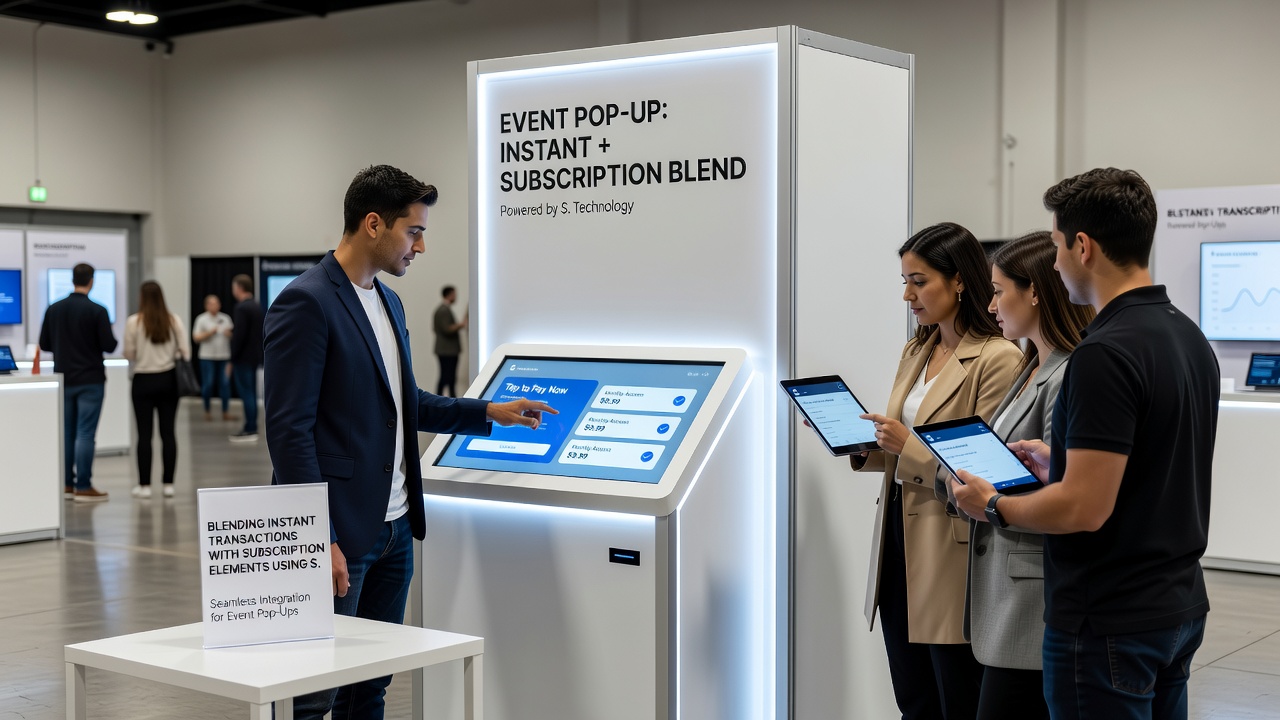
Case examples include food stalls at summer markets that offer instant meal purchases paired with optional weekly produce box subscriptions, and craft booths that combine on-site sales with monthly club memberships for exclusive designs. The readers manage the split by confirming the one-time amount first, then presenting a clear opt-in screen for the recurring element before finalizing the record.
Regulatory Alignment Across Regions
Operators must follow data protection rules that vary by location, such as those outlined by the European Data Protection Board for EU events and parallel guidelines from the Office of the Privacy Commissioner of Canada for North American gatherings. These frameworks require explicit consent capture and easy cancellation paths for subscriptions, which portable reader software accommodates through built-in prompts and confirmation receipts. Figures from regulatory summaries indicate that compliance documentation has become more streamlined as device firmware updates incorporate region-specific templates for consent language.
Operational Advantages at Temporary Venues
Event coordinators report fewer equipment failures because modern portable readers feature rugged casings rated for outdoor use and extended battery life that covers full-day operations without recharging. Inventory tracking integrates with the same devices, so stock levels update automatically after each hybrid transaction. What's significant is that vendors avoid carrying multiple terminals, which simplifies logistics when moving between sites on short notice.
Future Developments Expected After Mid-2026
Hardware updates scheduled for release later in the year include expanded support for contactless subscription renewals via digital wallets and enhanced analytics dashboards that separate instant versus recurring revenue streams for easier reporting. Academic studies from institutions such as the University of Melbourne have examined transaction data patterns at similar events, revealing consistent growth in hybrid models when readers incorporate clear customer-facing displays that explain both charges upfront.
Conclusion
Portable readers continue to serve as the central tool for blending immediate sales with subscription options at pop-up events, supported by security standards and platform integrations that keep operations efficient across diverse locations and regulatory environments. Data from multiple regions confirms steady implementation as the hardware and software mature.