Navigating Transaction Pathways in Secure Mobile Subscription Billing Platforms
Theo Powell · Jul 14, 2026
Navigating Transaction Pathways in Secure Mobile Subscription Billing Platforms
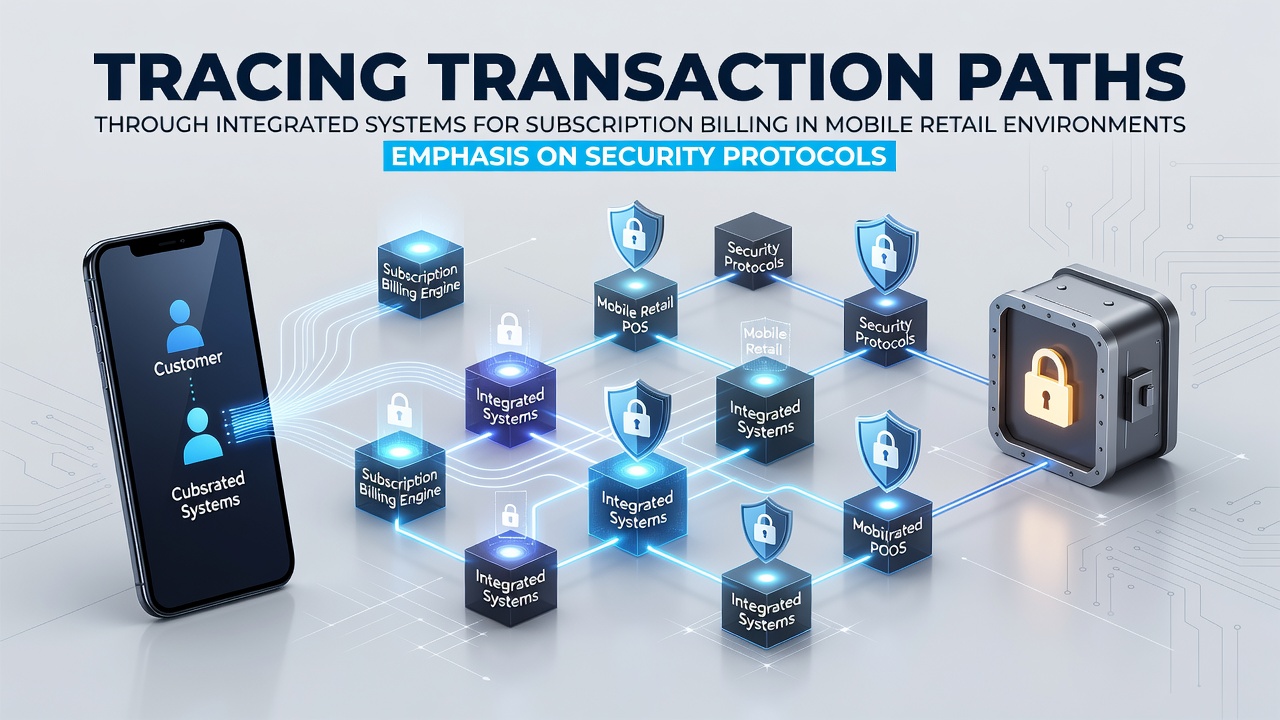
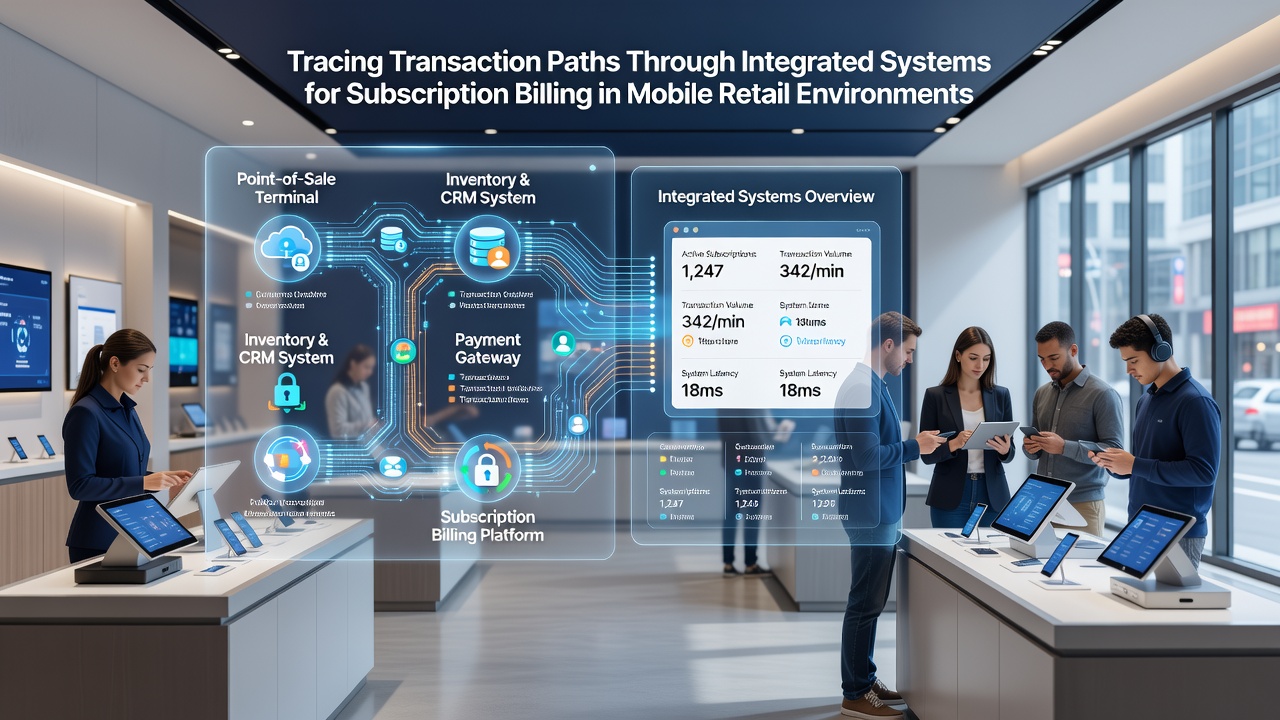
Transaction paths in mobile retail environments weave through multiple integrated layers when subscription billing takes hold, and those routes demand precise mapping to maintain both operational efficiency and robust protection measures. Mobile point-of-sale devices connect directly to backend processors, where recurring charges initiate sequences that span authorization requests, token exchanges, and settlement confirmations across vendor networks and payment gateways. Observers note that each hop in this chain introduces specific vulnerabilities that security protocols address through encryption standards and access controls.
Core Components of Mobile Subscription Systems
Integrated platforms combine portable terminals with cloud-based billing engines, allowing merchants to manage recurring deductions without fixed infrastructure. Data flows begin at the device level, where card details undergo initial capture and immediate tokenization before transmission occurs. Research from industry reports shows that this tokenization step reduces exposure risks during transit, while subsequent routing decisions direct requests toward acquirers or processors based on subscription parameters established during merchant onboarding.
Subscription logic embedded in these systems schedules future transactions according to predefined intervals, triggering automated authorization attempts that follow predetermined pathways. Those pathways incorporate compliance checkpoints aligned with global standards, ensuring that each recurring charge adheres to the same validation steps applied during initial setup. Figures from regulatory updates indicate steady adoption of such integrated approaches in mobile retail settings through mid-2026.
Tracing Authorization Routes Under Security Constraints
Authorization sequences start when a mobile terminal submits a tokenized request, which travels through encrypted channels to a central gateway that evaluates merchant credentials and account status. Gateways then forward validated packets to issuing banks, where balance checks and fraud screening algorithms determine approval or decline outcomes before responses return along the same route. Security protocols enforce mutual authentication at each endpoint, preventing interception attempts that could compromise subscription data integrity.
Path mapping tools allow operators to log every intermediate node, creating audit trails that support compliance verification and incident response. Data indicates these logs prove essential when discrepancies arise in recurring billing cycles, enabling rapid identification of bottlenecks or anomalies without disrupting ongoing operations. Protocols such as TLS 1.3 and point-to-point encryption maintain confidentiality throughout the journey.
Encryption and Key Management Practices
Security frameworks rely on dynamic key rotation schedules that refresh encryption credentials at regular intervals to limit the window of opportunity for potential breaches. Mobile devices store session keys temporarily, discarding them after each transaction cycle completes, while backend systems employ hardware security modules for long-term key custody. Researchers have documented how these practices align with PCI DSS requirements, which mandate documented procedures for key generation, distribution, and destruction across integrated environments.
Token service providers further isolate sensitive cardholder information by replacing account numbers with unique identifiers that hold no intrinsic value outside authorized networks. This substitution occurs early in the transaction path, shielding downstream components from direct exposure. Evidence from compliance audits reveals that organizations maintaining strict key management policies experience fewer incidents involving recurring mobile payments.
Compliance Integration Across Regions
Regulatory bodies enforce consistent standards that influence how transaction paths are constructed and monitored. The PCI Security Standards Council outlines requirements that shape encryption and logging practices worldwide, while the European Central Bank provides guidance on secure electronic payments that complements these measures in cross-border scenarios. Operators in Canada reference frameworks from the Office of the Superintendent of Financial Institutions to ensure mobile subscription flows meet domestic expectations for data protection.
Path tracing capabilities support these obligations by delivering verifiable records of every authorization attempt and response. Systems configured to capture metadata on routing decisions enable merchants to demonstrate adherence during periodic reviews, particularly when subscription volumes increase and transaction complexity grows.
Conclusion
Effective navigation of transaction pathways in mobile subscription billing depends on layered security protocols that operate seamlessly across integrated components. Mapping these routes provides the visibility needed to sustain compliance and operational reliability in retail environments where recurring payments form a core revenue mechanism. Continued refinement of encryption techniques and authorization controls supports the expansion of such systems through evolving regulatory landscapes.