Mobile Terminal Subscriptions Under Regulatory Lens: Exploring Authorization Pathways and Data Protection Techniques for Independent Operators
Casey Zimmermann · Jun 2, 2026
Mobile Terminal Subscriptions Under Regulatory Lens: Exploring Authorization Pathways and Data Protection Techniques for Independent Operators
Independent traders operating with portable terminals encounter growing examination of their subscription networks as regulators worldwide tighten controls on recurring payment streams and associated data flows. Authorization pathways have become central to compliance efforts because they determine how recurring deductions receive initial approval and subsequent renewals while portable devices handle sensitive card data in dynamic environments.
Research from payment security organizations indicates that portable terminals require specific tokenization methods during the authorization phase to prevent exposure of primary account numbers. These methods replace card details with unique tokens that link back to the original credentials only through secure vaults maintained by payment processors. Independent operators who integrate these tokens early in the subscription setup process reduce their scope of compliance obligations under established security standards.
Authorization Pathways in Subscription Models
Authorization pathways for subscriptions typically begin with an initial verification step where the portable terminal sends encrypted card details to the acquiring bank for approval. Once approved the system generates a token or stores a reference that allows future billing cycles without repeated full card transmissions. Observers note that this pathway must accommodate both one-time authorizations for new subscribers and standing instructions for ongoing charges while maintaining audit trails that regulators can review.
Data shows that many independent traders now employ hosted payment fields within their portable terminal applications to shift sensitive data entry away from their own systems. This approach routes card information directly to the payment gateway during the authorization request thereby limiting the trader's exposure to cardholder data. In June 2026 updates to security protocols emphasized stricter validation of these hosted fields on mobile devices to address vulnerabilities identified in field audits across multiple regions.
Data Shielding Tactics for Portable Devices
Data shielding tactics focus on encryption at rest and in transit combined with access controls that restrict who can retrieve subscription records on portable terminals. Independent traders often deploy end-to-end encryption that protects information from the moment it enters the device until it reaches the processor's secure environment. Additional measures include regular rotation of encryption keys and the use of point-to-point encryption hardware modules built into many modern terminals.
Those who've studied device security practices find that segmenting subscription data from other transaction records on portable terminals helps contain potential breaches. Traders achieve this segmentation through application-level controls that isolate recurring billing databases and require separate authentication for access. Such tactics align with broader data protection expectations outlined in frameworks like the European Union's data protection regulations and similar measures adopted in Canada and Australia.
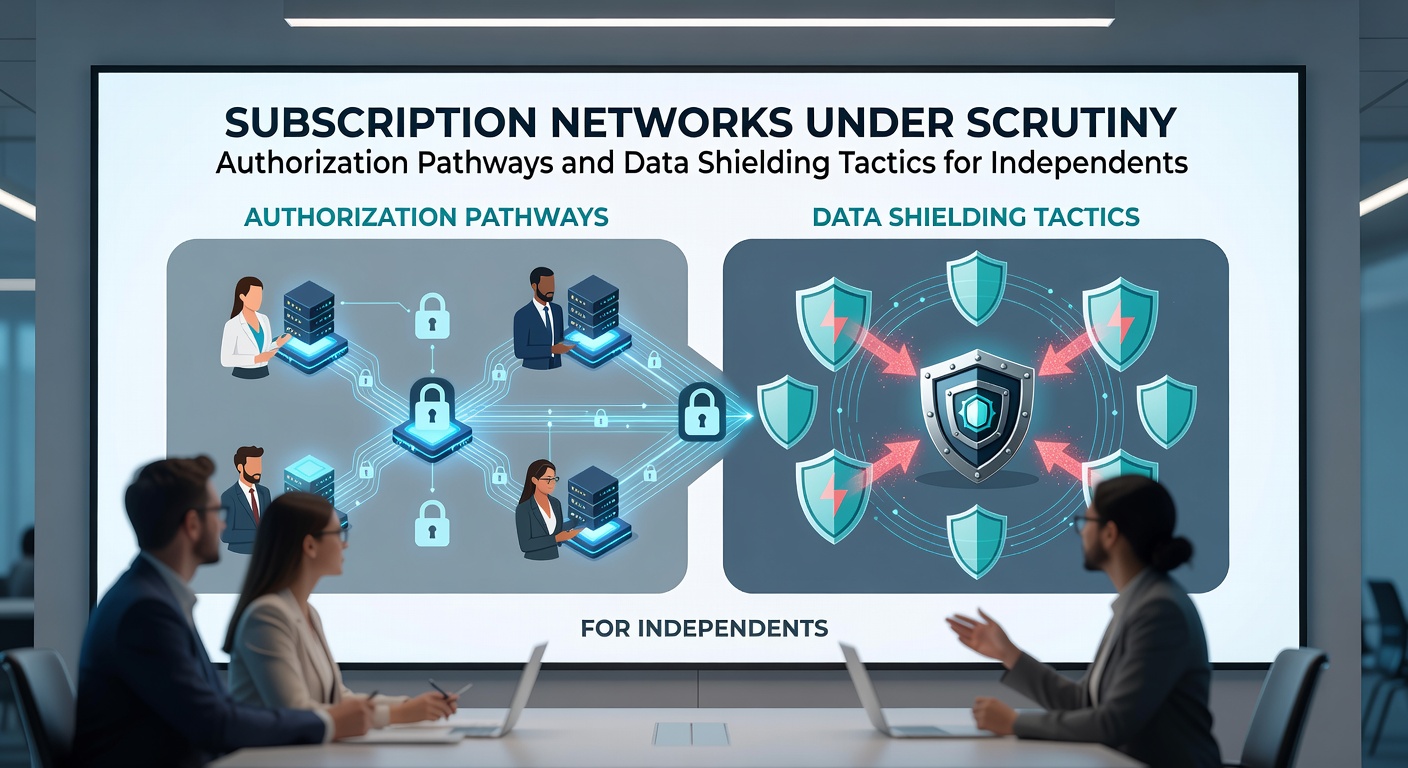
Industry reports highlight that token vaults maintained by third-party processors serve as another key shielding layer because they eliminate the need for traders to retain card details locally. Portable terminals communicate only with the token reference during renewal authorizations which reduces the risk surface significantly. Traders who adopt these vaults report streamlined compliance processes during periodic security assessments.
Regulatory Scrutiny and Compliance Integration
Regulatory bodies have increased attention on subscription networks because recurring charges create ongoing data handling requirements that differ from single transaction models. Authorization pathways must now demonstrate clear consent mechanisms at setup and provide easy revocation options for subscribers. Portable terminal users face particular challenges in documenting these consents in real time while operating in varied physical locations.
Evidence suggests that integrating compliance checks directly into the authorization flow helps traders meet expectations from multiple jurisdictions. For instance systems can prompt for explicit subscriber confirmation before storing a token for future use and can log the interaction in a format suitable for regulatory review. This integration becomes especially relevant as portable terminals connect to broader networks that cross borders and encounter differing data protection rules.
Implementation Examples for Independent Operators
Take one group of street vendors who incorporated token-based authorization into their portable terminal workflows for weekly produce subscriptions. They configured their devices to request initial authorization through a secure gateway and then relied on stored tokens for subsequent charges without retaining card information locally. This setup allowed them to maintain subscription continuity while satisfying data minimization requirements during inspections.
Another case involved a cooperative of mobile artisans who used application programming interfaces to link their handheld terminals with external compliance services. These services handled recurring authorization renewals and applied data shielding protocols automatically. The approach freed the operators from managing encryption keys directly and provided centralized reporting that simplified responses to regulatory inquiries.
Conclusion
Subscription networks for independent traders using portable terminals continue to draw regulatory attention because of the intersection between recurring authorizations and mobile data handling. Effective pathways rely on tokenization and hosted fields while data shielding depends on encryption segmentation and third-party vaults. Traders who align their systems with these methods position themselves to meet evolving requirements across different regulatory landscapes.