Local Operators Coordinating Fraud Prevention and Subscription Services in Portable Payment Devices
Yves Brooks · Aug 8, 2026
Local Operators Coordinating Fraud Prevention and Subscription Services in Portable Payment Devices
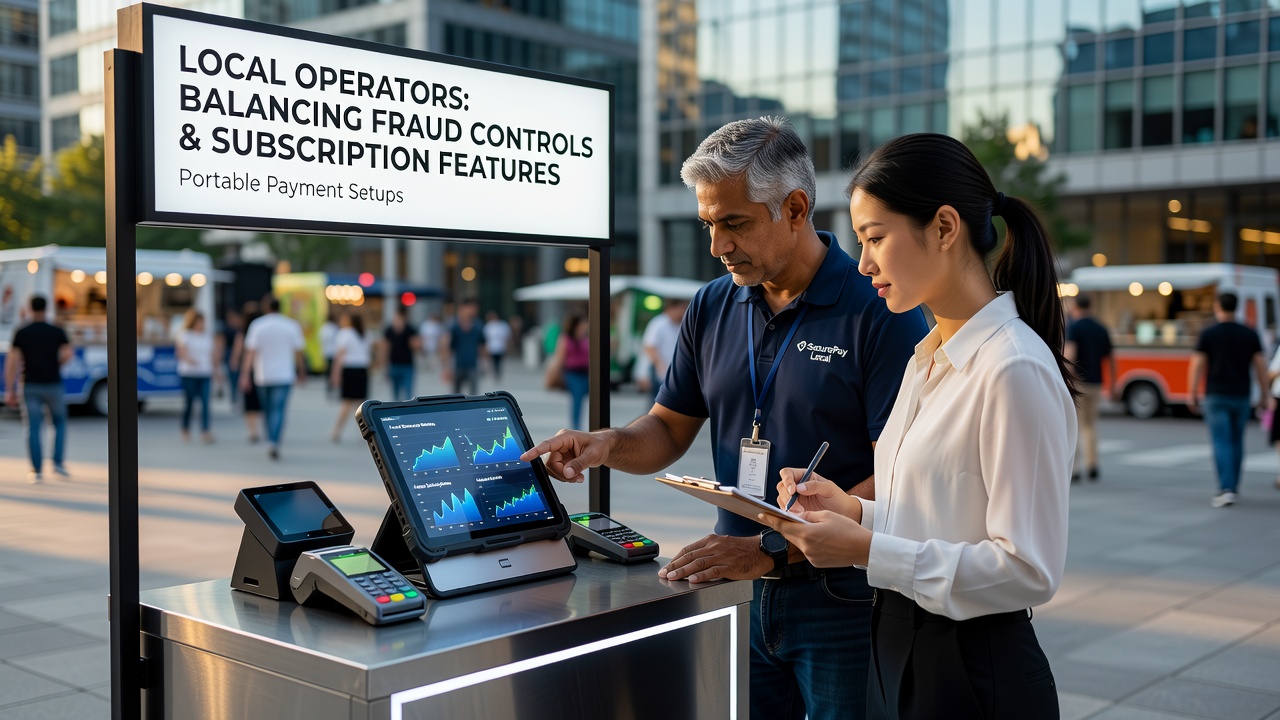
Independent vendors and small-scale operators across urban and rural markets continue to adopt portable card readers that support both one-time transactions and recurring billing models, yet they must simultaneously implement layered fraud detection mechanisms to protect revenue streams. Data from industry monitoring groups shows that mobile payment volumes involving subscription features grew steadily through 2025, with portable terminals now handling everything from weekly produce box deliveries to monthly service contracts for local technicians. Operators face the practical requirement of verifying each recurring authorization while keeping checkout times brief for customers who expect quick interactions at markets or job sites.
Core Technical Setup for Mobile Recurring Payments
Portable terminals connect to cloud-based gateways that store tokenized card details rather than full account numbers, allowing operators to schedule future deductions without retaining sensitive data on the device itself. Authentication pathways typically route through application programming interfaces that trigger initial verification, then rely on stored credentials for subsequent charges; this structure aligns with standards outlined by the PCI Security Standards Council. Local operators often configure these systems to request additional confirmation, such as a one-time code sent via text, when transaction patterns deviate from established norms for a given customer.
Hardware choices matter because battery life, network connectivity, and encryption chip capabilities directly influence how reliably fraud alerts reach the operator during active market hours. Devices equipped with near-field communication readers and secure element storage enable faster processing while maintaining compliance benchmarks that regulators updated in late 2025.
Fraud Detection Layers in Subscription Contexts
Algorithms monitor velocity patterns, geographic consistency, and device fingerprinting to flag potential misuse of recurring authorizations. When an operator activates a subscription plan on a portable terminal, the system records baseline behavior; subsequent charges that originate from unexpected locations or show unusual amounts trigger automated holds until manual review occurs. Research reports indicate that such real-time scoring reduces unauthorized recurring charges by measurable percentages across small-business cohorts.
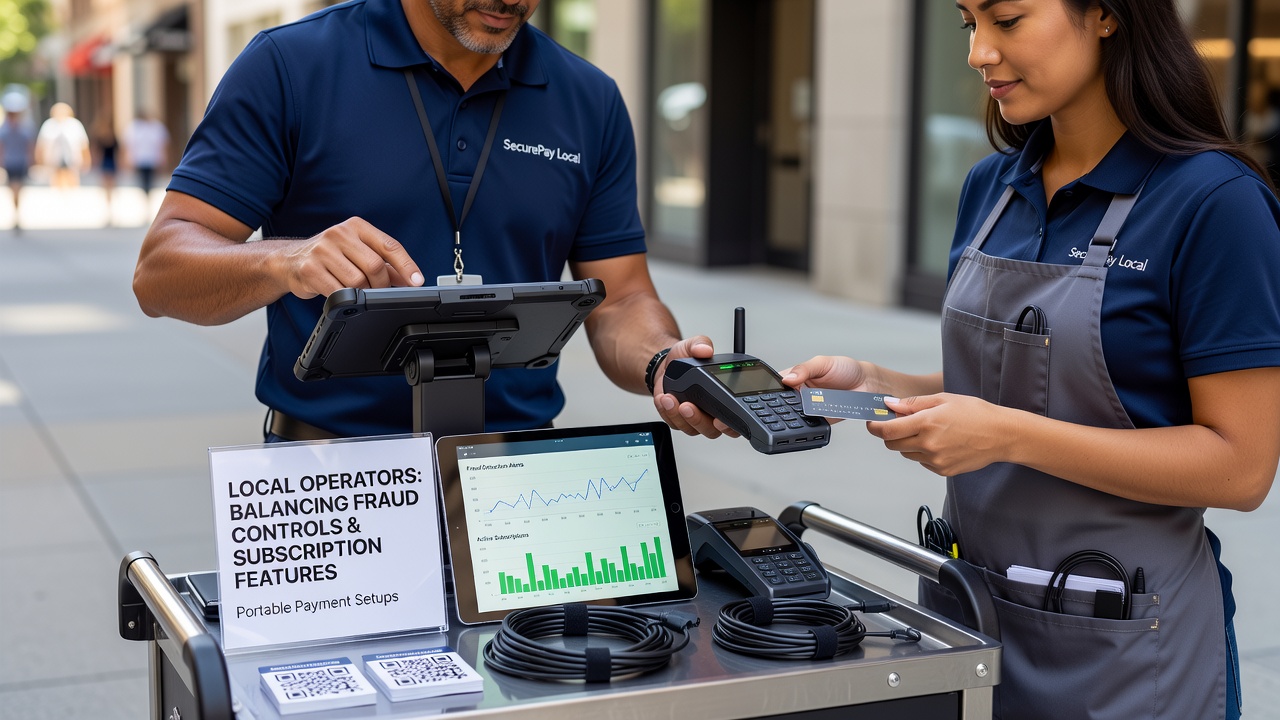
Operators in August 2026 began receiving firmware updates that integrate behavioral analytics directly into handheld units, reducing dependence on constant internet connectivity for basic screening. These updates allow the terminal to compare current transaction details against historical data cached locally, then escalate questionable cases to a cloud dashboard for further examination by support teams.
Regulatory Compliance Pathways
Compliance frameworks require operators to document consent for recurring charges and to provide easy cancellation mechanisms that do not require customers to contact third-party processors. European directives on payment services emphasize transparent disclosure of renewal terms at the point of initial signup, while Canadian guidelines stress secure storage of payment credentials separate from operational databases. Local operators frequently work with gateway providers that bundle these compliance features into subscription management modules, thereby avoiding separate legal reviews for each new market they enter.
Training sessions offered by terminal manufacturers cover topics such as proper receipt formatting for recurring plans and procedures for handling disputed charges that arise months after the original signup. Observers note that vendors who complete these sessions experience fewer compliance queries from acquiring banks during routine audits.
Operational Examples from Field Deployments
One produce vendor operating weekend markets integrated a portable reader with a simple subscription module that charged customers automatically each Tuesday for weekly vegetable boxes. The system applied velocity checks and required address verification on the first charge, after which subsequent deductions processed with reduced friction yet still logged each transaction for later reconciliation. Another case involved a mobile pet-grooming service that scheduled recurring payments through the same terminal used for walk-up customers; the operator configured alerts that notified the business owner via smartphone whenever a scheduled charge exceeded the average ticket size by more than thirty percent.
These deployments illustrate how small teams balance customer convenience against the need for ongoing monitoring without hiring dedicated security staff.
Conclusion
Portable payment configurations continue to evolve as local operators refine the balance between fraud mitigation tools and subscription convenience features. Continued firmware enhancements, clearer regulatory guidance, and improved training resources support operators who must maintain both revenue predictability and transaction integrity across diverse sales environments.