Key Compliance Measures Protecting Recurring Payments on Mobile Point of Sale Devices
Rafael Otto · May 23, 2026
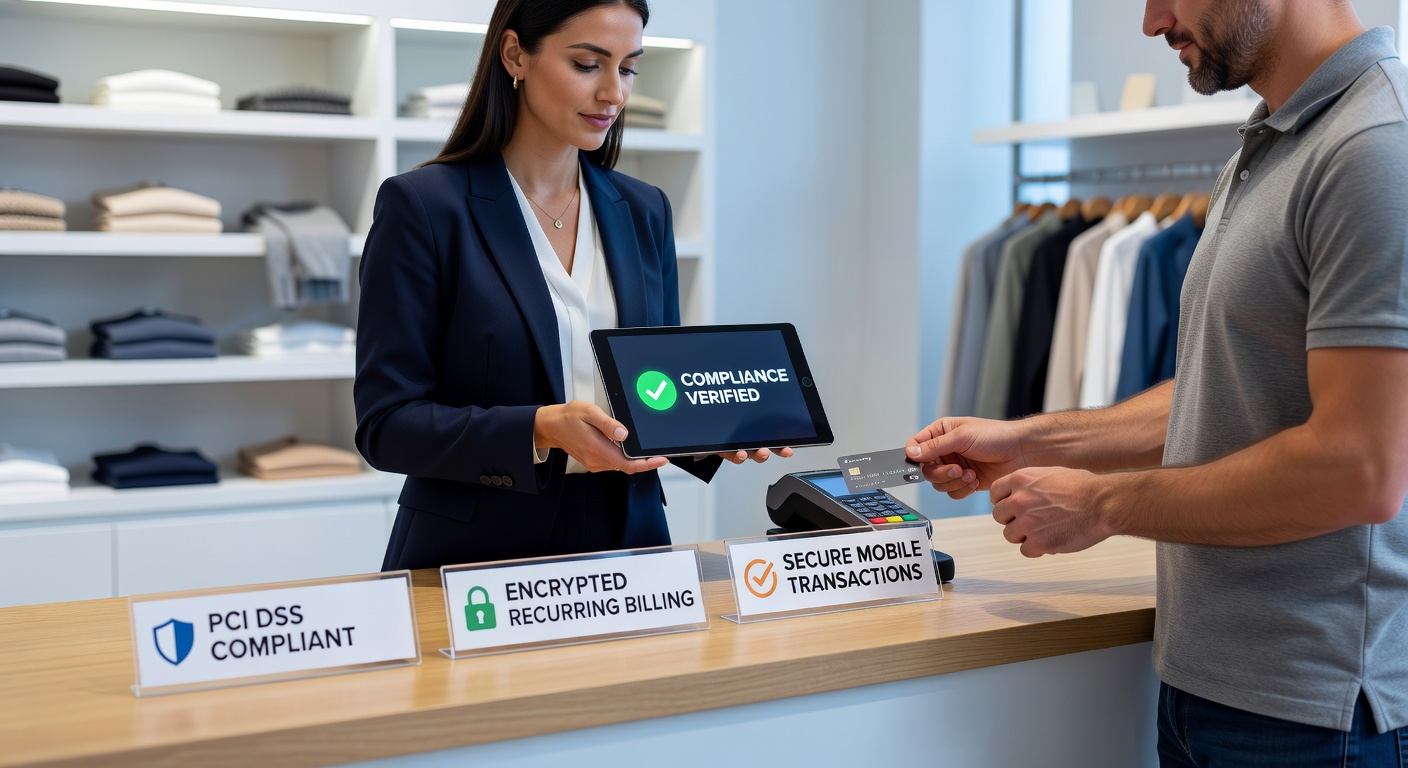
Key Compliance Measures Protecting Recurring Payments on Mobile Point of Sale Devices
Small businesses that rely on mobile POS devices for recurring transactions face a growing set of regulatory requirements designed to protect cardholder data and maintain transaction integrity, and these rules continue to evolve as payment technologies advance. Observers note that operators in retail, service, and subscription-based sectors must implement layered controls at every stage of the payment cycle to avoid penalties and maintain customer trust. Data from industry reports shows that mobile devices now handle a significant share of repeat billing activity, which increases exposure to both technical vulnerabilities and compliance gaps if checkpoints are overlooked.
Core Regulatory Frameworks Governing Mobile Recurring Payments
Payment card industry standards set baseline expectations for any device that stores, processes, or transmits card data during recurring authorizations. The PCI Security Standards Council maintains these requirements, which apply equally to fixed terminals and portable units used by small vendors. In addition, regional rules add specific obligations; the European Union's revised Payment Services Directive, for instance, emphasizes strong customer authentication for each recurring mandate, while Canadian guidelines from the Office of the Superintendent of Financial Institutions stress encryption standards for data at rest on handheld hardware. As of May 2026, several jurisdictions plan to enforce updated tokenization mandates that will require mobile POS systems to replace stored card details with unique tokens for every subscription renewal.
Device-Level Security Checkpoints
Physical and software controls on the device itself form the first line of defense. Operators must ensure that mobile POS units run only approved operating systems with automatic security patches applied within defined windows. Research indicates that unpatched firmware remains a common vector for data interception during recurring authorization requests. Access controls limit which staff members can initiate or modify subscription profiles, and session timeouts prevent unauthorized continuation of active payment sessions. Encryption modules certified to recognized standards protect card data both during transmission to the gateway and while temporarily cached on the device before token replacement occurs.
Authentication and Authorization Protocols
Recurring transactions require separate verification steps that differ from one-time sales. Many small businesses integrate multi-factor prompts for initial mandate setup, then rely on stored credentials for subsequent charges. According to figures released by regulatory bodies, merchants who fail to re-authenticate high-value or high-frequency subscriptions experience elevated dispute rates. Mobile POS applications therefore incorporate step-up authentication triggers based on transaction amount, frequency, or geographic anomalies detected during batch processing.
Transaction Monitoring and Logging Requirements
Continuous monitoring detects anomalies that could signal compromised recurring profiles. Systems log each authorization attempt with timestamps, device identifiers, and network details, creating an audit trail that regulators may request during examinations. Small business owners often discover that aggregated logs also help identify patterns such as sudden spikes in failed renewals, which may indicate either customer card expiration or fraudulent testing of subscription data. Automated alerts notify designated personnel when thresholds for velocity or amount are exceeded, allowing rapid intervention before chargebacks accumulate.
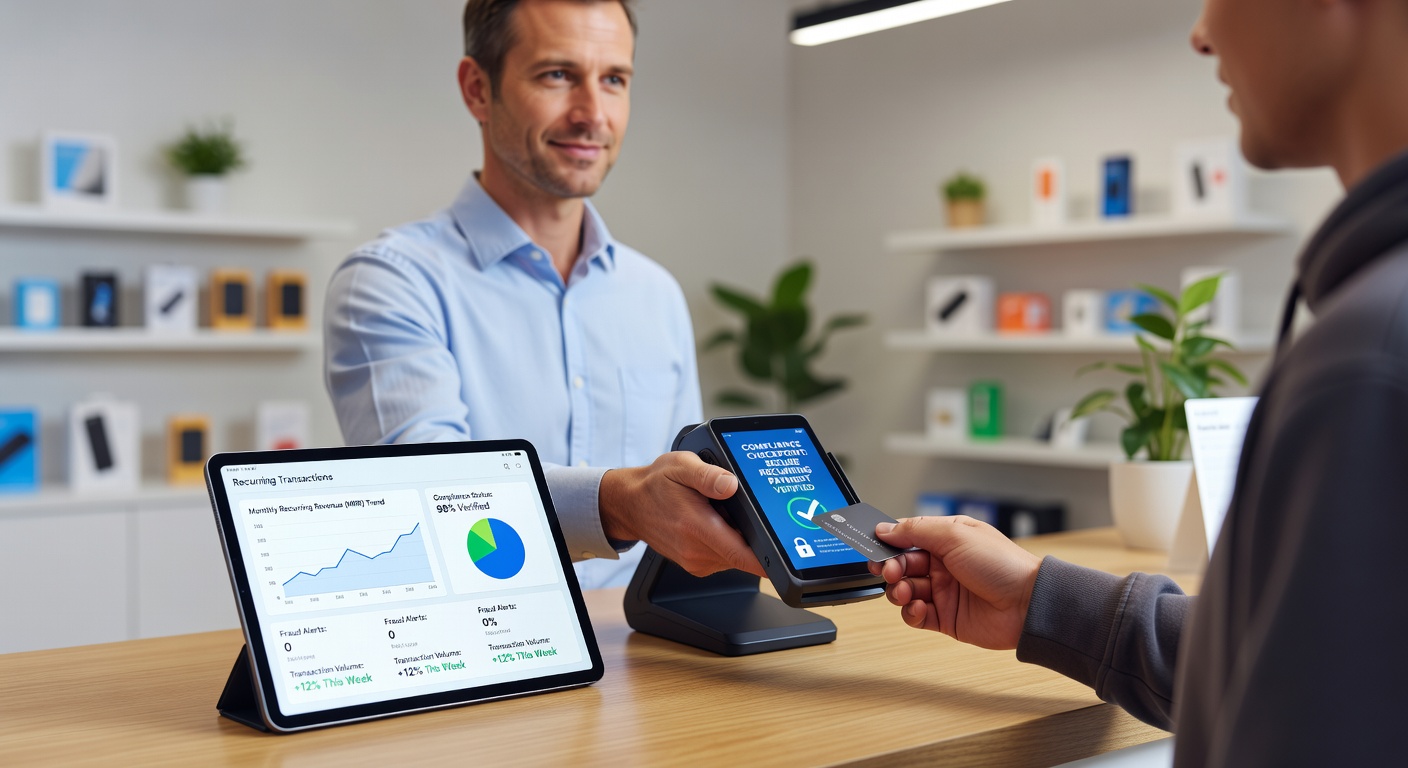
Data Retention and Tokenization Practices
Storing full primary account numbers on mobile devices violates most current standards, so tokenization replaces sensitive elements with non-sensitive equivalents that retain only the necessary reference data for future billing. Vendors who adopt this approach reduce their compliance scope because tokens fall outside the definition of cardholder data. Retention policies further limit how long even tokenized records remain accessible on the device; many operators configure automatic purging after a defined number of billing cycles or upon subscription cancellation. External processors handle the actual card vault, and the mobile POS unit communicates only through secure APIs that never expose raw account details.
Staff Training and Incident Response Procedures
Technical controls alone cannot address human factors that lead to compliance failures. Training programs for employees who operate mobile POS equipment emphasize recognition of social engineering attempts and proper handling of customer mandate changes. Documented incident response plans outline steps for isolating a potentially compromised device, notifying acquiring banks within required timeframes, and preserving evidence for forensic review. Those who have studied enforcement actions observe that businesses with rehearsed response procedures resolve issues faster and incur lower remediation costs when breaches occur.
Conclusion
Compliance checkpoints for recurring transactions on mobile POS devices combine device hardening, authentication rules, monitoring protocols, and tokenization practices to meet obligations set by payment networks and regional regulators. Small businesses that integrate these measures into daily operations reduce exposure while supporting reliable subscription revenue streams. Continued attention to updates scheduled for May 2026 and beyond will determine how effectively operators maintain both security and operational continuity as mobile payment volumes grow.