Integrating Tokenized Gateway Data with Rental Equipment Inventory Ledgers
Casey Zimmermann · Aug 25, 2026
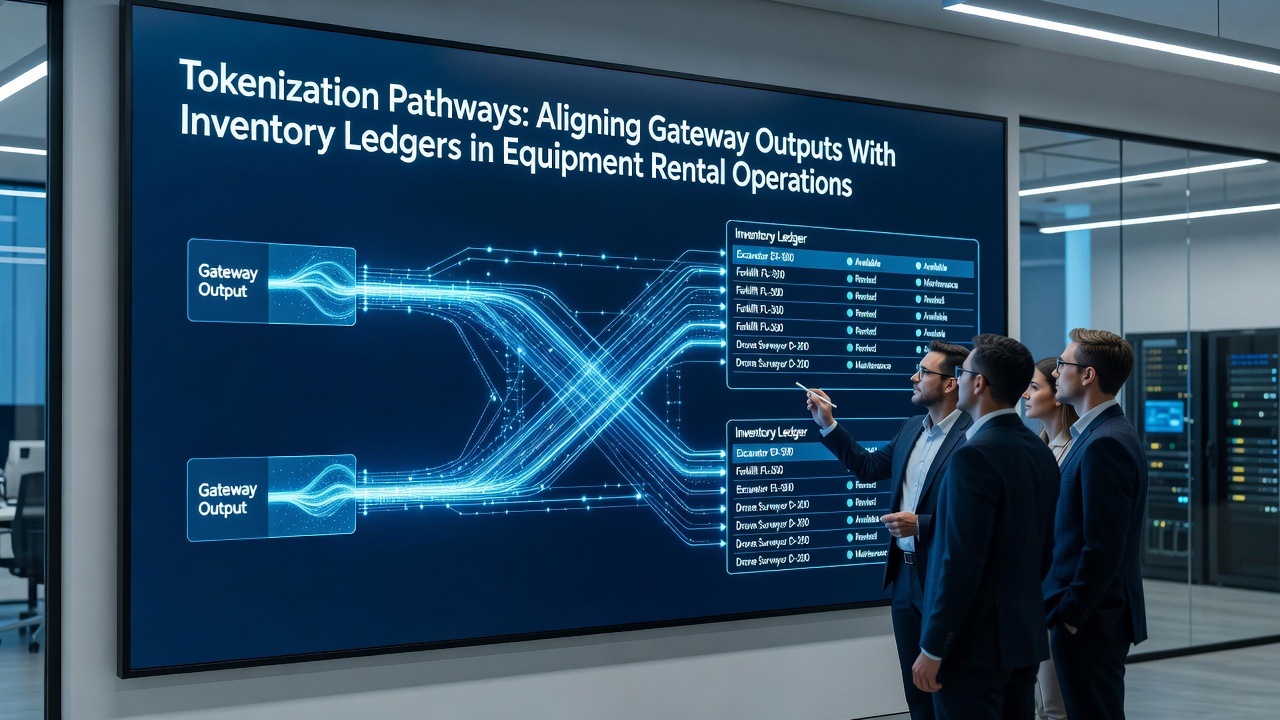
Integrating Tokenized Gateway Data with Rental Equipment Inventory Ledgers
Equipment rental operations track physical assets such as excavators, generators and scaffolding through detailed inventory ledgers while payment gateways process rental fees in tokenized formats that replace sensitive card data with unique identifiers. These pathways connect the two systems so that each successful transaction updates asset status, availability and billing cycles without exposing raw payment information.
How Tokenization Routes Operate in Rental Settings
Payment gateways generate tokens during authorization and settlement phases then route those tokens alongside transaction metadata to inventory management platforms. The tokens carry references to rental agreements yet contain no account numbers which reduces exposure during data transfers between systems. Observers note that this separation allows rental companies to reconcile daily charges against equipment usage logs stored in separate databases.
Studies from the Equipment Leasing and Finance Association indicate that tokenized outputs include fields for contract identifiers, equipment serial numbers and rental duration which inventory ledgers read directly to adjust stock levels. When a customer returns a piece of machinery the ledger marks the item available and the system matches any final charges through the existing token chain.
Alignment Processes Between Gateways and Ledgers
Mapping routines convert gateway transaction records into ledger entries by matching token references to specific asset records. These routines run at set intervals throughout the day so that partial payments for extended rentals appear as adjustments to inventory status without manual intervention. Data shows that automated alignment reduces discrepancies between billed amounts and equipment checkout logs by linking each token to a unique rental event identifier.
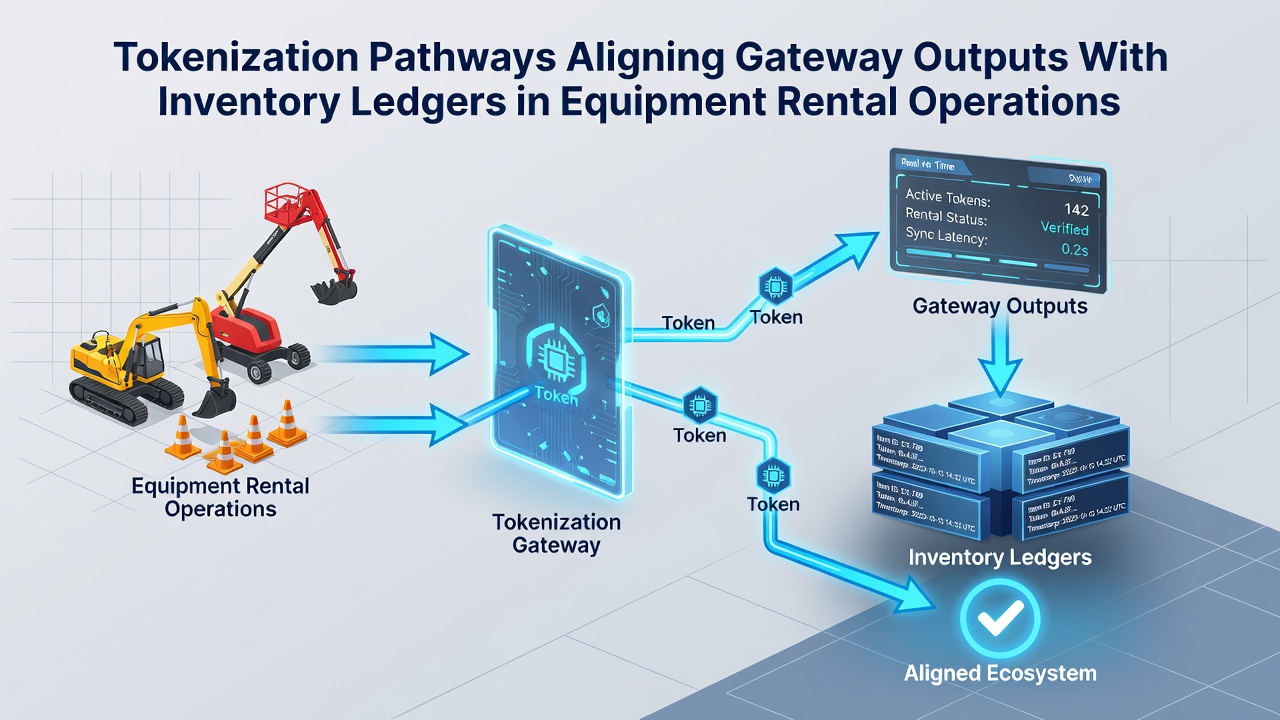
Integration layers often employ APIs that pull token data from gateways and push formatted updates into ledger software. The APIs carry fields for equipment category, location codes and condition notes collected at checkout so the ledger reflects both financial and operational changes in one pass. Those who've implemented these layers report fewer instances of double-booked assets because the token trail confirms payment before the system releases equipment for the next rental period.
Standards and Data Flows in August 2026 Context
Updated guidelines from the National Institute of Standards and Technology emphasize secure token formats that include metadata fields suitable for inventory linkage. Rental platforms adopting these formats in August 2026 can pass tokenized outputs through standardized schemas that inventory systems already recognize. The result appears in real-time dashboards where equipment availability updates coincide with payment confirmation timestamps.
Research from Canadian payment authorities highlights that cross-border rental operations benefit when tokens follow consistent formatting rules because ledgers in different jurisdictions can parse the same data structure. This consistency supports multi-location fleets where one token might represent charges across several regional sites yet still tie back to a central inventory record.
Practical Examples from Rental Networks
One regional provider of construction equipment implemented token-to-ledger mapping that flags when a rental period ends yet payment authorization remains open. The system holds the asset in a pending-return category until the token settles and the ledger confirms receipt of funds. This approach prevents early re-rental of items still tied to unresolved transactions.
Another case involves tool rental outlets that attach condition reports to the same token used for the original charge. When the customer returns damaged equipment the ledger entry generated from the token includes notes that trigger separate billing lines without creating new payment records. The single token thread keeps all related charges traceable back to the original rental agreement.
Conclusion
Tokenization pathways that feed gateway outputs into inventory ledgers create traceable connections between payments and physical assets in equipment rental operations. These connections rely on consistent data fields, API mappings and adherence to emerging security standards that keep both financial and operational records synchronized across daily cycles.