Integrating Inventory Oversight Platforms with Automated Billing Systems for Cyclical Sales Networks
Rafael Otto · Aug 22, 2026
Integrating Inventory Oversight Platforms with Automated Billing Systems for Cyclical Sales Networks
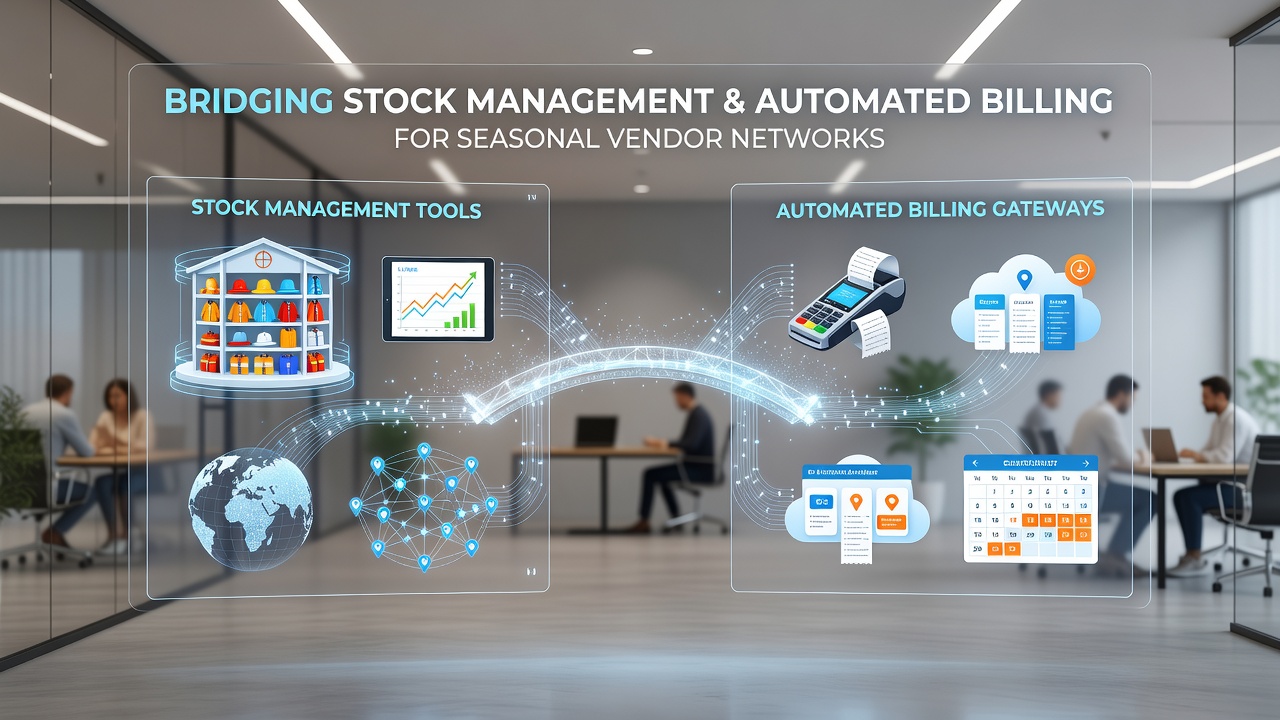
Seasonal vendor networks rely on precise coordination between inventory tracking applications and automated billing gateways to handle fluctuating demand periods such as holiday markets or harvest festivals. Data flows from stock monitoring tools directly into billing platforms so that product levels update in real time while charges process without manual intervention. Observers note that this linkage reduces discrepancies between physical goods on hand and financial records because the systems exchange information through standardized APIs. Those who manage temporary sales operations often find that integration points allow vendors to adjust orders dynamically as items sell out during peak hours. Research from industry reports indicates that networks using synchronized platforms report fewer stockouts and overcharges compared to disconnected setups. In August 2026 figures from regulatory bodies showed increased adoption rates among mobile operators who pair these tools for events lasting only weeks at a time.Core Mechanisms Behind the Connection
Stock management platforms collect data on quantities received, sold, and returned through barcode scans or RFID tags, then transmit that information to billing gateways via secure channels. Automated billing systems use the incoming data to generate invoices based on actual usage rather than estimates, which keeps charges aligned with available inventory. Experts have observed that this process incorporates rules for minimum stock thresholds so that reorders trigger before supplies run low during short selling windows.
Seasonal vendors benefit when the connection includes validation steps that cross-check item codes against billing catalogs to prevent mismatches. Compliance frameworks such as those outlined by the Financial Conduct Authority require encryption during these data transfers, and operators implement tokenization to protect card details while inventory records update. The reality is that without these safeguards, networks face higher risks of processing errors during high-volume periods like weekend fairs.
Operational Advantages Across Temporary Merchant Groups
Vendor alliances gain efficiency when inventory alerts feed straight into recurring charge setups for subscription-style access to shared storage or equipment. Studies from academic sources reveal that groups employing such bridges cut administrative time by linking sales data to payment schedules automatically. One example involves harvest networks where produce counts adjust billing cycles for delivery services without separate staff intervention.
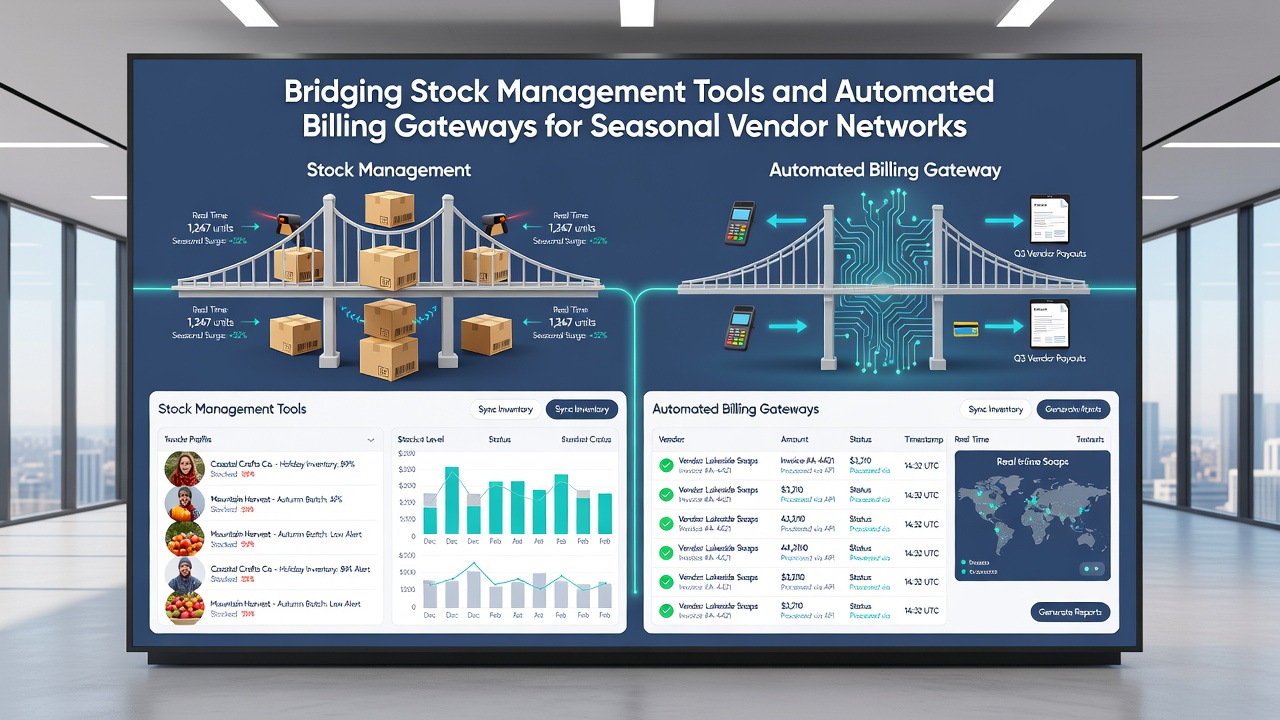
What's interesting is how the setup handles multi-location operations where one central stock database serves several billing endpoints across different event sites. Data indicates that error rates drop when gateways pull real-time quantities instead of relying on end-of-day batch uploads. Those managing these networks report smoother cash flow because charges reflect exact stock movements rather than projected volumes.
Regulatory and Security Considerations
Payment standards require that any bridge between stock tools and billing gateways maintains audit trails for every data exchange. Canadian regulatory guidance emphasizes regular testing of API endpoints to ensure inventory updates do not expose transaction details. Observers note that seasonal operations must also address data retention policies since vendor networks often dissolve after peak periods yet records need secure archiving.
Researchers discovered that platforms incorporating role-based access controls prevent unauthorized changes to stock levels that could affect billing accuracy. In practice this means only designated staff can approve inventory adjustments that trigger automatic charges. Figures from European studies show compliance improves when systems log both stock changes and associated payment authorizations together.
Implementation Patterns Observed in the Field
Networks in agricultural markets have adopted middleware layers that translate inventory formats into billing-ready structures without custom coding for each vendor. This approach allows small operators to join larger alliances quickly during limited seasons. Evidence suggests that training focuses on mapping product categories so that stock depletion automatically pauses or resumes billing streams.
Take one regional cooperative that synchronized its warehouse scanner output with a gateway handling daily vendor settlements. The connection enabled automatic credits for returned goods while maintaining accurate counts across multiple daily markets. What's significant is that such patterns scale when vendors rotate in and out of active status without disrupting ongoing billing cycles.
Conclusion
Bridging stock management tools and automated billing gateways creates reliable pathways for seasonal vendor networks to manage variable operations under consistent rules. Integration points ensure data accuracy across fluctuating periods while meeting established security benchmarks. Continued development in these connections supports networks that operate only during specific windows yet require the same precision as year-round systems.