Fortifying Merchant Gateways: PCI Strategies and Fraud Defenses in Digital Payment Streams
Rafael Otto · Apr 18, 2026
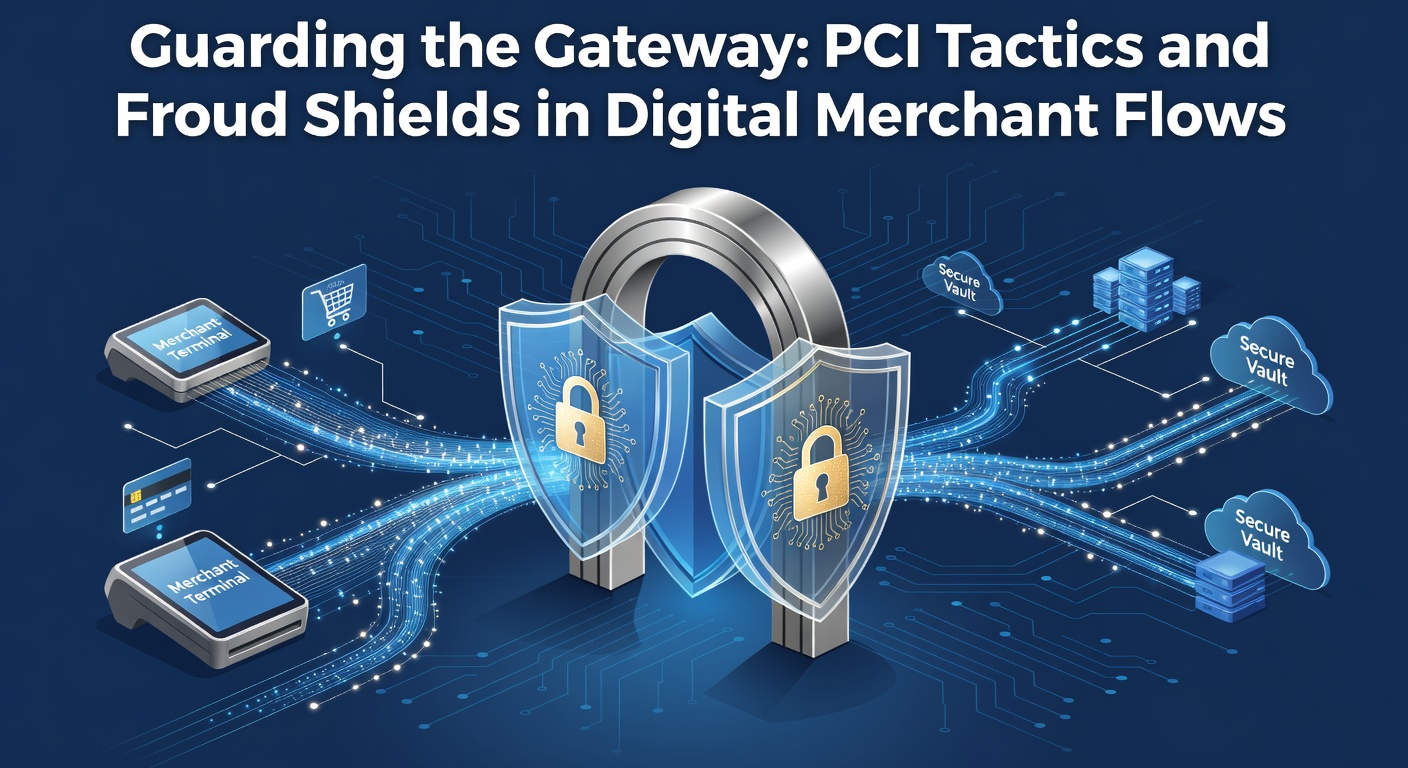
Fortifying Merchant Gateways: PCI Strategies and Fraud Defenses in Digital Payment Streams
Digital merchants navigate a landscape where payment fraud surges year after year, with global losses topping $41 billion in 2022 according to figures from Verizon's Data Breach Investigations Report, and those numbers climbing steadily since; experts observe that without robust PCI compliance and fraud defenses, businesses risk not just financial hits but also crippling reputational damage, especially as transactions explode in e-commerce channels.
What's interesting is how PCI DSS—the Payment Card Industry Data Security Standard—serves as the bedrock for securing cardholder data, mandating 12 core requirements that span everything from building secure networks to maintaining vigilant monitoring; merchants, whether processing thousands or millions of transactions, must align with these to avoid penalties that can reach six figures per month.
Decoding PCI DSS: The Foundation of Secure Merchant Flows
PCI DSS, overseen by the PCI Security Standards Council, categorizes merchants into levels based on transaction volume—Level 1 for over 6 million Visa transactions annually, down to Level 4 for smaller volumes—each demanding tailored validation like quarterly network scans or annual on-site audits; researchers note that non-compliance exposes systems to breaches where attackers exploit unpatched vulnerabilities, leading to data dumps on the dark web.
But here's the thing: the standard's evolution to version 4.0, published in 2022 with full enforcement ramping up through 2025, introduces "future-dated" requirements that emphasize continuous testing and multi-factor authentication, meaning by April 2026, all merchants will operate under these heightened standards without exception, and those dragging their feet now face audits that scrutinize automated compliance tools more rigorously than ever.
Core tactics start with Requirement 1: erecting firewalls and not using vendor-supplied defaults, which sounds basic yet blocks 30% of initial breach attempts per industry scans; then comes segmentation, where cardholder data environments isolate from public networks, preventing lateral movement by hackers who breach e-commerce fronts.
- Requirement 2 hardens systems against known exploits by changing defaults and removing unnecessary services.
- Requirement 3, the heavy hitter, protects stored card data through encryption or tokenization, slashing breach impacts since tokenized proxies hold no real value to thieves.
- Requirements 4 through 6 focus on transmission security, antivirus deployment, and timely patching—critical because unpatched software accounts for 60% of exploits, data indicates.
Access controls in Requirements 7 and 8 ensure unique IDs and strong authentication, while logging under 10 and 11 enables anomaly detection; regular testing via penetration scans keeps defenses sharp.
Implementing PCI Tactics: Practical Shields for Digital Gateways
Merchants embed these tactics into checkout flows by adopting hosted payment pages, where sensitive data never touches their servers—a move that satisfies multiple requirements at once and simplifies SAQ-A validation for Level 4 outfits; take one mid-sized retailer that shifted to iframes, cutting compliance scope dramatically while maintaining seamless user experience.
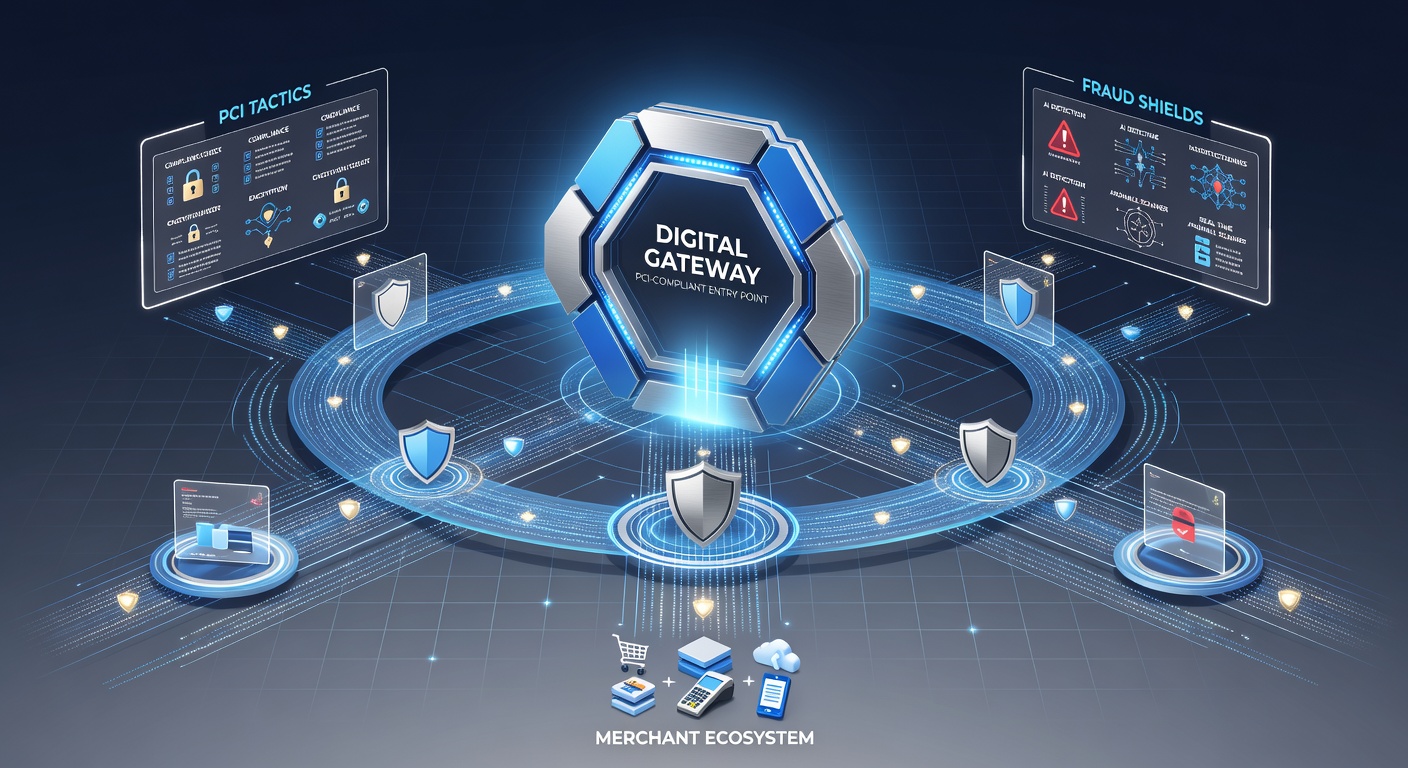
Tokenization stands out, replacing card numbers with unique identifiers linked server-side by processors, and since PCI 4.0 stresses scoping reductions, this tactic lets businesses vault toward compliance without overhauling infrastructure; encryption in transit via TLS 1.3, now mandatory, thwarts man-in-the-middle attacks that snag data mid-flight.
Now vulnerability management gets real: automated scanning tools like Qualys or Nessus run perpetually, flagging issues before they fester, and incident response plans—Requirement 12—drill quarterly, ensuring teams respond in hours, not days; observers note that Level 1 merchants, undergoing ROC audits, often discover rogue wireless access points as the weakest link, prompting immediate sweeps.
Training rounds out the picture, with annual sessions on phishing recognition since human error fuels 74% of breaches, studies reveal; smaller merchants lean on service providers for delegated compliance, but the ball's in their court to verify Qualified Integrators via PCI lists.
Fraud Shields: Beyond Compliance to Proactive Defense
PCI lays the groundwork, yet fraud demands layered shields like velocity checks that flag multiple transactions from one IP in minutes, or device fingerprinting capturing browser traits to spot account takeovers; machine learning models analyze patterns in real-time, scoring risks and blocking anomalies before authorization hits.
3D Secure 2.0, mandated in many regions, adds frictionless authentication via biometrics or risk signals, reducing chargebacks by 70-80% for participating merchants; data from EMVCo shows frictionless flows succeeding 90% of the time, balancing security with conversion rates that dip less than 1%.
But here's where it gets interesting: behavioral analytics track mouse movements adn typing rhythms, outing bots that mimic humans, while geo-location blocks cross-border oddities unless whitelisted; one e-commerce platform integrated these, slashing fraud rates from 2.5% to 0.3% within quarters, case studies document.
Chargeback management ties in, with tools parsing disputes via AI to automate evidence submission, and rules engines dynamically adjusting thresholds based on historical data; network tokenization from Visa or Mastercard provisions one-time cryptograms, rendering intercepted data useless post-transaction.
- Real-time decisioning engines query blacklists and global fraud databases.
- Account takeover defenses mandate secondary factors like SMS OTPs or app pushes.
- Card testing mitigation caps declines per bin range, starving brute-force attacks.
Integration happens at the gateway: payment orchestrators route high-risk transactions through enhanced scrutiny paths, optimizing approvals while minimizing false positives that frustrate legitimate buyers.
Real-World Applications and Lessons from the Field
Consider a European fashion retailer hit by a carding spree in 2023; they layered PCI tactics with ML fraud scoring, token services, and 3DS, dropping losses from €500k to under €50k annually, and their post-implementation audit confirmed scope reduction success; similar patterns emerge in Asia-Pacific, where rapid e-commerce growth amplifies risks, prompting gateways to bundle these defenses natively.
Australia's competition watchdog highlights rising scams in digital payments, urging multi-tool stacks since single defenses falter against sophisticated mules; merchants there, processing via aggregated gateways, report 40% fraud drops after PCI refreshes aligned with local mandates.
Yet challenges persist: balancing security with speed, as overzealous rules tank conversions by 5-10%, so A/B testing refines thresholds; cloud migrations complicate segmentation, but VPCs and private links resolve that, keeping data flows PCI-tight.
April 2026 looms with PCI 4.0's custom requirements live, demanding tailored controls like E2E encryption for in-app payments, and regulators worldwide—like Canada's Office of the Superintendent—echo this by tying fines to audit findings.
Navigating the Horizon: Emerging Trends in Gateway Security
AI-driven threats evolve, spawning deepfake authentications that bypass static checks, so next-gen shields incorporate liveness detection and quantum-resistant crypto; regulations tighten too, with EU's PSD3 previewing stricter liability shifts onto unprepared merchants.
Blockchain pilots for shared fraud intel across networks promise collaborative defenses, while passkeys from FIDO Alliance phase out passwords, embedding PCI-friendly auth natively; those who've tested report 99% reduction in credential stuffing.
Gateway providers consolidate, offering turnkey PCI+Fraud suites that handle 99.99% uptime, and data portability mandates ensure merchants switch without re-tokenizing en masse.
Wrapping Up Secure Flows
PCI tactics and fraud shields form an interlocking bulwark for digital merchant gateways, where compliance meets proactive hunting to stem billions in losses; businesses that weave tokenization, ML monitoring, and rigorous testing into flows not only meet standards but thrive amid rising threats, especially as 2026 deadlines sharpen focus. Experts emphasize starting with gap assessments, layering defenses iteratively, since the writing's on the wall: unsecured gateways invite disaster, while fortified ones unlock scalable growth.