Following the Authorization Chain: How APIs Bridge Merchant Accounts and Mobile POS Units Under PCI Compliance for Recurring Credits
Yves Brooks · Aug 13, 2026
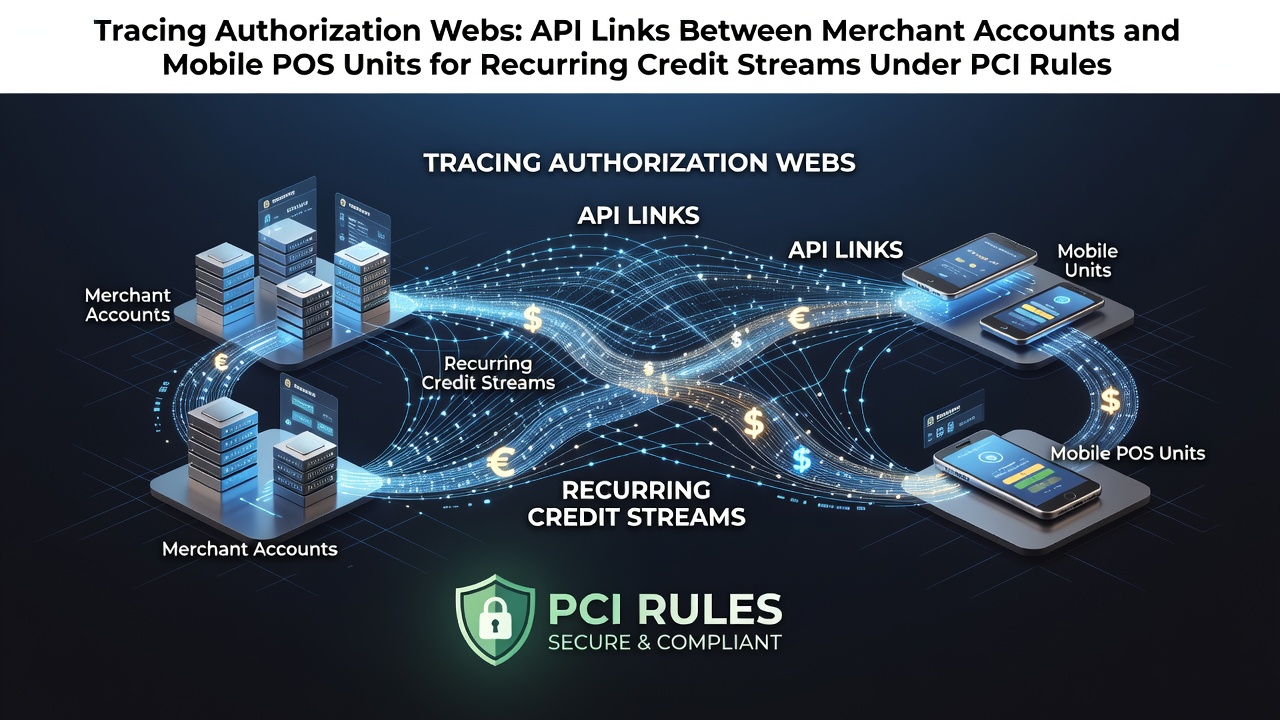
Following the Authorization Chain: How APIs Bridge Merchant Accounts and Mobile POS Units Under PCI Compliance for Recurring Credits
Authorization pathways in payment ecosystems involve multiple layers where APIs serve as the primary connectors between merchant accounts and mobile POS units, especially when handling recurring credit streams that must align with PCI DSS requirements, and these systems process tokens rather than raw card data to maintain security across each transaction cycle.
Core Components of Authorization Webs
Merchant accounts establish the foundation for any recurring arrangement, and mobile POS devices capture initial card details before converting them into tokens through secure API calls that route back to the processor for validation, while PCI rules mandate that sensitive authentication data never persists beyond the initial authorization request. Data from industry reports shows that tokenization reduces the scope of compliance audits because only the token travels through subsequent recurring charges rather than full card numbers.
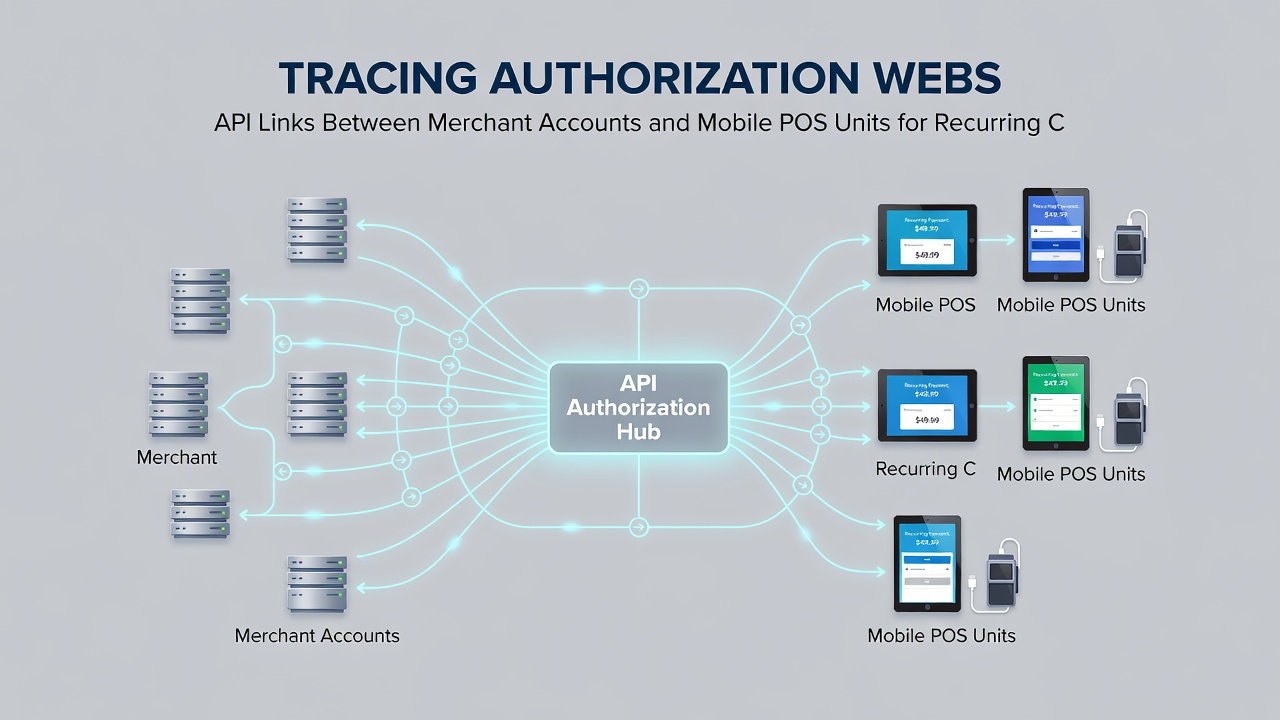
APIs handle the authorization web by sending structured requests that include merchant identifiers, transaction amounts, and subscription references, then they receive responses that confirm approval or decline status before the mobile POS unit updates its local records. Observers note that this flow becomes more complex when vendors operate across multiple locations because each device must sync with a central merchant profile without creating duplicate authorization trails that could flag compliance reviews.
PCI DSS Requirements in Recurring Mobile Scenarios
PCI DSS version 4.0 emphasizes strong access controls and encryption for any system touching cardholder data, and mobile POS units fall under these standards when they connect to merchant accounts for recurring deductions, so organizations must segment networks to prevent unauthorized access during API transmissions. Research indicates that failures often stem from improper key management rather than the API code itself, which is why rotation schedules receive particular attention during assessments.
Those who've studied these integrations find that recurring streams require stored credentials that meet specific PCI storage guidelines, including the use of strong cryptography and limited retention periods, while mobile devices add the variable of physical security because terminals can be lost or stolen yet still hold active tokens linked to merchant accounts.
Practical Integration Patterns Observed in the Field
Take one regional vendor network that linked portable readers to subscription platforms through standardized API endpoints, and the setup allowed daily reconciliation without exposing card details because each authorization request carried only the token plus a unique subscription identifier. This approach satisfied auditors because the merchant account maintained the mapping table separately from the device itself.
Another case revealed that independent operators in dynamic markets often rely on third-party gateways to manage the authorization web, yet the PCI responsibility remains with the merchant account holder who must verify that the gateway's API endpoints meet current encryption benchmarks. As of August 2026, several regulatory updates clarified the documentation needed for these gateway connections when recurring credits span multiple jurisdictions.
Monitoring and Maintenance of Authorization Routes
Continuous monitoring tools track every API call between the mobile POS and the merchant account, logging timestamps, response codes, and token references so that anomalies surface quickly during recurring charge attempts. Experts have observed that proactive logging reduces the time required to trace an authorization failure back to its source in the web of connected systems.
Those managing larger fleets of devices schedule regular API health checks that simulate recurring transactions to confirm that tokens remain valid and that merchant account settings have not drifted from PCI requirements. Data shows these checks catch configuration drift before it affects actual customer billing cycles.
Conclusion
Authorization webs rely on precise API links that keep merchant accounts synchronized with mobile POS units while preserving PCI compliance across recurring credit streams, and the patterns described here reflect standard practices documented by payment security organizations. Organizations seeking further details can consult the PCI Security Standards Council resources or review guidance from the Australian Communications and Media Authority on related data protection expectations. These connections continue to evolve as device capabilities and regulatory expectations shift over time.