Encryption Standards Bridging Support Channels in Handheld Subscription Networks
Yves Brooks · Jun 23, 2026
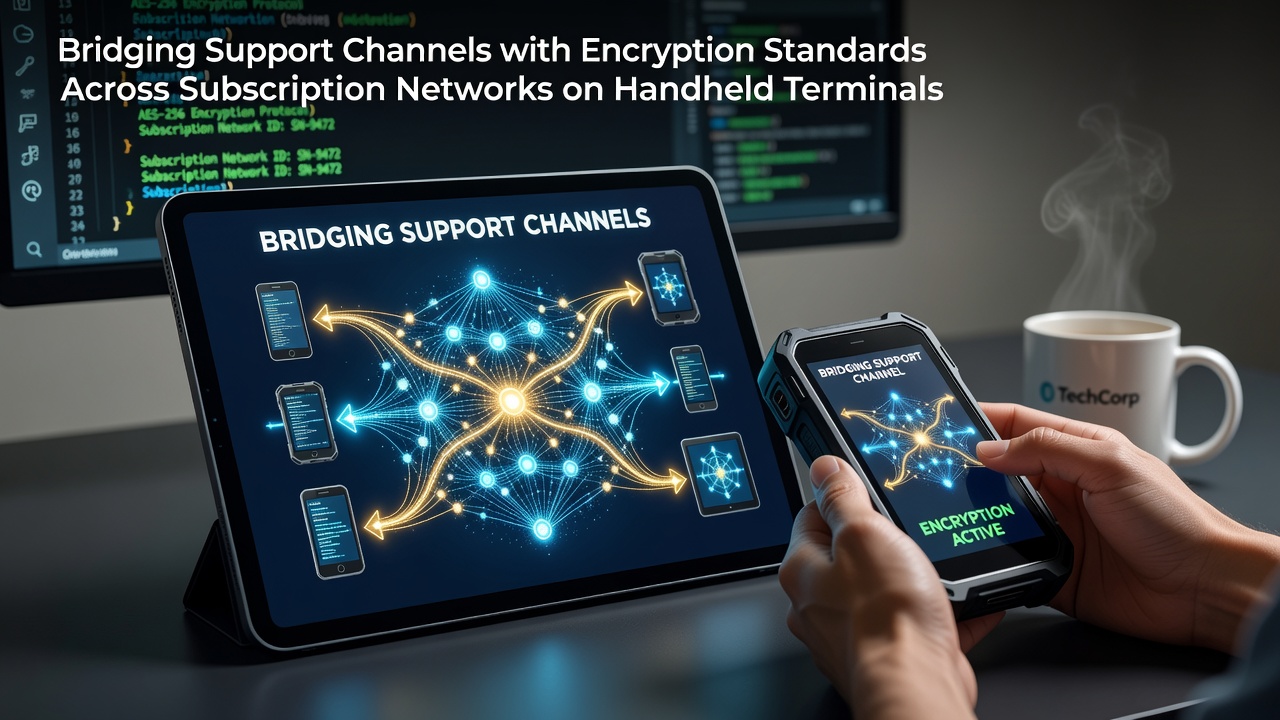
Encryption Standards Bridging Support Channels in Handheld Subscription Networks
Handheld terminals now handle recurring subscription payments for vendors who operate in dynamic markets, and these devices rely on encryption standards that protect transaction data while support channels provide real-time assistance for setup and ongoing compliance. Research indicates that integration between these elements occurs through secure protocols that allow technicians to diagnose issues without exposing sensitive keys or customer information, and data shows this approach reduces downtime for operators who process monthly charges on portable hardware.
According to industry reports, handheld devices transmit authorization requests across subscription networks where encryption methods such as AES-256 and TLS 1.3 form the baseline for data protection. Observers note that support teams access encrypted logs through dedicated portals that maintain separation between diagnostic tools and live payment streams, and this separation aligns with guidelines from the PCI Security Standards Council. Those who manage mobile point-of-sale systems often discover that bridging support functions with encryption benchmarks requires coordinated key rotation schedules, which prevent unauthorized access during remote troubleshooting sessions.
Technical Pathways for Secure Assistance
Support channels connect to handheld terminals through authenticated sessions that enforce encryption at every hop, and this process begins when a merchant initiates a help request via an application interface on the device itself. The system generates a temporary token that routes the query to certified technicians who operate under strict access controls, while the terminal continues to encrypt all recurring billing data in transit and at rest. Figures from regulatory reviews reveal that such configurations meet standards outlined in updates scheduled for June 2026, when additional requirements for multi-factor authentication in support environments are expected to take effect across multiple regions.
Technicians receive only metadata about transaction failures rather than full card details, and this limited visibility stems from tokenization practices that replace sensitive elements with non-reversible values. One study conducted by researchers at the European Union Agency for Cybersecurity highlighted how these methods allow rapid resolution of onboarding problems for subscription services without compromising the cryptographic integrity of the network. Operators in various markets have implemented similar frameworks, and evidence suggests that consistent application of these protocols supports compliance across different handheld models used by independent vendors.
Key Management and Remote Diagnostics
Encryption key rotation forms a central component when support personnel interact with subscription networks on portable terminals, and automated systems schedule these rotations at intervals that comply with established benchmarks. During a support call, the terminal can receive updated keys through encrypted channels that verify both the source and the integrity of the transmission, and this mechanism prevents exposure even if a session is interrupted. Data collected from field deployments shows that terminals equipped with hardware security modules handle these updates more reliably, and vendors who adopt such modules report fewer interruptions in recurring charge processing.
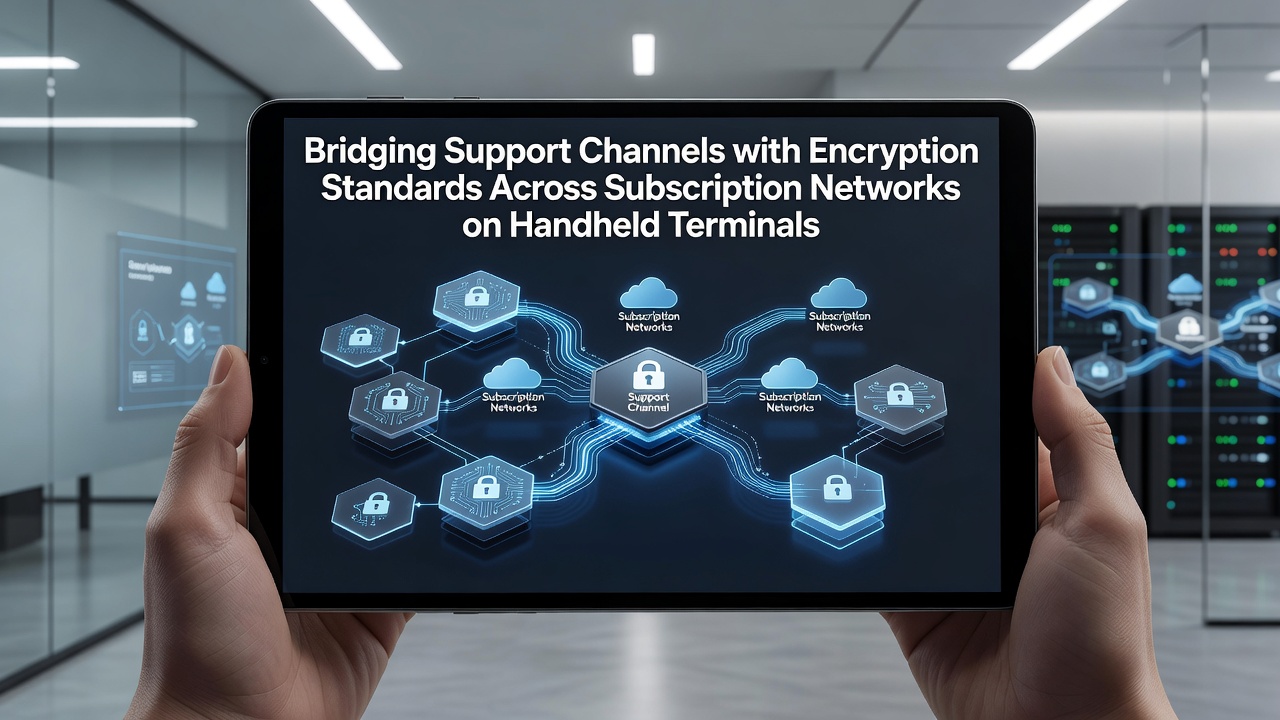
Remote diagnostics tools scan for configuration drift while maintaining end-to-end encryption, and alerts trigger only when anomalies appear in the encrypted payload rather than in raw data. According to findings from the Australian Payments Network, this approach has helped align support operations with regulatory expectations in regions that emphasize data minimization during assistance interactions. Those managing large fleets of devices often coordinate key updates through centralized platforms that log every access attempt, creating audit trails that satisfy inspection requirements without direct intervention on individual terminals.
Regional Adaptations and Compliance Alignment
Implementation varies by jurisdiction, with North American operators focusing on PCI-DSS alignment while European counterparts incorporate additional layers from ENISA recommendations. Support channels adapt by offering region-specific guidance that references local encryption mandates, and handheld terminals receive firmware adjustments that embed these requirements directly into their operating systems. Research from Canadian financial oversight bodies indicates that cross-border subscription networks benefit when support protocols include standardized encryption reporting formats, which simplify audits for merchants who operate in multiple areas.
Case examples demonstrate that vendors who link their support requests to encrypted diagnostic modules experience faster resolution times for issues related to recurring billing failures. The process involves the terminal sending hashed error codes to the support portal, where algorithms compare them against known patterns without decrypting the underlying transaction stream. This method preserves confidentiality and supports the broader goal of maintaining continuous operation for subscription services delivered through portable hardware.
Future Developments in Integrated Systems
Advancements scheduled around June 2026 include enhanced support interfaces that incorporate machine learning to predict encryption-related issues before they affect subscription processing. These tools will analyze patterns in encrypted traffic metadata and suggest preemptive actions through secure support channels, and initial testing shows reduced incident rates when such predictive elements are active. Handheld terminals will continue to serve as the endpoint for these interactions, with built-in capabilities that allow seamless bridging between assistance requests and cryptographic maintenance tasks.
Conclusion
Integration of support channels with encryption standards across subscription networks on handheld terminals relies on tokenization, key rotation, and authenticated diagnostic pathways that keep payment data protected throughout assistance processes. Regulatory timelines, including those set for June 2026, continue to shape these practices as operators adopt configurations that meet evolving benchmarks while enabling efficient merchant support. Evidence from multiple sources confirms that these combined approaches sustain secure recurring transactions for vendors who depend on portable devices in diverse operational settings.