Encryption Defenses for Recurring Mobile Payments in Independent Operations
Yves Brooks · Jul 9, 2026
Encryption Defenses for Recurring Mobile Payments in Independent Operations
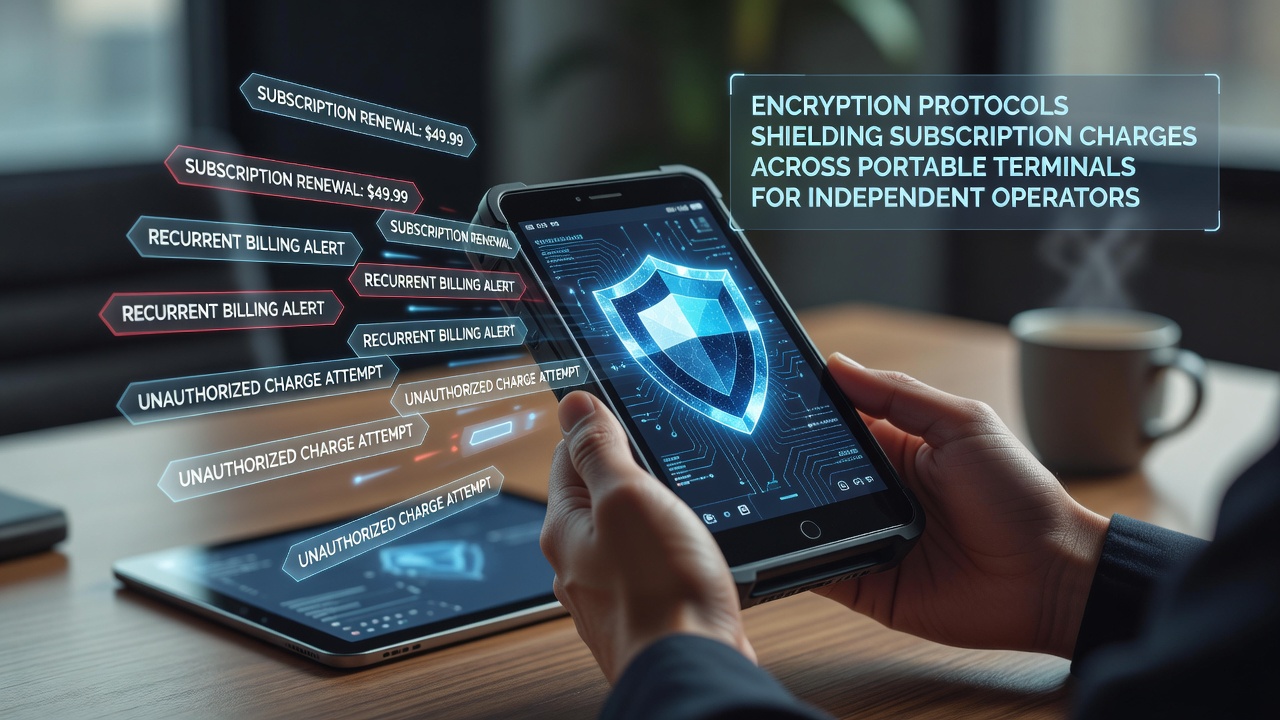
Independent operators rely on portable terminals to process recurring subscription charges while encryption protocols form the core layer that shields transaction data from interception during transmission and storage, and standards such as AES-256 combined with TLS 1.3 create end-to-end protection that meets regulatory benchmarks across multiple jurisdictions.
Those who manage mobile point-of-sale systems often discover that symmetric encryption algorithms handle bulk data quickly whereas asymmetric methods secure key exchanges, and this dual approach prevents unauthorized access even when devices operate on public networks, yet implementation requires careful configuration because weak defaults can expose vulnerabilities.
Core Protocols in Use
Research from the National Institute of Standards and Technology outlines how AES remains the approved standard for encrypting sensitive payment information on handheld devices, while TLS protocols manage secure channels between terminals and payment processors so subscription details stay protected throughout each billing cycle. Observers note that key rotation schedules further reduce risks because static keys become targets over time, and independent operators who follow rotation intervals maintain compliance without interrupting service flows.
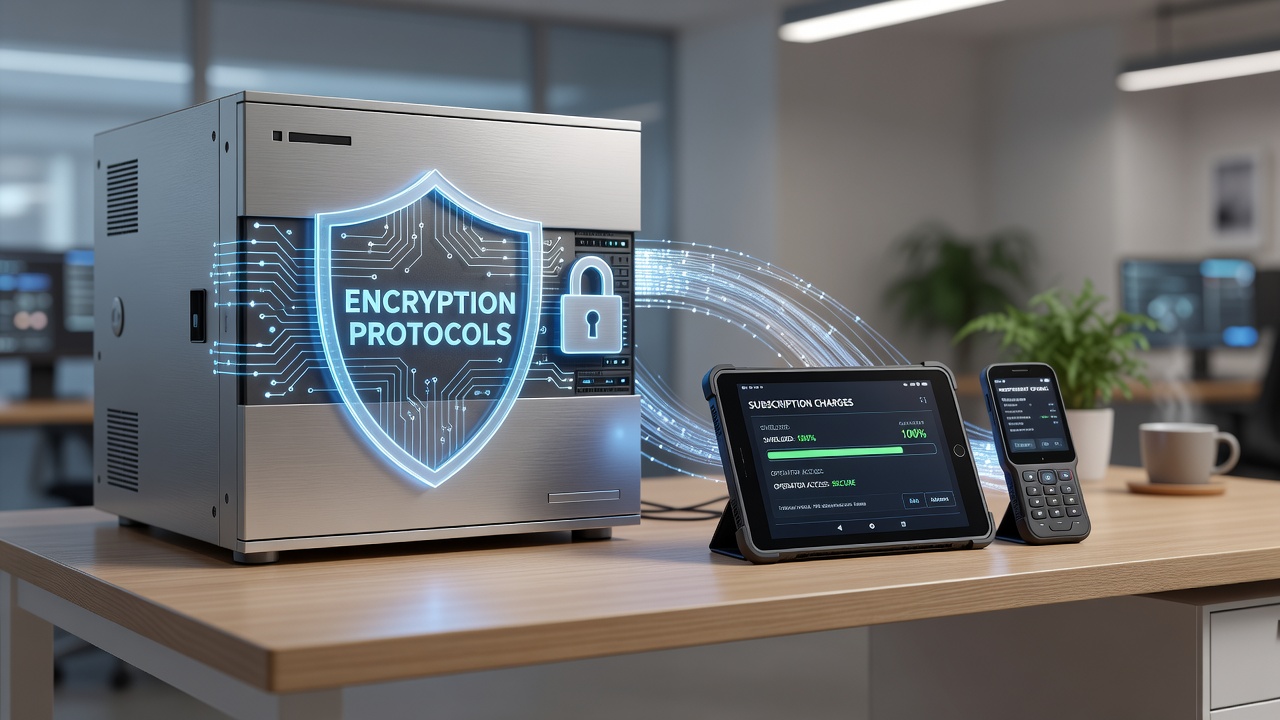
Portable terminals integrate these protocols through hardware security modules that store cryptographic material separately from the main processor, and this separation limits exposure if physical devices are compromised, yet software updates must align with the same standards to avoid introducing weaker legacy algorithms during firmware upgrades.
Regulatory Alignment Across Regions
Data shows that the European Union Agency for Cybersecurity provides guidance on encryption requirements that align with broader data protection rules, and independent operators in that region apply these measures to recurring charges processed on mobile equipment, whereas North American frameworks emphasize similar encryption minimums through industry-led specifications. What's interesting is how both sets of rules converge on the need for authenticated encryption modes that prevent tampering with subscription metadata during transit.
Independent vendors who link their portable readers to subscription platforms must ensure that encryption covers not only card data but also recurring authorization tokens, and failure to encrypt these elements fully can lead to compliance gaps when auditors review transaction logs from July 2026 onward under updated validation procedures.
Implementation Practices for Operators
Those who've studied deployment patterns find that terminals configured with certificate pinning reduce man-in-the-middle risks during subscription renewals, and this technique works alongside protocol-level protections to verify that connections reach only authorized endpoints. Independent operators typically test these configurations in staged environments before rolling them out to field devices, and the process includes verification that encryption remains active even when network conditions force fallback modes.
Key management services provided by payment processors allow operators to rotate credentials remotely without physical access to each terminal, and this capability proves essential for businesses that scale across multiple locations while maintaining consistent protection levels for recurring revenue streams. But here's the thing: documentation of these rotations forms part of audit trails that regulators examine during periodic reviews.
Challenges and Technical Responses
Portable devices face constraints around processing power and battery life that can affect encryption performance, yet modern chipsets now include dedicated cryptographic accelerators that handle AES operations without noticeable delays during high-volume subscription processing. Researchers discovered that offloading encryption tasks to these accelerators preserves device responsiveness while meeting the throughput demands of recurring billing schedules.
Independent operators also address firmware integrity through signed updates that verify encryption libraries before installation, and this step prevents introduction of altered code that might weaken protocol strength. Evidence suggests that combined hardware and software checks reduce the window for successful attacks on mobile terminals used in dynamic environments.
Conclusion
Encryption protocols continue to evolve in response to emerging threats against subscription data on portable terminals, and independent operators who adopt current standards position their recurring charge systems to meet both technical and regulatory expectations. Continued monitoring of protocol updates ensures that protection layers remain effective as payment ecosystems change over time.