Coordinating Support Systems for Protocol Synchronization in Mobile Subscription Authorization Networks
Yves Brooks · Aug 31, 2026
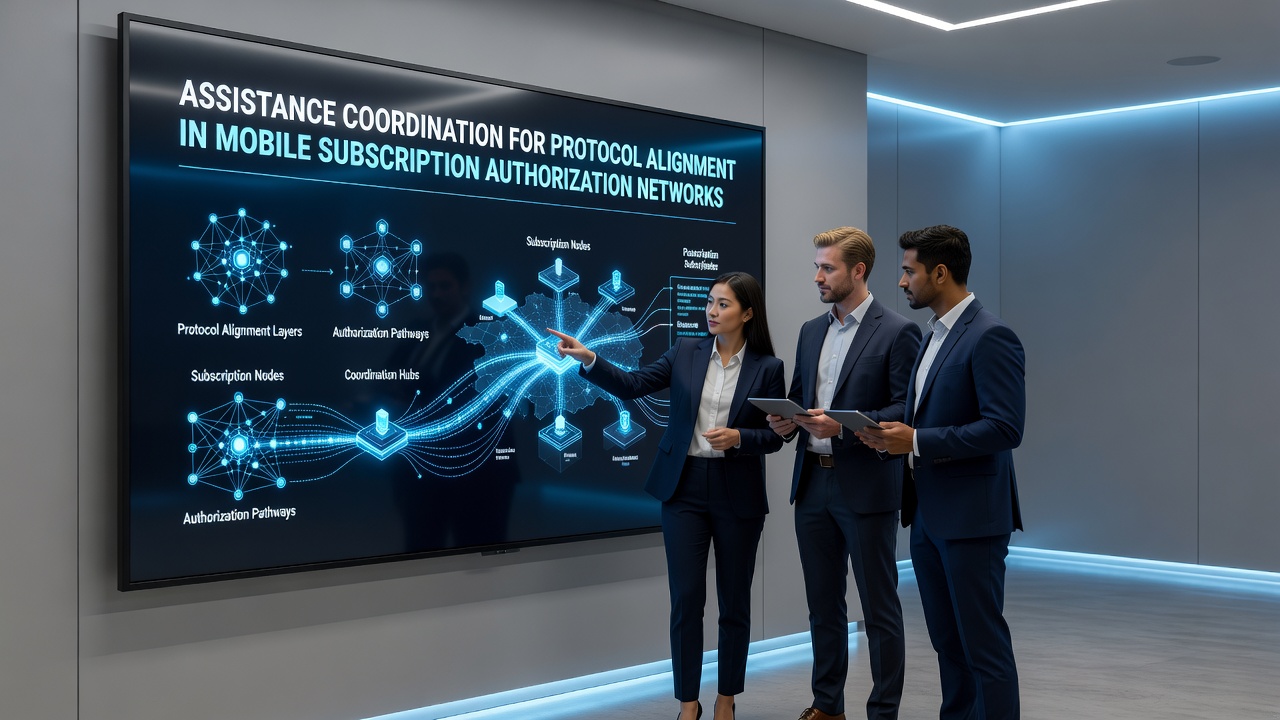
Coordinating Support Systems for Protocol Synchronization in Mobile Subscription Authorization Networks
Assistance coordination plays a central role in maintaining protocol alignment across mobile subscription authorization networks, where operators manage authentication sequences, data routing, and access controls for millions of active subscriptions. Network providers rely on structured support channels to synchronize updates between core systems and edge devices, ensuring that authorization requests process without interruption while meeting regional compliance requirements.
Core Elements of Coordination Frameworks
Support teams establish dedicated pathways that connect field technicians with central protocol teams, and these pathways allow rapid distribution of alignment patches when discrepancies arise in subscription validation modules. Data from industry reports shows that coordinated assistance reduces synchronization delays by integrating real-time monitoring tools with standardized response protocols, while operators in multiple regions track metrics such as authorization success rates and latency spikes through shared dashboards.
Those who oversee these networks often implement tiered escalation procedures, so initial queries route through automated systems before human specialists intervene on complex mismatches involving encryption handshakes or roaming agreements. Research from telecommunications standards groups indicates that consistent use of these procedures improves alignment accuracy, particularly when networks handle high volumes of recurring subscription renewals.
Technical Processes Driving Alignment
Mobile authorization networks operate through layered protocols that verify subscriber credentials against central registries, and assistance coordination ensures each layer remains consistent after firmware updates or policy changes. Technicians receive guided sequences that walk through verification steps, allowing them to confirm that mobile endpoints match the expected protocol versions before full deployment.
Studies conducted by research institutions reveal that alignment issues frequently surface during network expansions or when new device types enter the ecosystem, and coordinated support mitigates these by maintaining version-controlled repositories accessible to authorized personnel. In practice, teams cross-reference logs from multiple nodes to isolate deviations, then apply targeted corrections that preserve overall network integrity.
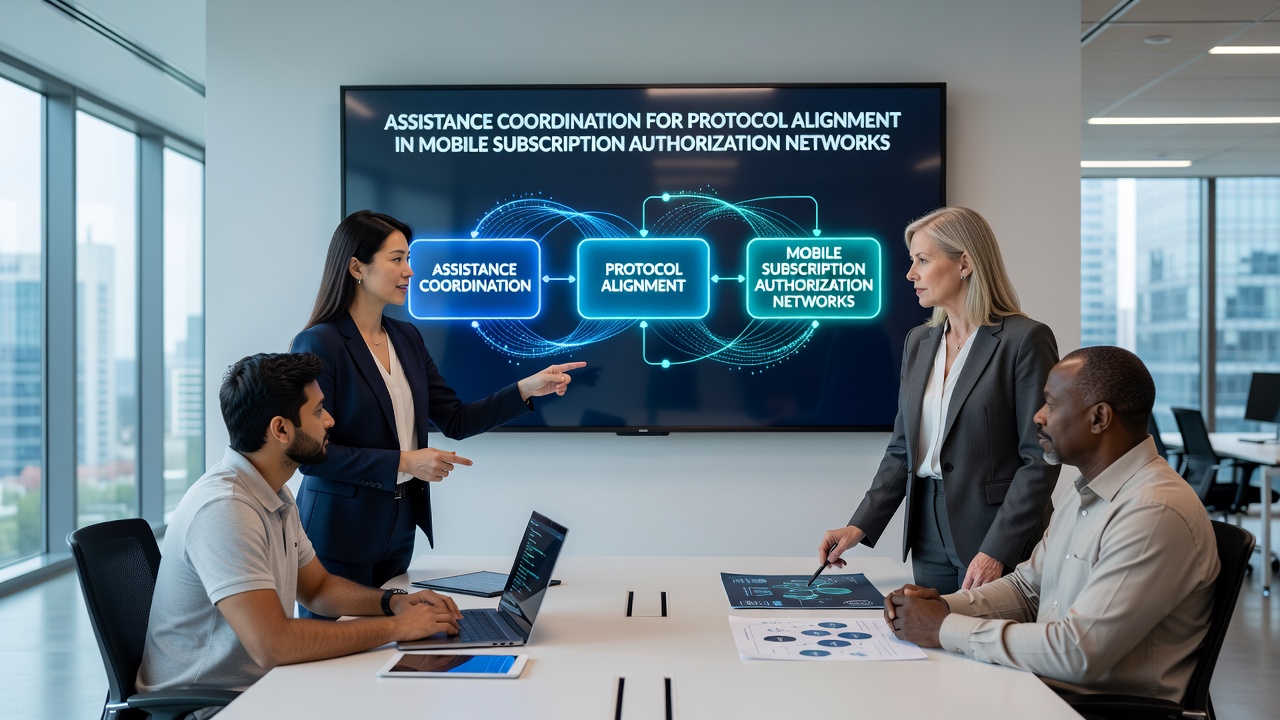
Regional Regulatory Influences on Coordination
Regulatory bodies across different jurisdictions shape how assistance coordination functions within mobile subscription systems, with guidelines that emphasize secure data handling and timely protocol updates. The Australian Communications and Media Authority has issued directives requiring documented coordination logs for authorization events, while similar frameworks in Canada focus on cross-border roaming compatibility.
According to findings published by the European Union Agency for Cybersecurity, standardized assistance protocols help operators meet encryption benchmarks during subscription authorization cycles, and network providers adapt their internal workflows accordingly. Observers note that these requirements gain added relevance as networks prepare for anticipated specification revisions scheduled around August 2026, when several regional authorities plan to introduce updated validation criteria.
Operational Examples from Network Deployments
One large-scale deployment in Southeast Asia demonstrated how coordinated assistance resolved protocol drift between legacy base stations and newer authorization servers, with support teams using shared diagnostic platforms to align configurations across hundreds of sites. Another instance in North America involved independent operators who linked portable terminals to subscription management systems, and assistance channels provided step-by-step guidance that kept authorization flows compliant during peak usage periods.
Figures from industry analyses show that networks employing structured coordination report fewer authorization failures compared with those relying on ad-hoc fixes, while the approach supports scalability when subscription bases expand rapidly. Teams document each intervention to build reference materials that future staff can consult during similar events.
Future Considerations for Sustained Alignment
Continued evolution of mobile subscription authorization networks depends on refining coordination mechanisms to accommodate emerging device categories and service models, and operators continue to invest in training programs that prepare support personnel for these shifts. Data indicates that proactive alignment efforts correlate with improved reliability metrics across diverse geographic markets.
Conclusion
Assistance coordination serves as the operational backbone that keeps protocol alignment intact within mobile subscription authorization networks, supporting consistent performance under varying regulatory and technical conditions. Through documented processes, shared monitoring resources, and region-specific adaptations, network operators maintain the synchronization required for secure and efficient subscription management.