Coordinating Mobile Terminals with Cyclical Charge Schedules for Independent Operators Under Regulatory Frameworks
Morgan Brooks · Jul 11, 2026
Coordinating Mobile Terminals with Cyclical Charge Schedules for Independent Operators Under Regulatory Frameworks
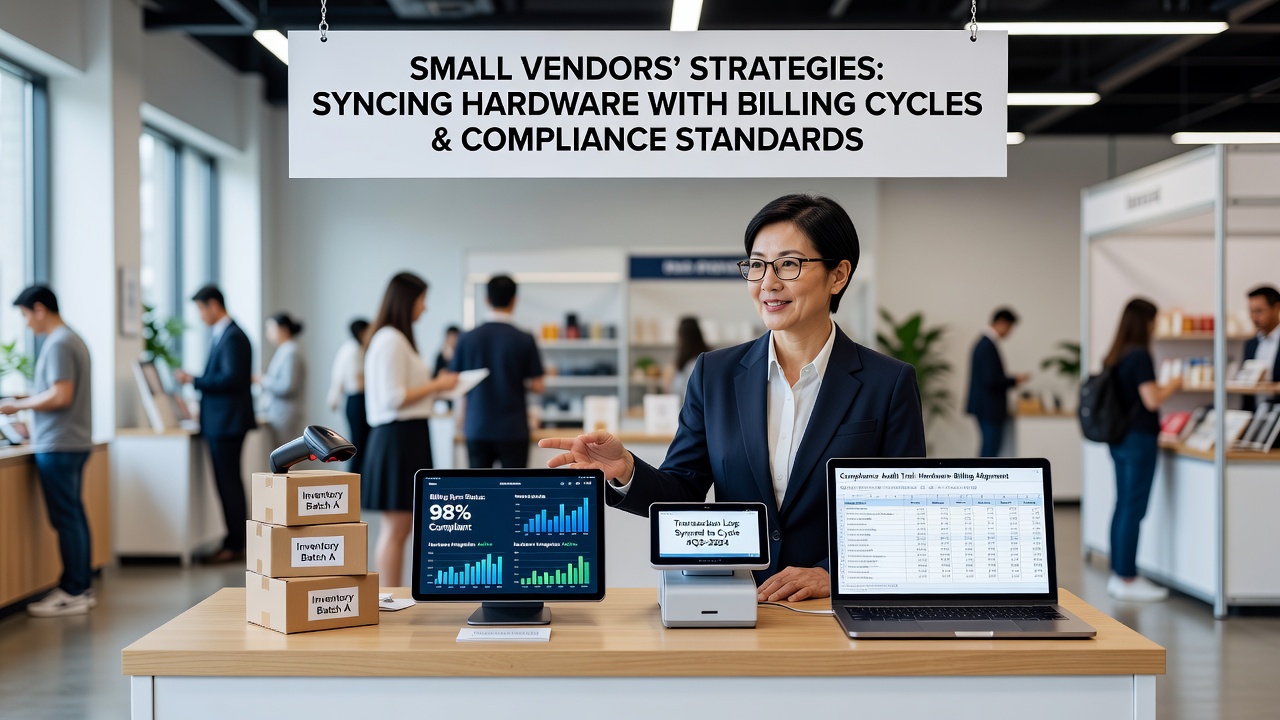
Small vendors who operate street carts, pop-up stalls, and mobile services face distinct requirements when linking portable card readers to recurring payment schedules, and data from industry reports shows these operators must balance hardware timing with software cycles while adhering to data security rules. Research indicates that portable terminals often connect through APIs to subscription platforms, allowing charges to process on fixed intervals without manual intervention each month.
Integration Methods That Align Device Timing and Billing Intervals
Operators typically configure mobile terminals to communicate with cloud-based billing engines using encrypted connections, and this setup ensures that transaction requests trigger at the start of each billing period rather than during random windows. According to the PCI Security Standards Council, tokenization replaces card details with unique identifiers so that recurring deductions occur without storing sensitive account numbers on the device itself. Those who manage multiple locations often schedule synchronization tasks during off-peak hours to prevent network congestion, while batch processing groups several vendors' transactions into consolidated reports that match monthly statements.
Hardware firmware updates play a central role because newer versions include timing protocols that match billing calendars automatically, and vendors receive these updates through secure over-the-air channels that maintain PCI-DSS requirements. Studies from payment processing networks reveal that devices running outdated firmware experience desynchronization rates up to three times higher than those updated quarterly.
Compliance Protocols That Govern Recurring Mobile Transactions
Regulatory frameworks require encryption of data both at rest and in transit, which means every recurring charge initiated from a portable reader must travel through channels that meet current standards for key management and rotation. The European Data Protection Board guidelines emphasize consent management features that allow customers to review and cancel subscriptions directly through the vendor interface, reducing disputes that could trigger chargebacks. Independent operators document each authorization pathway so that auditors can trace how a charge moves from the terminal through the gateway to the billing system.
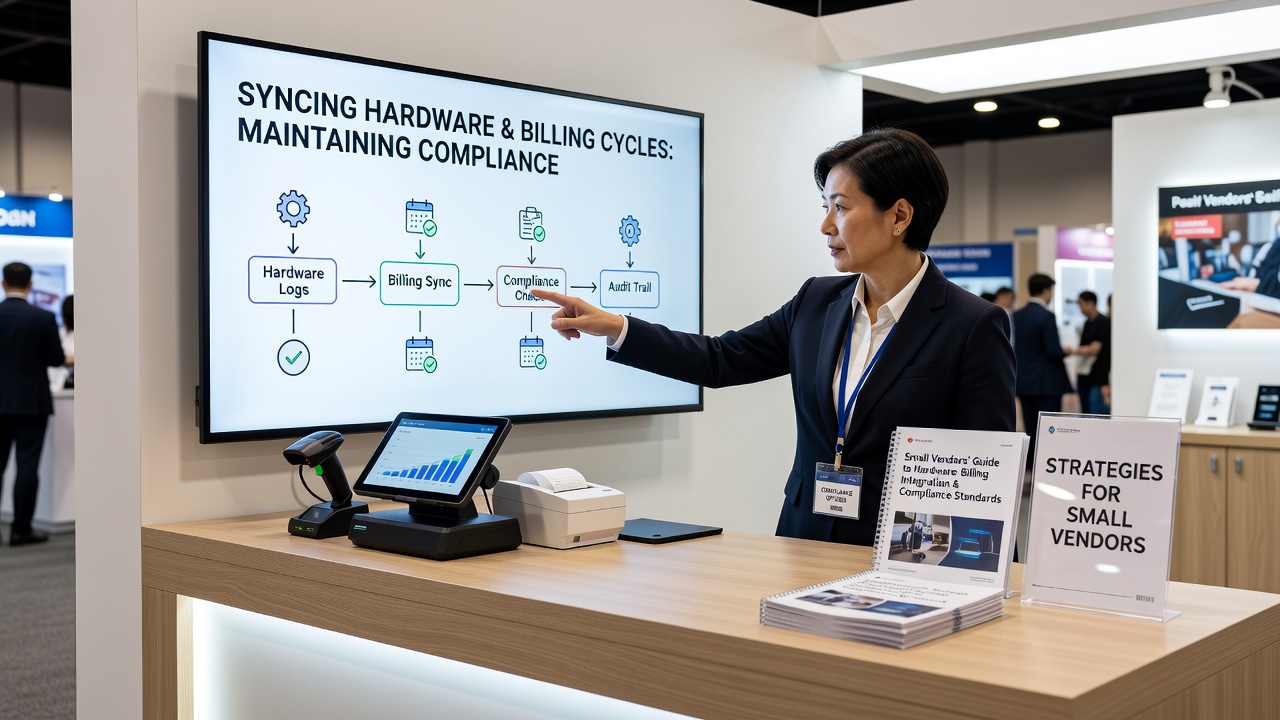
Regular audits conducted by certified assessors verify that access controls prevent unauthorized personnel from altering billing parameters, and these assessments occur at least annually with interim self-checks performed monthly. Figures from regulatory filings indicate that vendors who implement multi-factor authentication on terminal management portals experience 40 percent fewer compliance incidents compared with those using single-factor logins.
Practical Approaches Observed Among Local Operators
One group of farmers' market vendors in Australia adopted centralized dashboards that pull billing data from each terminal nightly, allowing them to reconcile hardware logs against subscription records before the next cycle begins. Another set of operators in Canada integrated GPS-enabled readers that pause recurring charges automatically when devices move outside approved service zones, a measure that aligns with local data residency rules. Training programs provided by payment processors teach staff how to verify that device clocks remain synchronized with billing servers, since time drift of even a few minutes can cause charges to post on incorrect dates.
Software tools now include calendar overlays that display both hardware maintenance windows and upcoming billing dates side by side, and this visual approach helps operators anticipate conflicts before they affect customers. Data collected through these tools shows that proactive calendar management reduces failed transaction attempts by roughly one quarter.
Developments Expected Around July 2026
Industry observers note that several regional payment networks plan to introduce mandatory device attestation requirements effective in July 2026, meaning terminals must cryptographically prove their software integrity before initiating any recurring transaction. Vendors who begin testing attestation features in advance can avoid service interruptions once the new rules take effect. Additional updates to key rotation schedules are also anticipated, requiring shorter intervals between encryption key changes for devices handling high volumes of subscription payments.
Conclusion
Coordinating mobile hardware with recurring billing cycles demands consistent attention to both technical synchronization and regulatory adherence, and operators who combine tokenization, scheduled updates, documented authorization paths, and regular audits maintain smoother operations. Resources such as the PCI Security Standards Council documentation and guidance from the European Data Protection Board provide detailed frameworks that small vendors can apply directly to their setups. Those who monitor forthcoming changes scheduled for July 2026 position themselves to meet evolving requirements without disrupting customer payment flows.