Connecting Protocols and Accounts: Underwriting Processes for Subscription Services in Pop-Up Retail
Yves Brooks · Aug 11, 2026
Connecting Protocols and Accounts: Underwriting Processes for Subscription Services in Pop-Up Retail
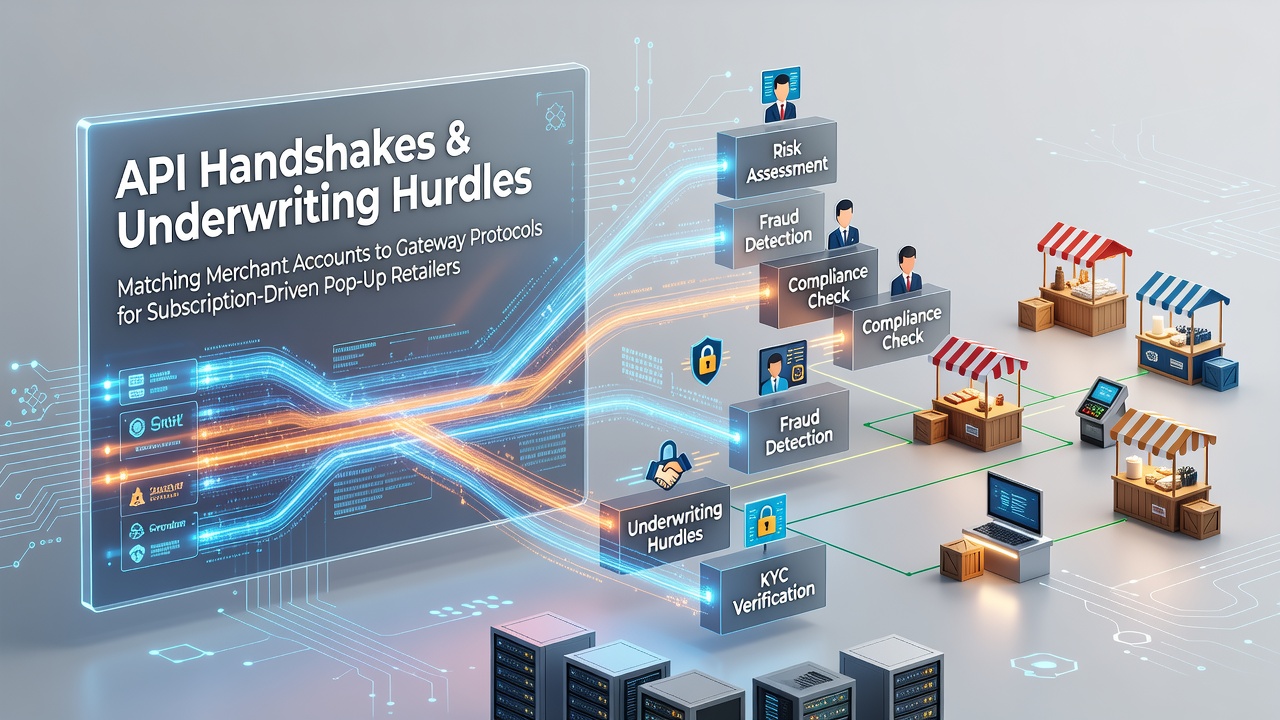
Pop-up retailers operating subscription models face specific technical and financial approval steps when linking merchant accounts to payment gateways, and these steps center on API handshakes that establish encrypted data exchanges along with underwriting reviews that assess business risk. Observers note that such retailers often operate from temporary locations while collecting recurring payments, which creates requirements for protocol compatibility and account verification that differ from fixed-location businesses.
API Handshakes Establish Secure Data Flows
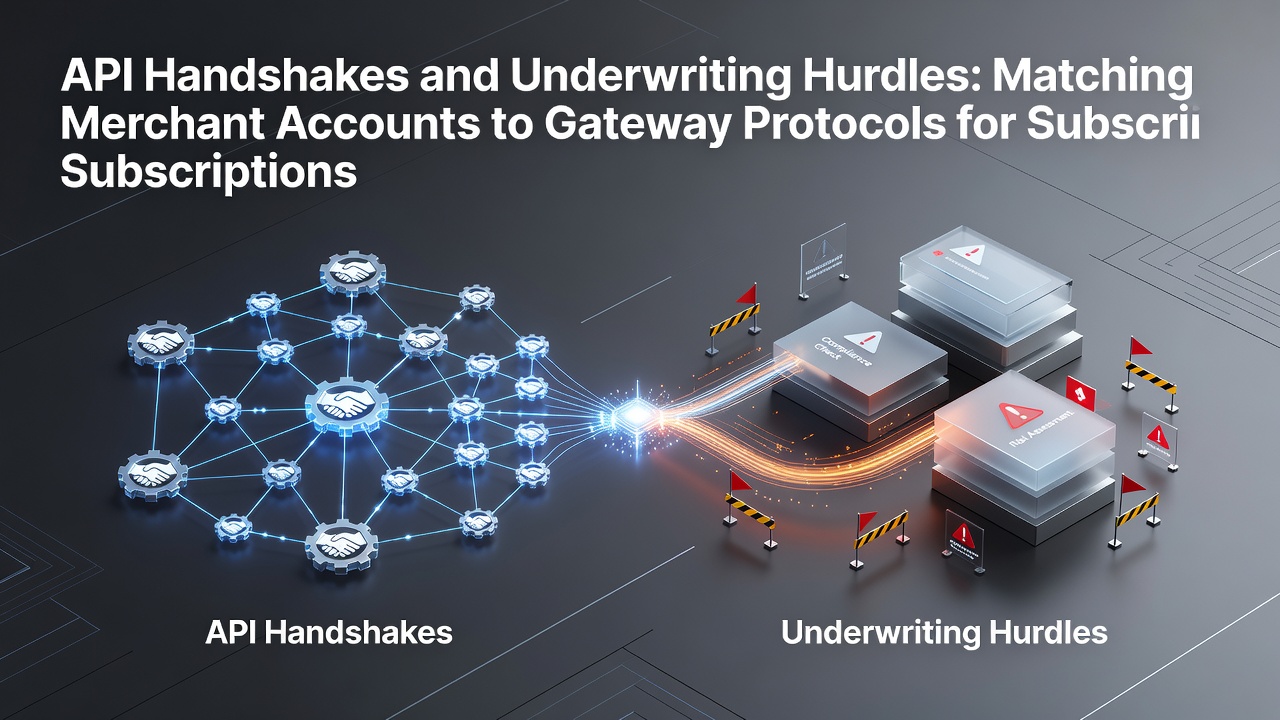
API handshakes begin with transport layer security negotiations that confirm encryption standards between a merchant's point-of-sale device and the gateway server, and these exchanges include certificate validation plus session key generation to protect recurring transaction details. Data indicates that pop-up operators using subscription billing rely on standardized protocols such as TLS 1.3 to complete these handshakes within milliseconds, while any mismatch in supported cipher suites can halt the connection before underwriting even begins. Researchers at payment processing firms have documented cases where subscription-driven vendors encountered repeated handshake failures due to outdated device firmware, leading to delays in account activation that extended beyond standard processing windows.
Gateway protocols further define the payload structure for subscription authorization requests, and these specifications cover recurring billing tokens along with customer consent flags that must align with the merchant account's approved categories. Experts have observed that pop-up retailers selling items like monthly produce boxes or service renewals must configure their APIs to transmit interval data accurately, since gateways reject requests that deviate from pre-approved formats during the initial verification phase.
Underwriting Reviews Evaluate Subscription Risk Profiles
Underwriting teams examine historical chargeback rates, business longevity projections, and revenue predictability when reviewing merchant applications from subscription-based pop-up operators, and they cross-reference these factors against industry benchmarks maintained by card networks. Figures from regulatory reports show that temporary retail setups often receive closer scrutiny because of variable foot traffic patterns, yet operators who demonstrate consistent recurring revenue streams through documented contracts tend to secure approvals more readily. In August 2026 several card issuers updated their risk scoring models to incorporate real-time location data from mobile terminals, which altered approval timelines for vendors moving between market sites.
Matching merchant account categories to gateway protocol requirements involves assigning merchant category codes that reflect subscription activities, and these codes determine the types of recurring payment messages a gateway will accept. Those who process applications report that mismatches between the assigned code and the intended subscription flow frequently trigger additional documentation requests, such as sample invoices or customer agreement templates, before final activation occurs.
Protocol Alignment Reduces Activation Delays
Successful alignment requires that the merchant account's underwriting parameters match the gateway's accepted authentication methods, including support for tokenized recurring charges and specific API endpoints designated for subscription management. Industry reports from the PCI Security Standards Council indicate that pop-up retailers achieve faster integration when they pre-configure their systems to meet both account stipulations and protocol versions before submitting applications. One documented case involved a mobile vendor network that synchronized its handheld terminals with gateway specifications in advance, resulting in approval within ten business days rather than the thirty-day average observed across similar submissions.
Regional variations appear in how oversight bodies approach these alignments, and the European Central Bank has published guidelines on secure recurring payment authentication that influence gateway configurations used by international pop-up operators. Vendors operating across borders often adjust their API parameters to satisfy multiple regional standards while maintaining a single merchant account profile, which adds layers to the underwriting checklist.
Practical Steps for Matching Accounts to Protocols
Retailers begin by reviewing gateway documentation for supported subscription endpoints, then map those endpoints against the merchant account application fields that request business type and transaction frequency details. Payment processors have compiled checklists that include verification of device certificates used during API handshakes, and these lists help identify potential protocol conflicts early in the process. Data from industry analyses reveal that pop-up subscription businesses that complete internal compatibility tests before formal submission experience fewer revision cycles during underwriting.
Tokenization plays a central role because gateways require unique tokens for each recurring customer relationship, and underwriting teams verify that the merchant account permits storage of such tokens under compliance frameworks. Observers note that temporary retail setups benefit from cloud-based token vaults that remain accessible regardless of physical location changes, provided the initial account approval encompasses this capability.
Conclusion
API handshakes and underwriting reviews together determine whether subscription-driven pop-up retailers can activate merchant accounts that function reliably with chosen gateways, and alignment of protocol specifications with account parameters remains essential for operational continuity. Organizations that address both the technical handshake requirements and the risk evaluation criteria in coordinated fashion tend to complete the process with fewer interruptions, while ongoing updates to security standards continue to shape the procedures applied in this segment of retail payments.