Booth Operators Face Encryption Shifts When Adding Automated Collection Features to Portable Readers
Morgan Brooks · Aug 22, 2026
Booth Operators Face Encryption Shifts When Adding Automated Collection Features to Portable Readers
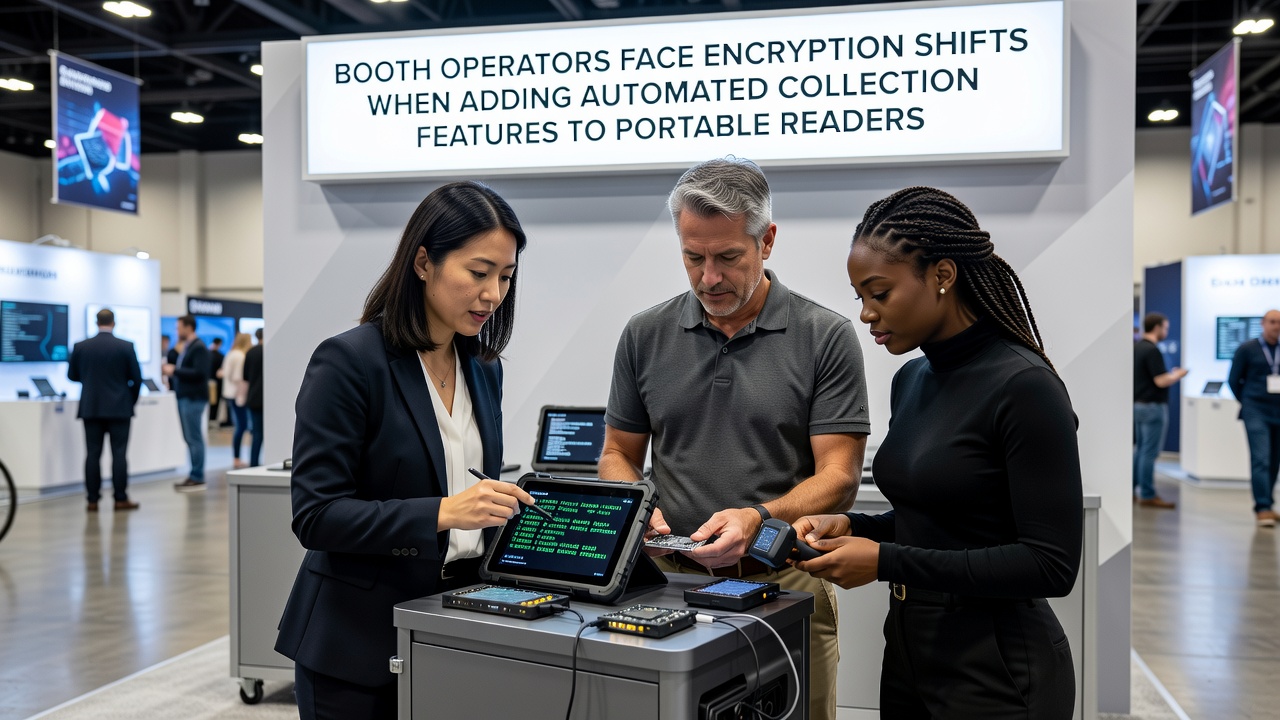
Booth operators at markets, fairs, and festivals encounter new encryption protocols as they integrate automated collection features into their portable card readers, and these adjustments align with evolving data protection standards that govern recurring transaction processing. Operators who once relied on basic swipe or tap functions now route scheduled payments through the same handheld devices, which requires updates to how sensitive cardholder data gets encrypted during storage and transmission. Research from the PCI Security Standards Council shows that portable readers handling automated collections must adopt stronger key management practices to prevent exposure during batch processing cycles. Data indicates many devices previously configured for one-time charges now demand dynamic encryption keys that rotate at set intervals, a shift driven by the need to secure repeated authorization requests without manual intervention each time.Core Technical Adjustments for Automated Features
Portable readers integrate subscription-style billing through API connections that trigger charges on predetermined dates, yet this capability introduces additional layers of encryption because card details remain stored in tokenized form on the device or linked cloud service. Operators must configure their equipment to support end-to-end encryption that covers both the initial setup and every subsequent automated pull, according to guidelines published by the EMVCo consortium. Those who've studied device firmware updates note that older readers often require hardware upgrades or software patches before automated collection modules activate, since legacy encryption algorithms fall short of current benchmarks for recurring data flows. Figures from industry reports reveal that devices lacking these updates experience authorization failures when attempting to process second or third scheduled transactions.Regulatory Timeline and August 2026 Milestones
Standards bodies have outlined phased implementation dates that affect booth operators preparing for automated features, with several jurisdictions aligning their expectations around August 2026 for full compliance with updated encryption specifications. Canadian regulatory updates from the Office of the Superintendent of Financial Institutions emphasize that any portable reader used for recurring collections after this point must demonstrate verifiable key rotation logs during audits. Australian authorities through the Australian Payments Network have issued parallel guidance that ties automated collection capabilities to mandatory use of authenticated encryption methods, reducing risks associated with static keys that remain unchanged across multiple billing cycles. Observers tracking these timelines report that operators who delay firmware changes risk transaction declines once the August 2026 thresholds take effect.