Assistance Channels Accelerating Merchant Onboarding Processes During Advances in Fraud Prevention for Subscription-Based Mobile Payments
Rafael Otto · Jun 9, 2026
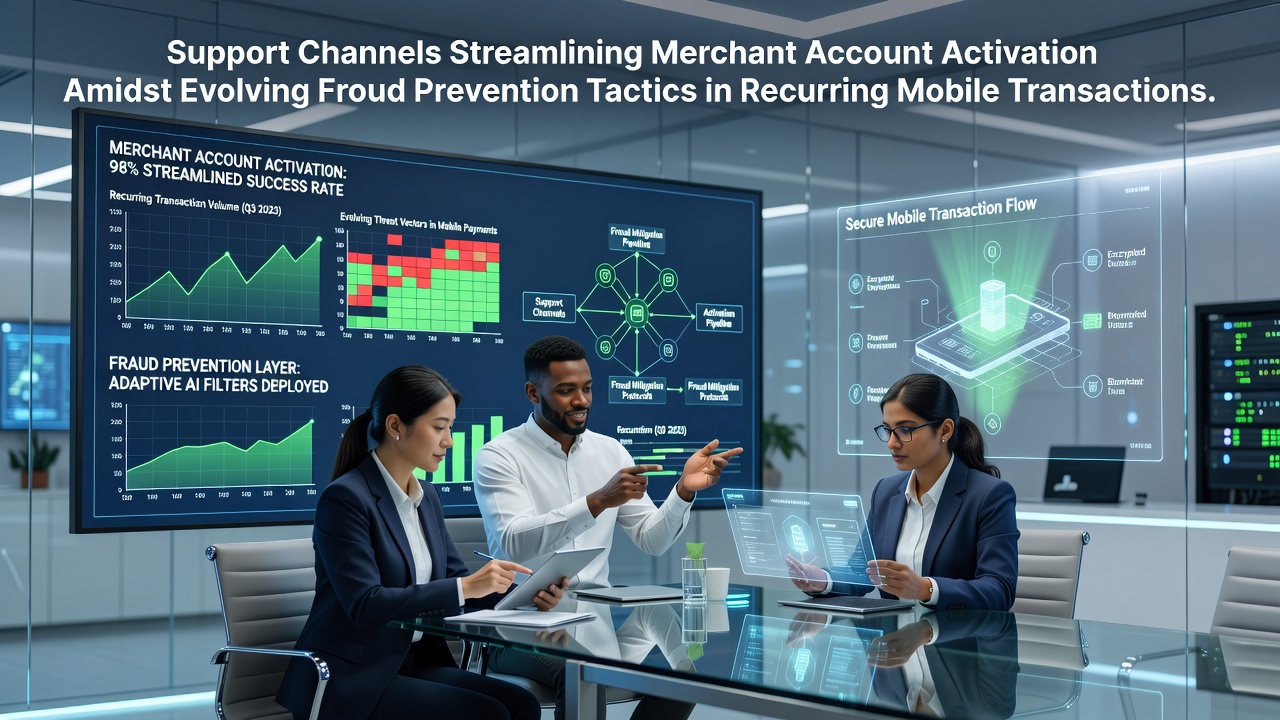
Assistance Channels Accelerating Merchant Onboarding Processes During Advances in Fraud Prevention for Subscription-Based Mobile Payments
Merchants seeking to activate accounts for recurring mobile transactions often encounter layered verification steps that balance speed with security requirements, and support channels play a central role in guiding applicants through these procedures while fraud prevention methods continue to adapt. Research from industry reports shows that structured assistance reduces activation timelines by addressing documentation gaps and compliance queries in real time, particularly as mobile point-of-sale systems handle subscription models across varied vendor networks.
Current Dynamics in Merchant Account Activation
Account activation for recurring transactions involves multiple checkpoints including identity verification, business legitimacy checks, and integration with gateway protocols, while support teams provide direct navigation through these elements. Data indicates that applicants using dedicated assistance routes complete setups faster because representatives clarify evolving standards around data encryption and transaction monitoring. Those who've studied activation patterns note that mobile-specific recurring payments add complexity due to device variability and location-based authorization needs, yet coordinated support mitigates delays by connecting merchants with compliance specialists promptly.
Integration of Support with Fraud Prevention Evolution
Fraud prevention tactics in recurring mobile transactions have shifted toward behavioral analytics and real-time anomaly detection, which support channels incorporate into activation guidance to prepare merchants for ongoing monitoring obligations. According to figures from the Federal Reserve, mobile subscription fraud incidents rose steadily through 2025, prompting updated verification layers that assistance providers explain during onboarding. Observers note that support interactions often include walkthroughs of new detection algorithms, ensuring merchants understand how their transaction patterns will be evaluated post-activation, and this preparation helps align initial setups with June 2026 regulatory updates expected to emphasize enhanced tokenization across portable devices.
Regional Variations and Assistance Effectiveness
Activation support operates differently across regions, with European frameworks under the European Banking Authority requiring detailed risk assessments that assistance teams help interpret for mobile vendors, whereas North American processes lean on PCI standards supplemented by local banking guidelines. A study released by researchers at the University of Toronto highlights how Canadian support networks streamline approvals for recurring mobile payments by linking applicants to regional compliance databases early in the process. What's interesting is that these geographic differences create opportunities for cross-border assistance models, where shared knowledge bases allow teams to address both local and international fraud signals during account reviews.
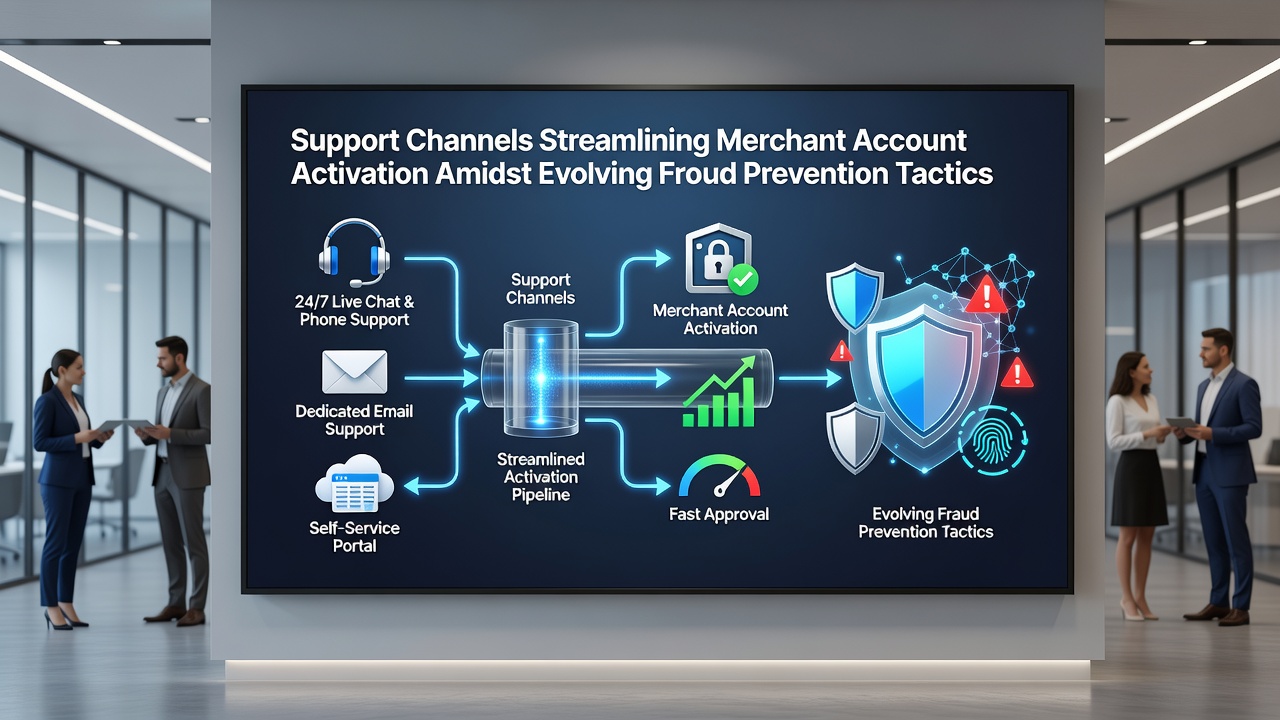
Support channels also facilitate testing phases where merchants simulate recurring charges on mobile terminals, allowing teams to flag potential issues before full activation and adjust fraud thresholds accordingly. Evidence suggests this hands-on approach cuts down on post-setup disputes because applicants receive tailored advice on authorization flows specific to subscription billing cycles. Those monitoring industry trends report that assistance becomes especially valuable when new fraud tactics emerge, such as synthetic identity schemes targeting mobile recurring streams, since representatives can relay updates directly from gateway providers.
Case Examples from Independent Operators
Take one group of local vendors who integrated support-assisted activation for their mobile subscription services in early 2025, resulting in accounts live within two weeks instead of the typical month-long wait, as teams coordinated document submissions with fraud screening protocols. Another instance involved a network of portable device operators who used multilingual support to navigate activation under updated data protection rules, ensuring their recurring transaction setups met both device security and authorization pathway standards without repeated revisions. These examples illustrate how assistance routes adapt to merchant scale, from single-device setups to larger fleets handling high-volume mobile subscriptions.
Technical Support Elements in Practice
Technical assistance during activation covers API integrations for mobile gateways, where support specialists guide configuration of recurring billing parameters alongside fraud alert systems. Researchers have found that merchants receiving step-by-step protocol assistance experience fewer integration errors, which in turn supports smoother fraud monitoring once transactions begin flowing. And since June 2026 approaches with anticipated enhancements to cross-device authentication standards, support channels are already incorporating previews of these changes into activation consultations to prepare applicants ahead of time.
Conclusion
Support channels continue to streamline merchant account activation by bridging documentation requirements with advancing fraud prevention needs in recurring mobile transactions, drawing on data from regulatory bodies and academic sources to inform practical guidance. As tactics evolve through 2026 and beyond, these assistance mechanisms help maintain activation efficiency while aligning setups with security expectations across diverse operational contexts.