Artisan Market Leaders Tackling Data Security Standards When Connecting Portable Readers to Recurring Loyalty Initiatives
Theo Powell · Aug 18, 2026
Artisan Market Leaders Tackling Data Security Standards When Connecting Portable Readers to Recurring Loyalty Initiatives
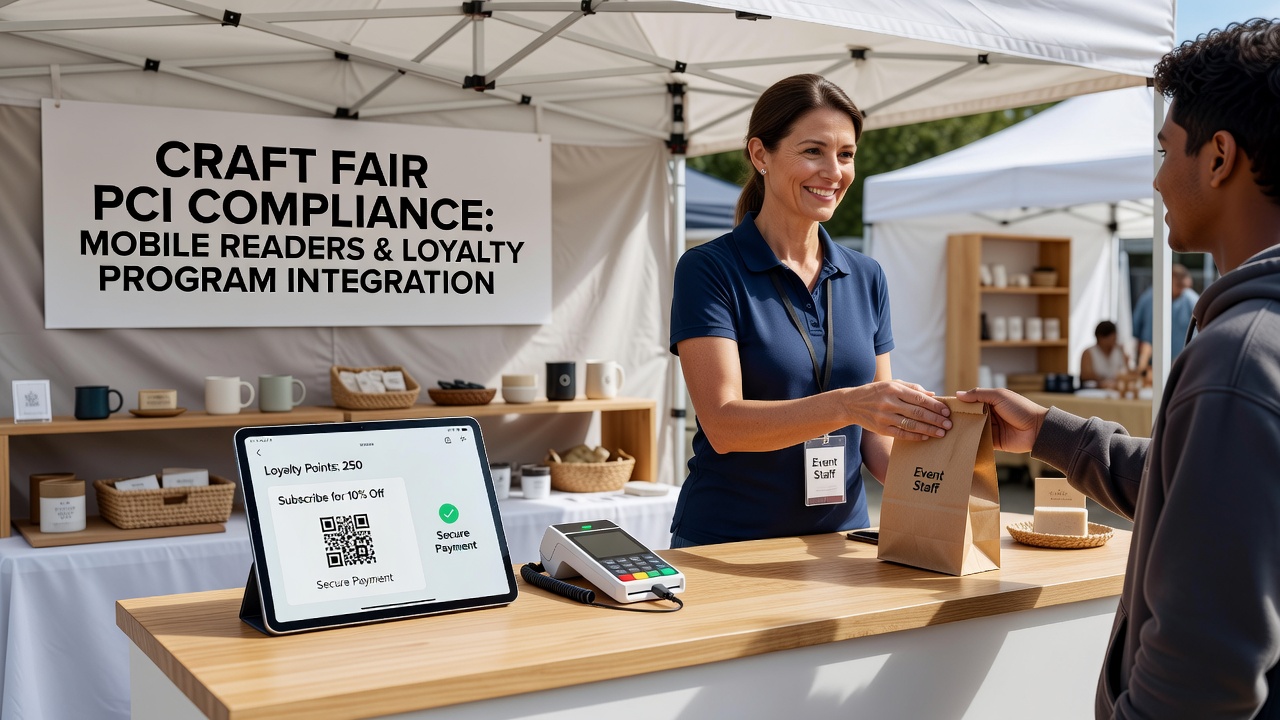
Artisan market leaders focus on aligning portable card readers with subscription-based loyalty programs through structured compliance processes that address payment card industry standards at every connection point, and they coordinate these efforts with software providers who specialize in recurring transaction frameworks. Operators review device certifications first because certified readers reduce exposure during data transmission, while loyalty platforms must segment customer information to avoid commingling payment details with marketing records. In August 2026 many markets reported increased adoption of tokenized connections that replace full card numbers with unique identifiers, and this shift supports ongoing compliance without interrupting vendor workflows.
Core Compliance Components for Mobile Integration
Operators examine network segmentation requirements because mobile readers transmit data across public wireless connections at event sites, and they verify that loyalty program APIs encrypt cardholder data both in transit and at rest according to established protocols. Research from the PCI Security Standards Council indicates that segmentation failures account for a significant portion of assessment findings in mobile environments, so coordinators implement isolated virtual networks for payment traffic while routing loyalty queries through separate channels. Those who manage multiple vendor booths often deploy centralized dashboards that log access attempts and flag anomalies in real time, which allows quick isolation of any device showing irregular patterns during busy market hours.
Vendors receive training on recognizing phishing attempts that target loyalty signup links, and they practice secure key entry procedures on handheld devices to prevent shoulder surfing at crowded stalls. Data shows that markets scheduling quarterly compliance refreshers experience fewer interruptions during peak seasons, and coordinators track completion rates through digital checklists tied to booth assignments. External assessors conduct spot audits at larger events to confirm that reader firmware remains current and that subscription renewal prompts do not store sensitive authentication elements locally on the device.
Practical Steps During Event Setup
Market organizers begin by mapping data flows from each reader to the loyalty platform, identifying every endpoint where card details might be processed or stored temporarily, and they require vendors to demonstrate successful test transactions under simulated load conditions before opening gates. Coordinators also establish incident response contacts with both payment processors and loyalty software vendors so that any suspected breach triggers coordinated containment steps within minutes rather than hours. Figures from industry reports reveal that events with pre-approved device lists reduce setup time by nearly thirty percent compared with ad-hoc configurations, because pre-vetted equipment already meets the necessary encryption benchmarks.
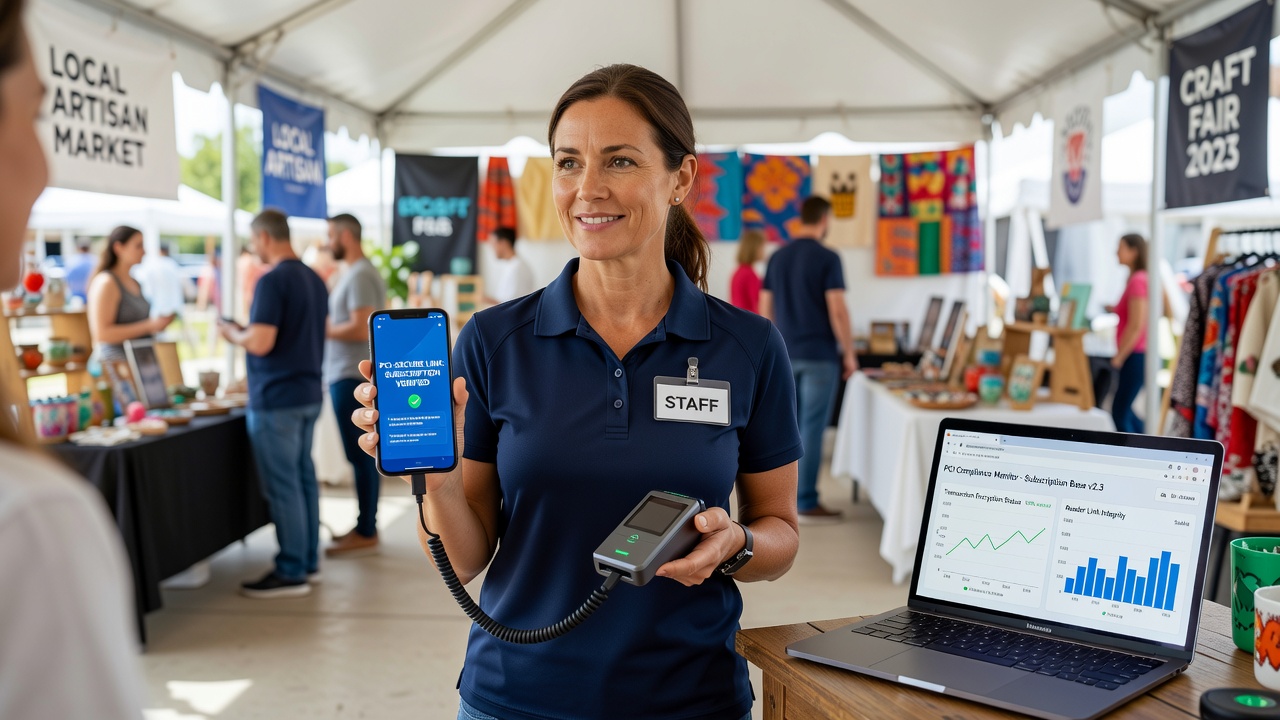
Operators maintain detailed inventories of all readers in use, noting serial numbers, firmware versions, and assigned network credentials, and they cross-reference these records against approved vendor lists supplied by acquiring banks. Subscription modules undergo separate validation to confirm they never request full primary account numbers during enrollment, relying instead on hosted payment fields that keep sensitive data off the local network. Markets in regions following additional privacy regulations coordinate these steps with local data protection offices to ensure loyalty profiles comply with consent management rules that differ from pure payment standards.
Ongoing Monitoring and Vendor Support
Continuous monitoring tools scan for unauthorized access attempts throughout operating hours, and alerts route directly to both the market security team and the technical support contacts at the loyalty platform provider. Observers note that markets incorporating automated firmware update checks into daily startup routines encounter fewer compatibility issues when new reader models enter circulation. Training materials distributed to vendors emphasize the importance of never sharing device credentials across multiple booths, because shared logins complicate audit trails and increase the scope of any potential investigation.
Coordinators also review processor statements monthly to verify that transaction volumes align with declared loyalty program activity, and discrepancies trigger immediate device inspections. According to guidance from the Federal Trade Commission, clear documentation of data handling practices helps markets demonstrate accountability during external reviews, and many operators now store these records in encrypted cloud repositories accessible only to designated compliance personnel. Markets that rotate encryption keys on a fixed schedule report smoother transitions when upgrading loyalty platform integrations, because key management procedures remain consistent across events.
Conclusion
Artisan market operations continue to evolve their approaches to mobile reader and loyalty program connections by embedding compliance checks into every stage of planning and execution, and they rely on documented procedures, certified equipment, and coordinated vendor support to maintain alignment with payment security expectations. These practices allow recurring loyalty features to operate alongside portable payment hardware without introducing unnecessary risk at public gatherings.